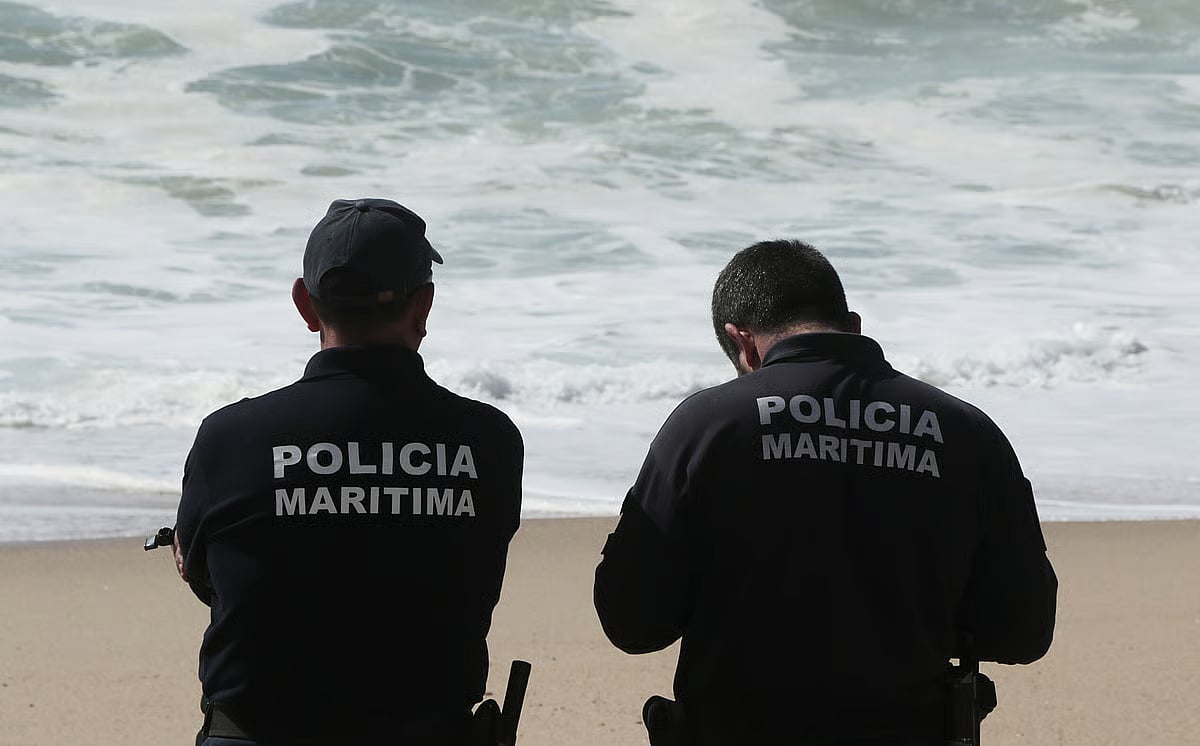
Eight vessels, some associated with the illegal harvesting of Japanese clams in the Tagus River, were seized during an inspection operation carried out overnight, the Maritime Police (PM) reported on Thursday, April 16. In a statement, the PM announced that during the inspection in the Tagus estuary, aimed at combating illegal Japanese clam harvesting, several irregularities were detected, including a lack of vessel and engine registration, and fishing gear used for illegal harvesting was also seized. The Maritime Police emphasized its commitment to combating this phenomenon, which threatens the sustainability of natural resources and poses a public health risk due to the introduction of products into the market without sanitary control and prohibited by law. The operation involved naval and land assets, mobilizing various operational units of the Maritime Police.
Eight vessels seized in operation against illegal clam harvesting in the Tagus
Thursday, 16 April 2026RSS
Context & Explainers
Sustainability (sustentabilidade) means meeting present needs without reducing the ability of future generations to meet theirs, covering environmental, economic and social dimensions. For residents it affects local planning, jobs and services—look for municipal or company targets, timelines and measurable actions when assessing how sustainable a place or employer is.