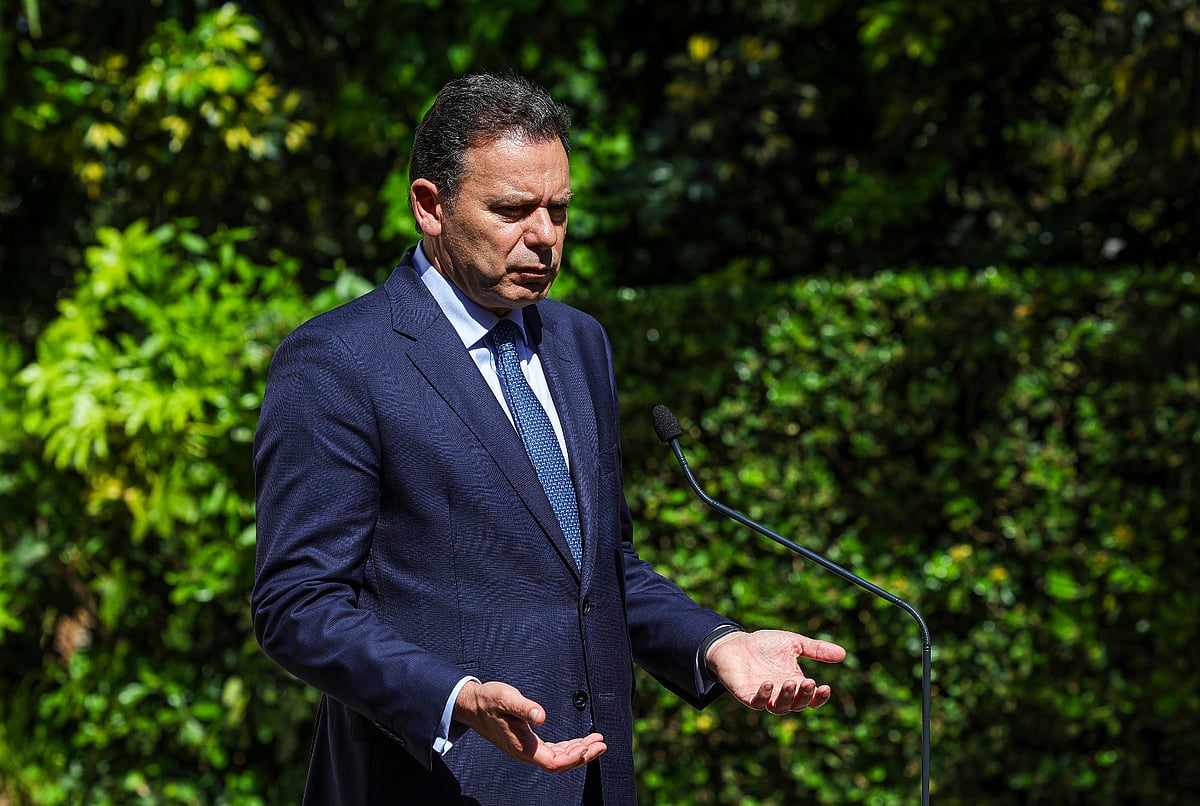
Lusa and RTP workers are protesting against recent statutory changes and a lack of government transparency, fearing political interference and uncertainty regarding the potential consolidation of the two media entities.
Lusa workers protest against “risks of political interference”, Government does not yield
Wednesday, 11 March 2026RSS

Context & Explainers

RTP (Rádio e Televisão de Portugal) is Portugal's public service broadcaster, operating television channels (RTP1, RTP2, RTP3, RTP Memória, RTP Internacional, RTP África), radio stations (Antena 1, Antena 2, Antena 3, RDP Internacional, RDP África), and the RTP Play streaming platform.
Founded in 1955 (television) and 1935 (radio, as Emissora Nacional), RTP is funded through a monthly audiovisual contribution (Contribuição para o Audiovisual, CAV) included in electricity bills, plus limited advertising revenue. It operates under a public service concession that mandates news independence, cultural programming, and coverage for Portuguese-speaking communities worldwide.
RTP plays a central role in Portuguese public life — it hosts the main political debates during elections, produces news programming, and broadcasts major national events. Its editorial independence and funding model are recurring subjects of political debate, with some parties advocating for privatization or restructuring of the public broadcaster.
The government is amending the statutes of Lusa, Portugal's national news agency, to make the organization more professional and less influenced by political shifts. It is the primary source for breaking news and official reports, providing content to media outlets across the country. Those following local news should note that Lusa is often the first to report on government announcements and legislative changes.
AI Summary AvailableRTP and Lusa workers protest lack of government transparencyRead the synthesized summary with context and explainers
View full article on expresso.ptRSS source
Other news coverage of this topic
- RTP and Lusa workers concerned about the future point to lack of transparency from the Government • RTP Notícias
- RTP and Lusa employees concerned about the Government's lack of transparency • Público
- RTP and Lusa employees concerned about the future • Observador
- Worried about the future, RTP and Lusa workers point to a lack of transparency from the Government • CNN Portugal