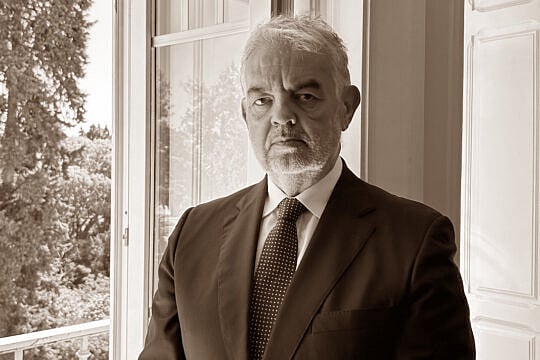
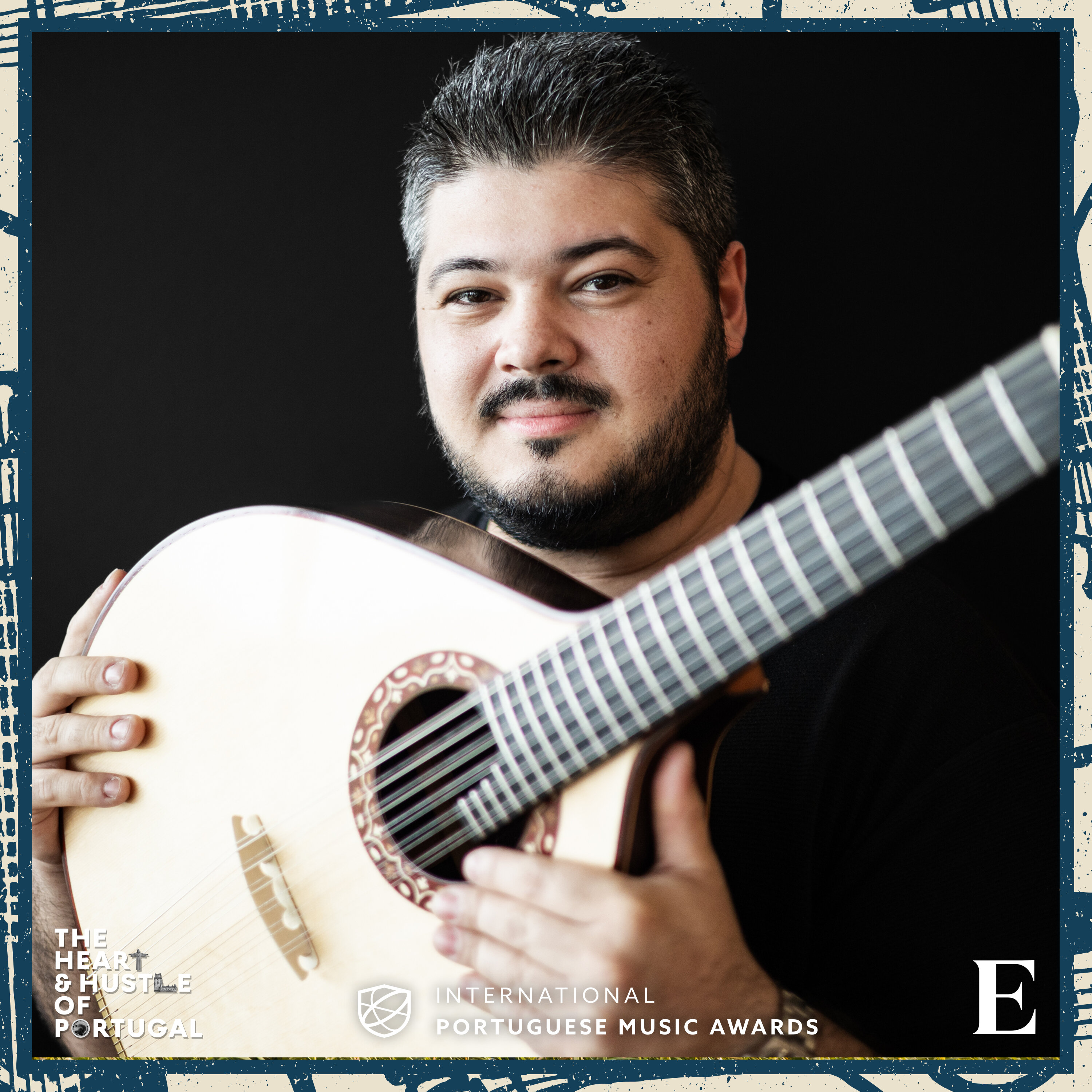
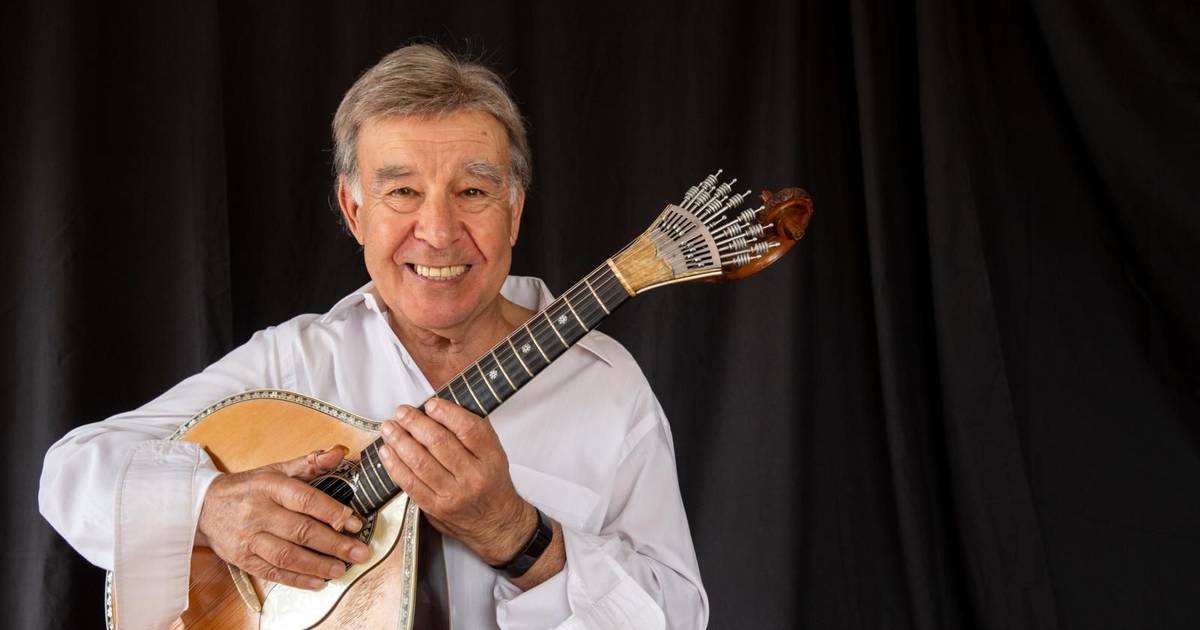
He was one of the foremost names in the national art of Portuguese guitar playing, a musician and creator who embraced the noble instrument of fado from childhood. He forged an international career, bringing the Portuguese guitar into dialogue with other cultures — from India to Brazil and Africa — presenting it with solo dignity at the head of some of the world’s leading orchestras and alongside celebrated voices such as Carlos do Carmo and Gal Costa. His greatest achievement? 'I think I helped to liberate the guitar.'
António Chainho (1938-2026): the man who helped liberate the Portuguese guitar and took it to every corner of the world
Tuesday, 27 January 2026RSS
Context & Explainers
Fado is a traditional Portuguese music genre characterized by melancholic singing and themes of longing and fate, with distinct Lisbon and Coimbra styles; it was inscribed on UNESCO's Intangible Cultural Heritage list in 2011. For expats, fado is both a living cultural tradition and a common tourist experience — attending a small fado house in Lisbon or Coimbra offers insight into Portuguese history, language and social life.