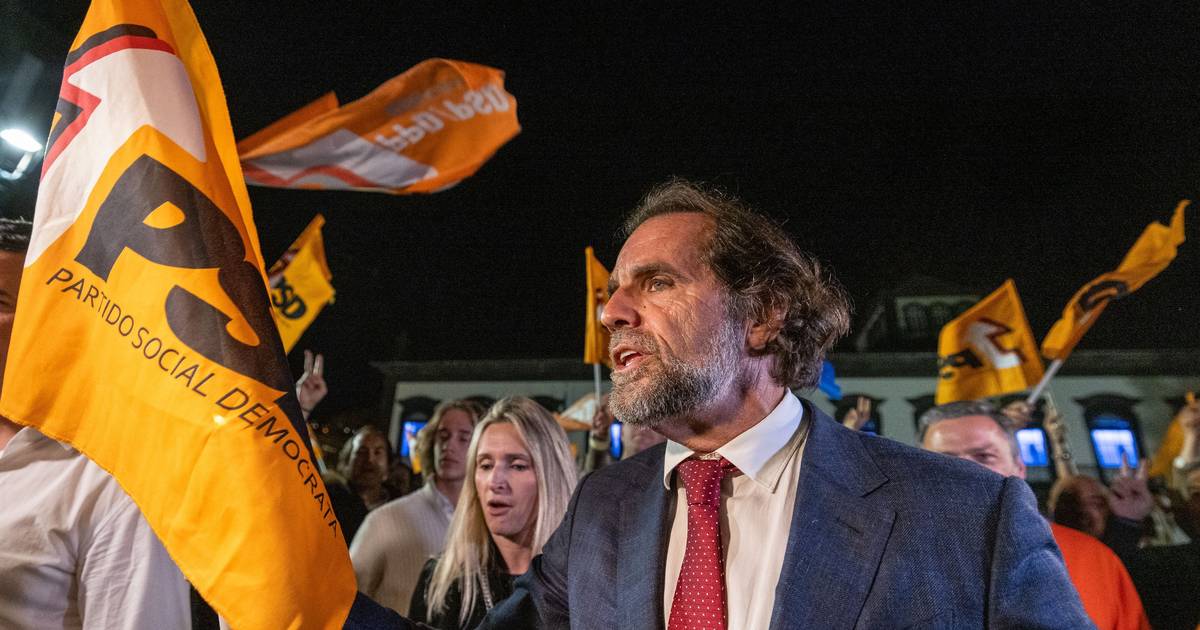
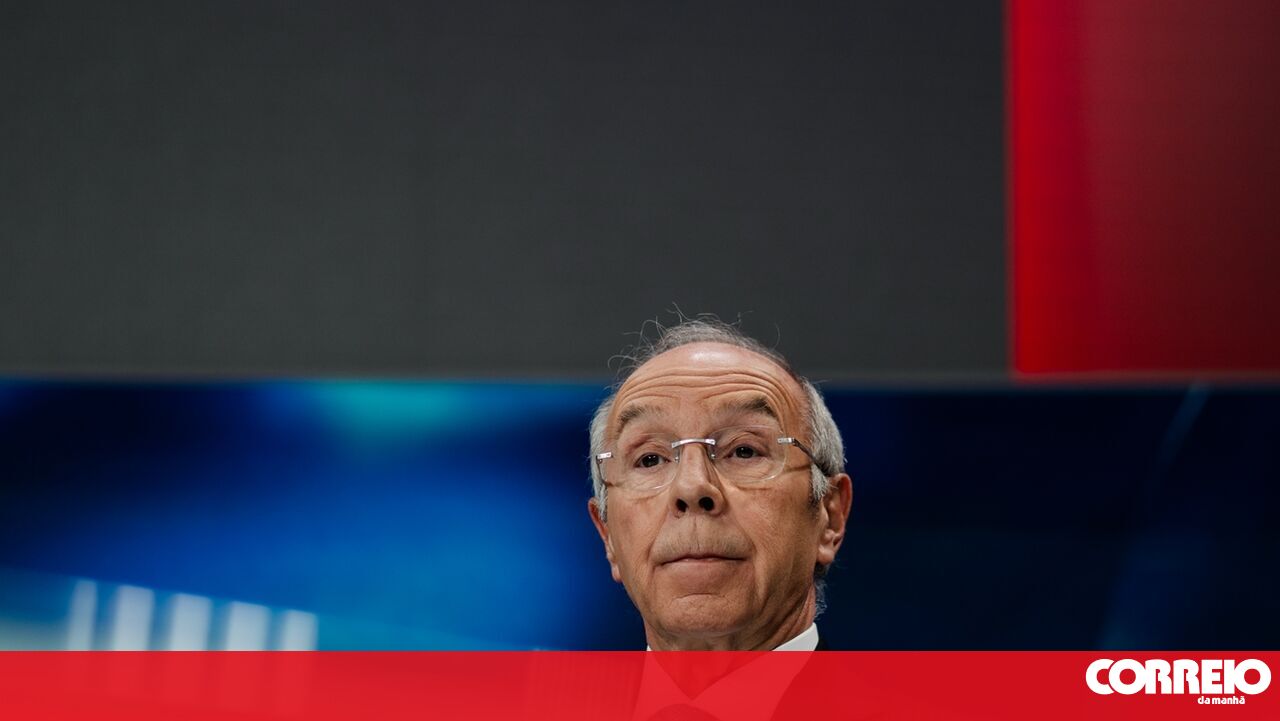
The candidate backed by PSD and CDS–PP appeared to distance himself from the style of Marcelo Rebelo de Sousa.
Marques Mendes argues for an 'interventionist' President, but one who speaks 'less' and acts 'more effectively'
Saturday, 10 January 2026RSS
Context & Explainers
Nuno Melo is the president of CDS-PP (Centro Democrático e Social – Partido Popular), a Christian democratic party in Portugal. In the story he linked Chega's position to socialism, compared André Ventura to Donald Trump, and urged party members to vote 'in conscience' in the presidential runoff on the 8th, a stance that could affect centre‑right voters.
Paulo Portas is a Portuguese politician and the former leader of the CDS–PP (Centro Democrático e Social – Partido Popular). He often appears in media commentary—according to the story he used his weekly TVI slot to announce he will vote for António José Seguro in the presidential run-off.
The CDS–PP is the Democratic and Social Centre – People's Party (Centro Democrático e Social – Partido Popular), a small centre-right, Christian-democratic party founded in 1974. It often partners with the larger PSD in parliament; in February 2026 it voted with the PSD and IL to approve a housing package, so its parliamentary support can influence housing and other policy outcomes.

The Social Democratic Party ('Partido Social Democrata' or 'PSD') is a liberal-conservative political party in Portugal that is the leading partner of the The Democratic Alliance (AD) which is the country's ruling party, with Prime Minister Luís Montenegro.
The Social Democratic Party, despite its name, occupies the centre-right of Portugal's political spectrum. Luís Montenegro, who became Prime Minister in April 2024, leads Portugal's current minority government. The PSD has been one of Portugal's two dominant parties since 1974, having formed nine governments including four with absolute majorities. Montenegro, a former party leader from 1996-1999, was elected with the highest approval rating among party leaders at 10.7 points out of 20.
The Democratic Alliance is a centre-right coalition that includes the smaller CDS – People's Party, a Christian democratic party that has historically been the PSD's coalition partner. Together, they govern without a parliamentary majority, requiring case-by-case support from opposition parties to pass legislation.