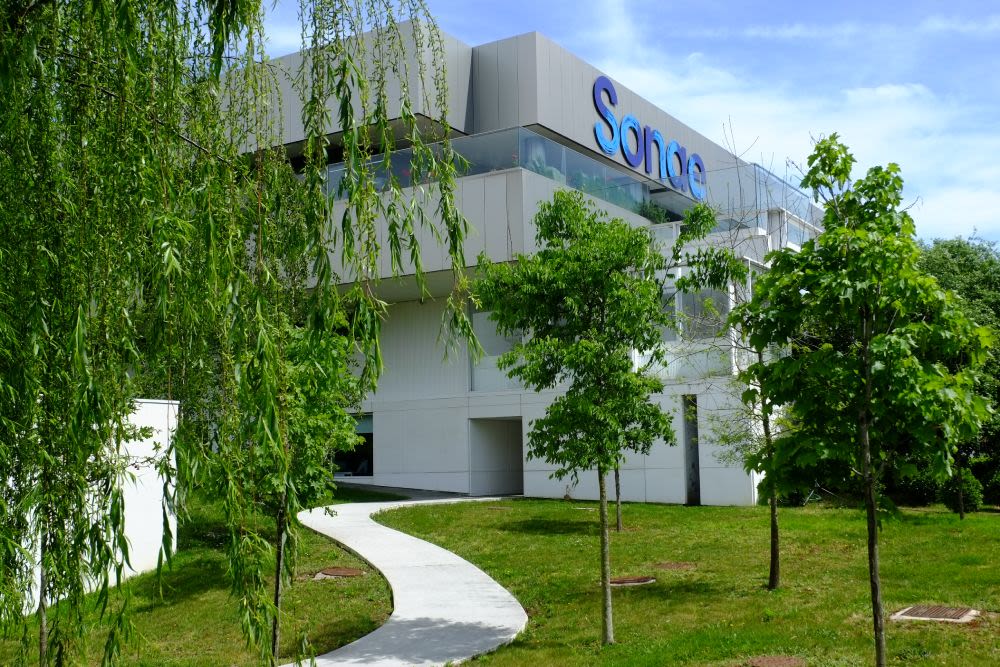
In 2025, the Sonae Group reached a turnover of 259 million euros in circular products and services, marking a 178% increase compared to 93 million in 2023 and 36% over 2024, when the figure was around 190 million euros. This growth highlights Sonae's commitment to the circular economy through innovative business models that promote sustainability, the group noted in a statement released this Wednesday, the 22nd. Eduardo Piedade, Chief Development Officer at Sonae, highlights in the document that sustainability is deeply integrated into the group's strategy, being a natural extension of its values and legacy. He further emphasizes that the results achieved through investment in the circular economy reinforce the relevance of this commitment and renew the group's pledge to continue exploring its full potential. Key initiatives include the repair and reuse of electronic equipment and the recovery of raw materials, which intensify the circularity of Sonae's operations, generating positive environmental, economic, and social impacts. Through brands such as MC, Worten, iServices, and BCF Life Sciences, Sonae combines central guidance with local execution across the entire value chain. Simultaneously, the group continues to develop initiatives to minimize waste impacts through packaging ecodesign, waste reduction, and material recovery. According to the document, Sonae improved waste recovery, with the recovery rate reaching 86%, 13 percentage points higher than in 2024, with a focus on reducing food waste. Regarding packaging, Sonae implemented ecodesign principles to reduce material consumption and increase recyclability, reaching 92% in plastic packaging last year. Sonae's profit grew 11% to 247 million euros in 2025.
Sonae boosts circular economy with 36% growth to 259 million in 2025
Wednesday, 22 April 2026RSS
Context & Explainers
Sustainability (sustentabilidade) means meeting present needs without reducing the ability of future generations to meet theirs, covering environmental, economic and social dimensions. For residents it affects local planning, jobs and services—look for municipal or company targets, timelines and measurable actions when assessing how sustainable a place or employer is.