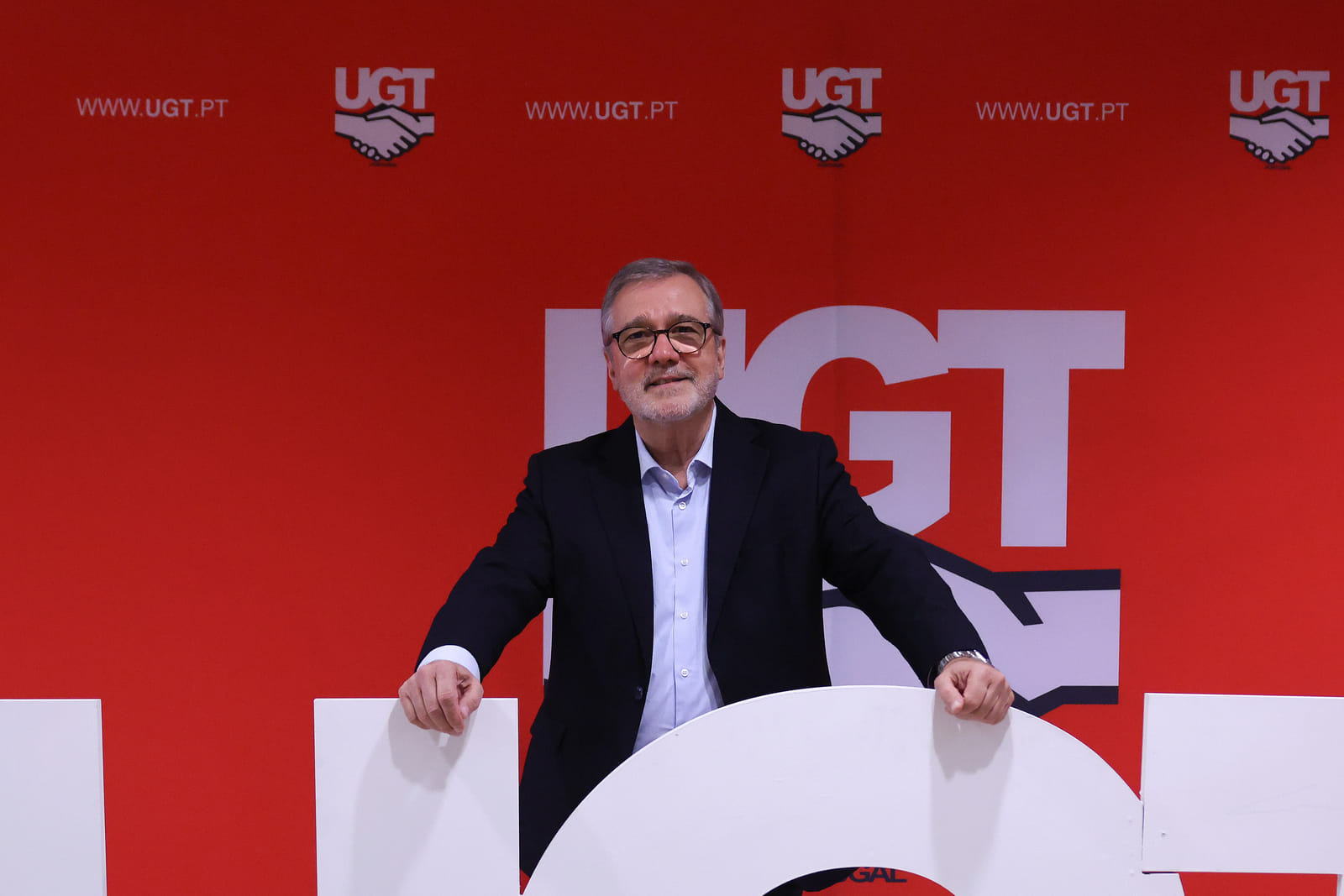
The national secretariat of the UGT trade union rejected the Government's current proposal to amend labour legislation this Thursday, 9 April, and has called for negotiations to continue. The union's governing body stated that the proposal does not yet allow for a consensus to be reached. Led by Mário Mourão, the union emphasised that this position will be presented at the Standing Committee for Social Concertation. The UGT continues to advocate for fairer, more inclusive labour laws that strengthen collective bargaining and trade unions.
UGT rejects proposal to revise labour law
Thursday, 9 April 2026RSS
Context & Explainers
Segurança Social is Portugal's public social security system, responsible for administering pensions, unemployment benefits, sickness pay, parental leave, family allowances, and other social support payments. It is funded through mandatory contributions from employers and employees.
Most services are managed online through Segurança Social Direta (SSD), where users can check contribution records, apply for benefits, submit declarations, and track payments using their NISS (Social Security Identification Number) and Citizen Card credentials.
Key interactions for residents include registering as a contributor (mandatory for all workers), claiming unemployment benefits, applying for parental leave, and accessing the minimum income scheme (Rendimento Social de Inserção). Self-employed workers (trabalhadores independentes) must also make quarterly income declarations through the platform.

The General Union of Workers (UGT – União Geral de Trabalhadores) is one of Portugal’s two main national trade union confederations. Founded in Lisbon on 28 October 1978, it was created as a social‑democratic alternative to the more communist‑aligned CGTP after the 1974 Revolution, grouping unions close to the Socialist Party and moderate centre‑right currents.
UGT represents around 400,000 workers and is affiliated to the European Trade Union Confederation and International Trade Union Confederation, giving Portuguese labour a voice at EU and global level. Its principles stress union independence from the state, employers, churches and parties, internal democracy and active worker participation.
Historically, UGT’s hallmark has been “propositive” social dialogue: it is usually more willing than CGTP to sign tripartite agreements on wages, labour law and social policy with governments and employers, shaping minimum wage increases, working‑time rules and social protection reforms. This makes UGT a key centrist actor in Portugal’s industrial relations, often mediating between left and right while defending collective bargaining and incremental improvements to labour rights.