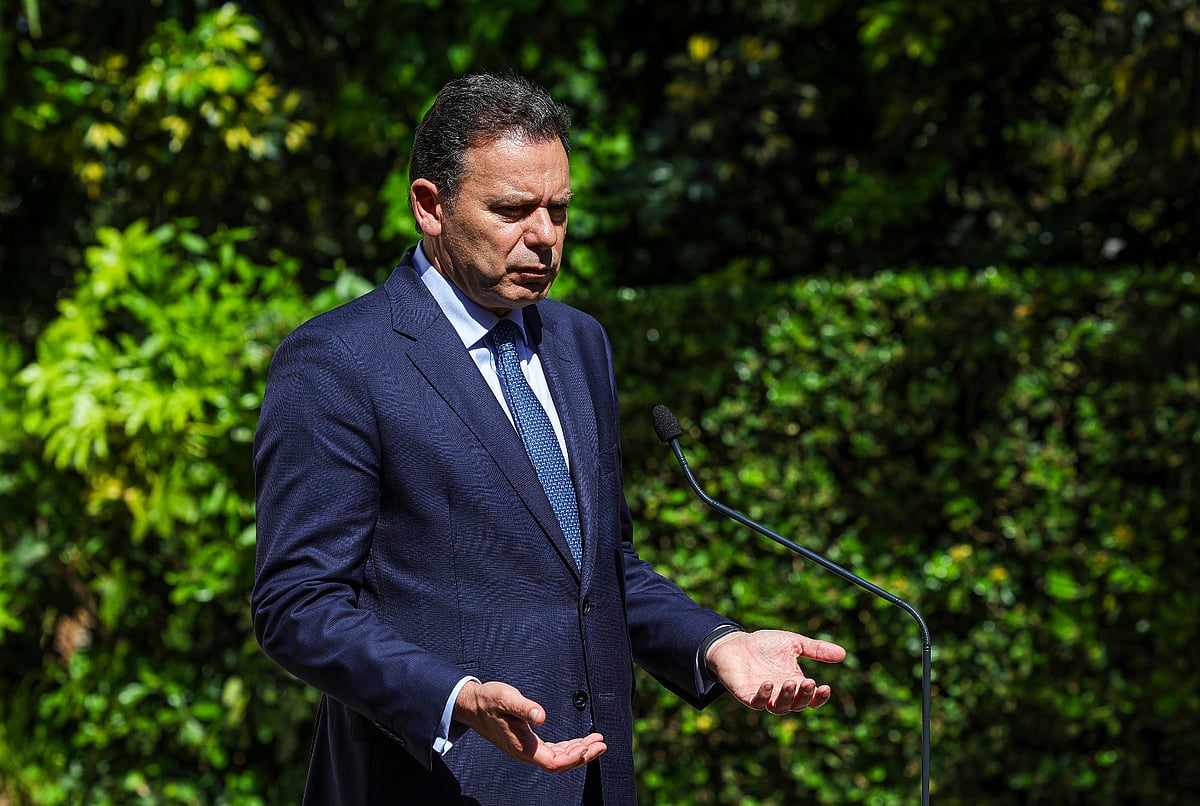
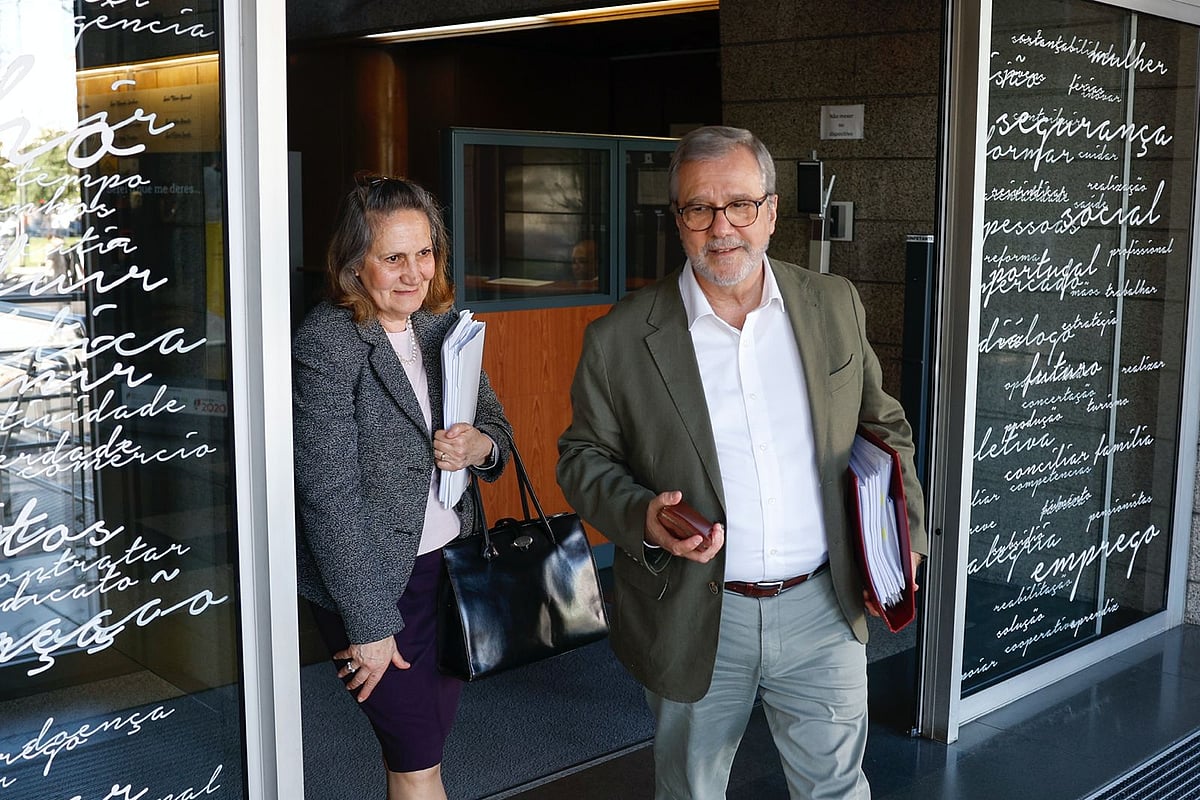
The article reports that the General Confederation of Portuguese Workers (CGTP) is justified in advocating for workers' rights by visiting the Ministry of Labour, especially as the government’s proposed labor reforms have been widely rejected by protests, strikes, and public demonstrations. The Secretary-General of the Portuguese Communist Party (PCP), Paulo Raimundo, supports this stance, criticizing the government for excluding CGTP from negotiations and accusing it of favoritism towards employers, increasing precariousness, and weakening workers' protections. Raimundo emphasizes the need for stronger labor rights, higher wages, and better living conditions, condemning the government’s approach as cowardly and urging for firm action to improve workers’ lives.
CGTP "faz bem" em ir ao ministério "reivindicar em nome dos trabalhadores" - Líder do PCP

Context & Explainers

The General Confederation of the Portuguese Workers (CGTP – Confederação Geral dos Trabalhadores Portugueses) is Portugal’s largest trade-union confederation, grouping most unions in manufacturing, public services and many other sectors.
Founded clandestinely in 1970 as “Intersindical” under the dictatorship, it emerged publicly after the 1974 Carnation Revolution and was legalised in 1975. It has been central to virtually all major labour struggles since then, from defending collective bargaining and the 40‑hour week to leading general strikes against austerity and labour‑law rollbacks.
CGTP is historically close to the Portuguese Communist Party and has a class‑struggle, anti‑neoliberal profile, strongly critical of EU and government policies seen as undermining workers’ rights. It favours grassroots mobilisation and strikes over compromise, often refusing national social‑pact deals that the more centrist UGT is willing to sign.
In today’s Portugal, CGTP remains a key actor in wage bargaining, labour‑law debates and national protests; together with UGT it called the first joint general strike in years in December 2025, signalling its continuing capacity to organise mass action.