The Lisboeta

What the President of the Republic is (and what they should be)

Friday, 9 January 2026RSS
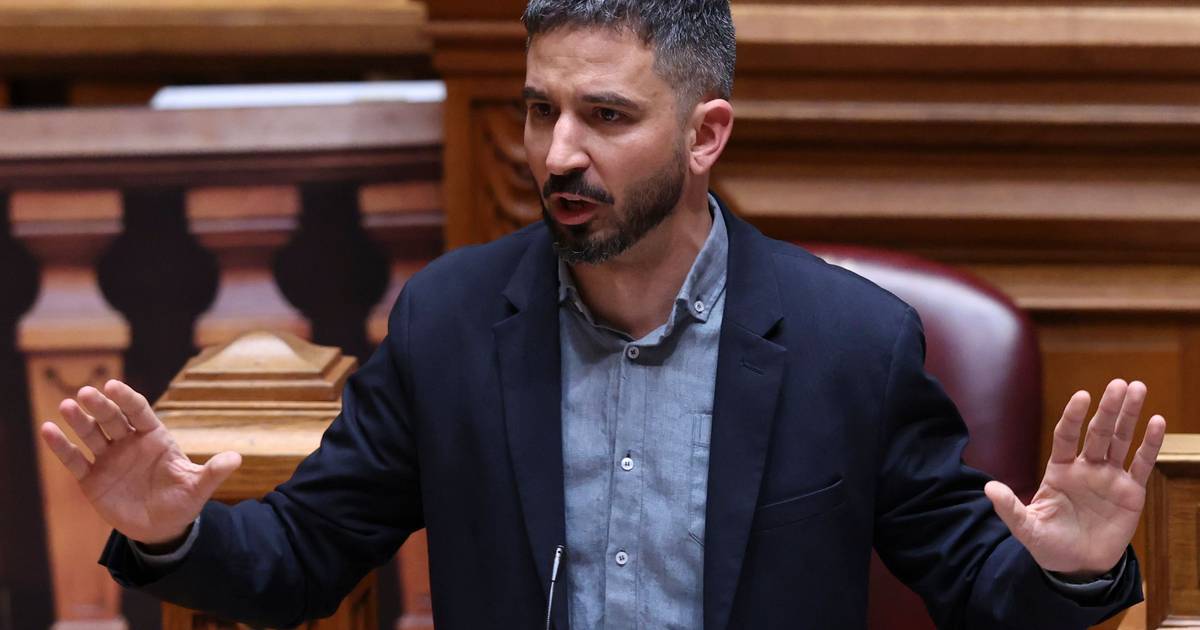
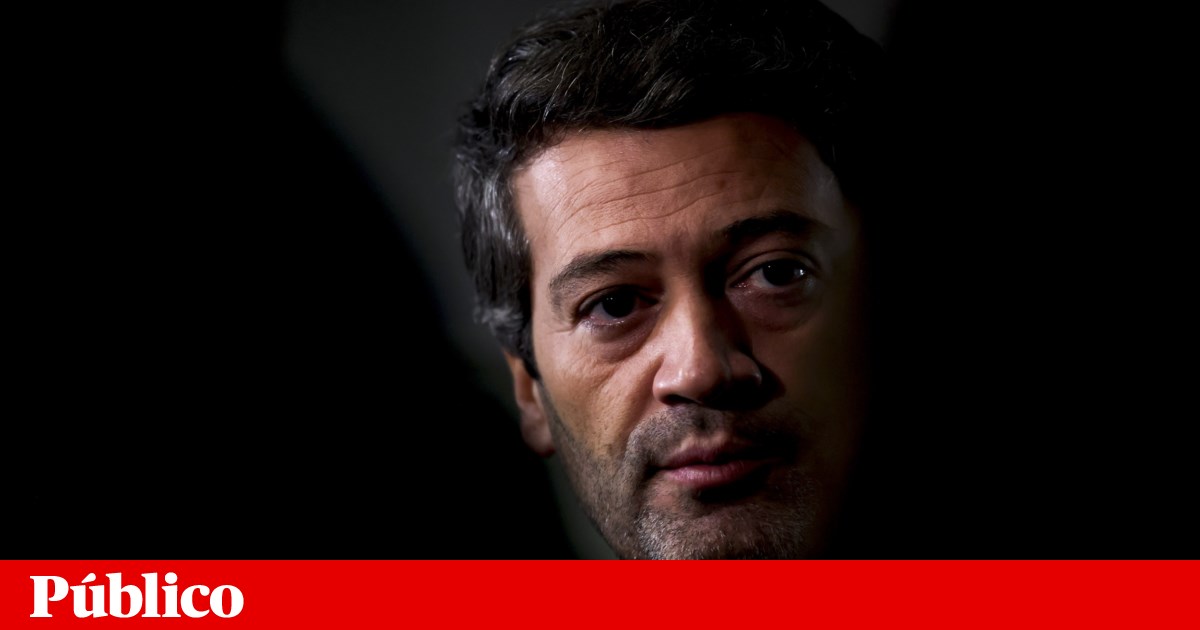
What the President of the Republic is (and what they should be)

Within the framework of checks and balances, let us think of the President as the brake, able to slow down political actors.
View full article on Observador

RSS source

Context & Explainers

The President of Portugal (Presidente da República) is the head of state with mostly ceremonial duties but key powers such as vetoing legislation, appointing the prime minister and, in certain circumstances, dissolving parliament. For expats the president is important for national stability and international representation, though daily government policy is run by the prime minister.

Portugal's president is elected by universal suffrage, requiring an absolute majority; if no candidate wins over 50% in the first round, a second round is held between the top two candidates. The president has important but limited powers — they represent the state internationally, appoint the prime minister, can veto legislation and dissolve parliament — while day‑to‑day government policy and foreign policy are led by the prime minister and ministers.

The president can shape the tone of Portugal's foreign policy through speeches, high‑profile meetings and formal powers like accrediting ambassadors, but executive responsibility for daily foreign policy lies with the government (prime minister and foreign minister). In practice the president's influence is political and moral rather than unilateral: strong statements can affect public debate and diplomatic signalling, but major policy shifts require government action or parliamentary support.

If no candidate wins over 50% of votes in the first round, Portugal holds a second-round runoff between the top two candidates to decide the winner. Expats with voting rights should be aware of the schedule and registration rules because the runoff can change strategic choices and the eventual president has powers such as veto and the ability to dissolve parliament.

The second round (segunda volta) is a runoff held if no candidate obtains more than 50% of votes in the first round; the top two candidates then compete head‑to‑head. For expats following elections, the second round is usually decisive because broader coalitions form and turnout and endorsements can change the outcome.