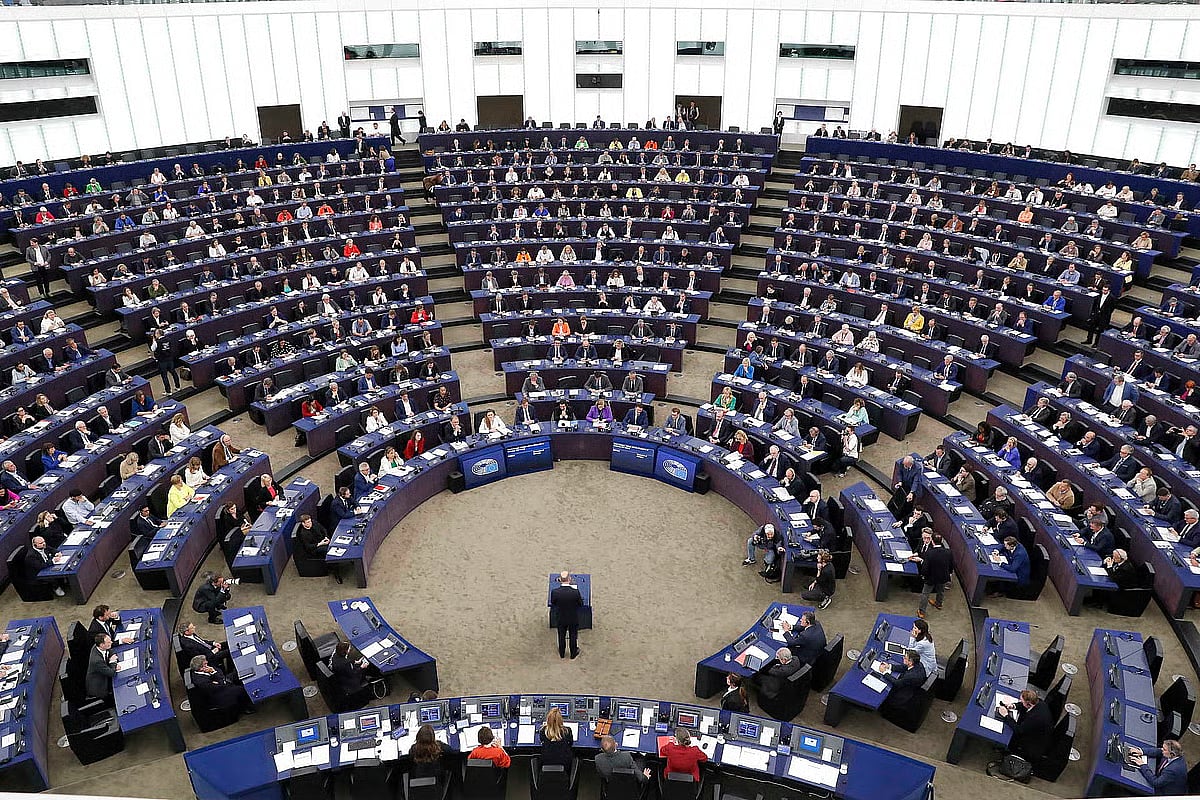
The end of Viktor Orbán's political cycle in Hungary marks more than a simple democratic transition; it exposes deep fragilities in the European project. After 16 years of governance marked by illiberal and eurosceptic tendencies, the victory of a pro-European force opens a window of opportunity, but also forces the European Union to confront its own limitations. The situation highlights issues regarding the rule of law, the use of economic leverage as a tool of power, and the ongoing structural tension between national sovereignty and European integration. This post-Orbán cycle serves as a test for whether the EU will function as a community of values or merely a space of economic convenience.
The new “Magyar” cycle and its European implications
Friday, 17 April 2026RSS