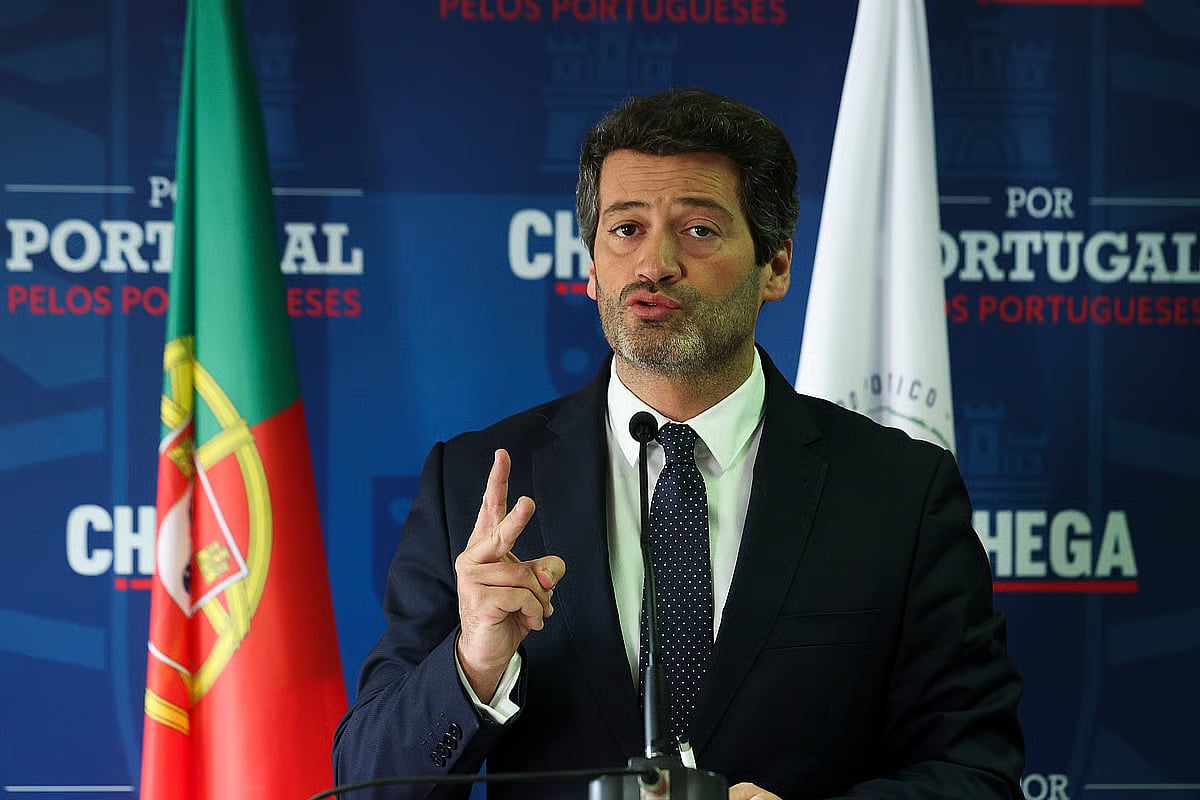
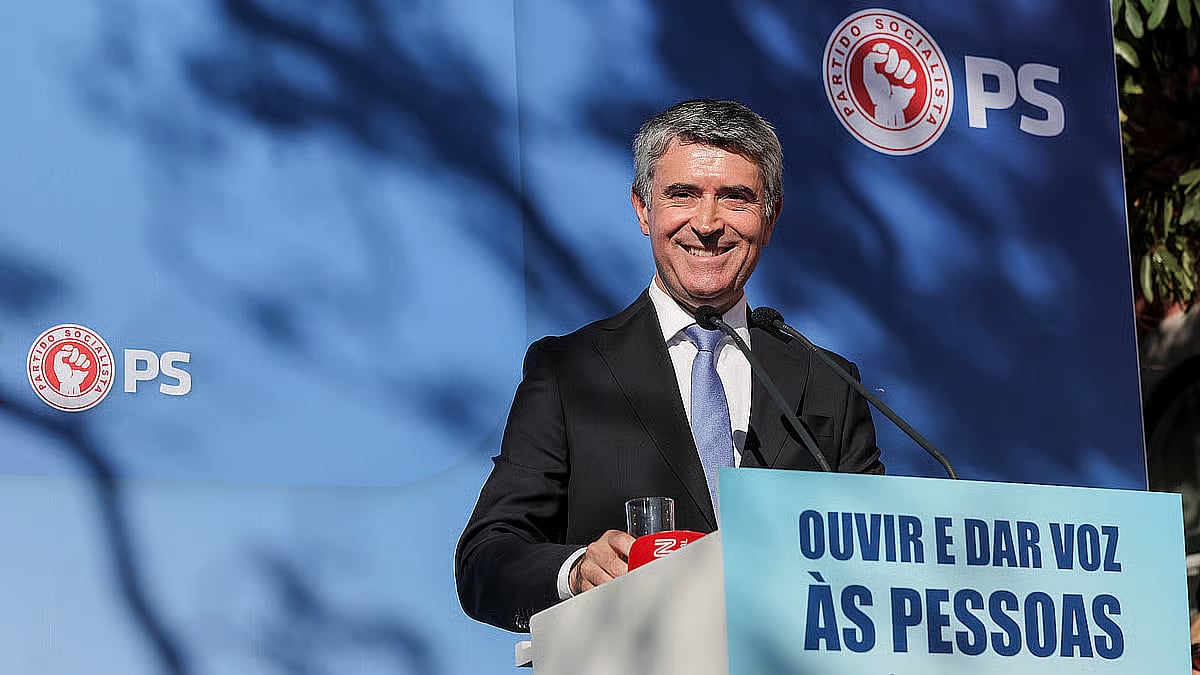
The Portuguese Communist Party (PCP) secretary-general, Paulo Raimundo, called on supporters to cast tactical votes for António José Seguro in the presidential election to prevent the rise of André Ventura. Raimundo framed the party’s stance as a single-minded effort to block Ventura — “the order of the day is to prevent” — while stressing this does not amount to endorsement of Seguro but a “determined and unhesitating stance” against what he called the candidate of the past.
PCP calls for votes for Seguro to prevent André Ventura's election
Tuesday, 20 January 2026RSS

Context & Explainers
António Filipe is a politician from the PCP (Partido Comunista Português) who, in this story, acknowledged that his election results fell short and said the party would join forces to oppose what it called a 'serious threat to democracy'. His remarks indicate the PCP intends to be active in post-election alliances rather than withdrawing from national debates. Voters and those following left-wing politics should pay attention to his and the PCP's next moves.

The Portuguese Communist Party (PCP or Partido Comunista Português) is a Marxist‑Leninist party founded in 1921 out of the revolutionary trade‑union and anarcho‑syndicalist movement, becoming the Portuguese section of the Comintern in 1923. Banned after the 1926 coup, it went underground and became a central force of resistance to the Estado Novo dictatorship, organizing clandestine unions, anti‑fascist struggle and supporting the colonial liberation movements. After the 1974 Carnation Revolution, the PCP was pivotal in land reform, nationalisations and embedding social rights in the 1976 Constitution, especially in the Alentejo and Setúbal regions where it has long been very strong.
Today the PCP is a smaller but still influential party rooted in the CGTP trade‑union confederation and local government, holding a handful of Assembly seats and one MEP in the Left group. It advocates a “patriotic and left‑wing alternative”: defence of workers’ rights, public services and national sovereignty, strong criticism of EU and NATO constraints, and support for socialist countries and anti‑imperialist causes.

Chega ("Enough") is a Portuguese far-right populist party founded in 2019 by André Ventura. It positions itself as an anti-establishment movement against what it calls a "rotten and corrupt system" of PS-PSD dominance. The party surged from 1.3% in 2019 to 22.8% in May 2025, becoming parliament's second-largest force with 60 seats. Chega's core platform emphasizes strict immigration control—ending automatic CPLP residency, deporting non-independent immigrants, implementing job-market quotas, and requiring five-year social security contributions before benefit access. It advocates radical constitutional reform, including reducing parliament to 100 members, abolishing the prime minister position for a presidential system, and dismantling public healthcare. Law-and-order policies include life imprisonment and chemical castration proposals.
The party is defined by inflammatory anti-Romani rhetoric, with Ventura convicted multiple times for discrimination. Chega maintains international alignments with European far-right figures including Marine Le Pen, Santiago Abascal, and Matteo Salvini. Mainstream Portuguese parties, including Prime Minister Luís Montenegro's government, have imposed a cordon sanitaire, refusing coalition with Chega despite its parliamentary strength.