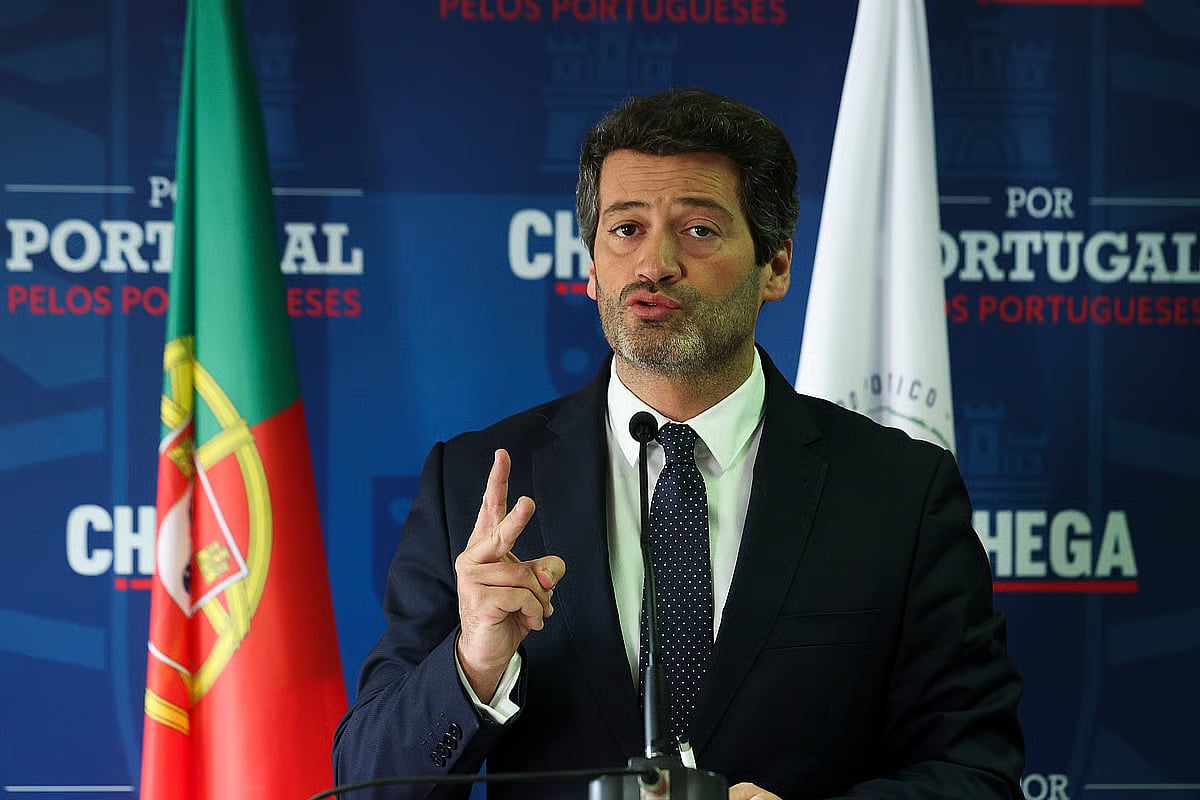
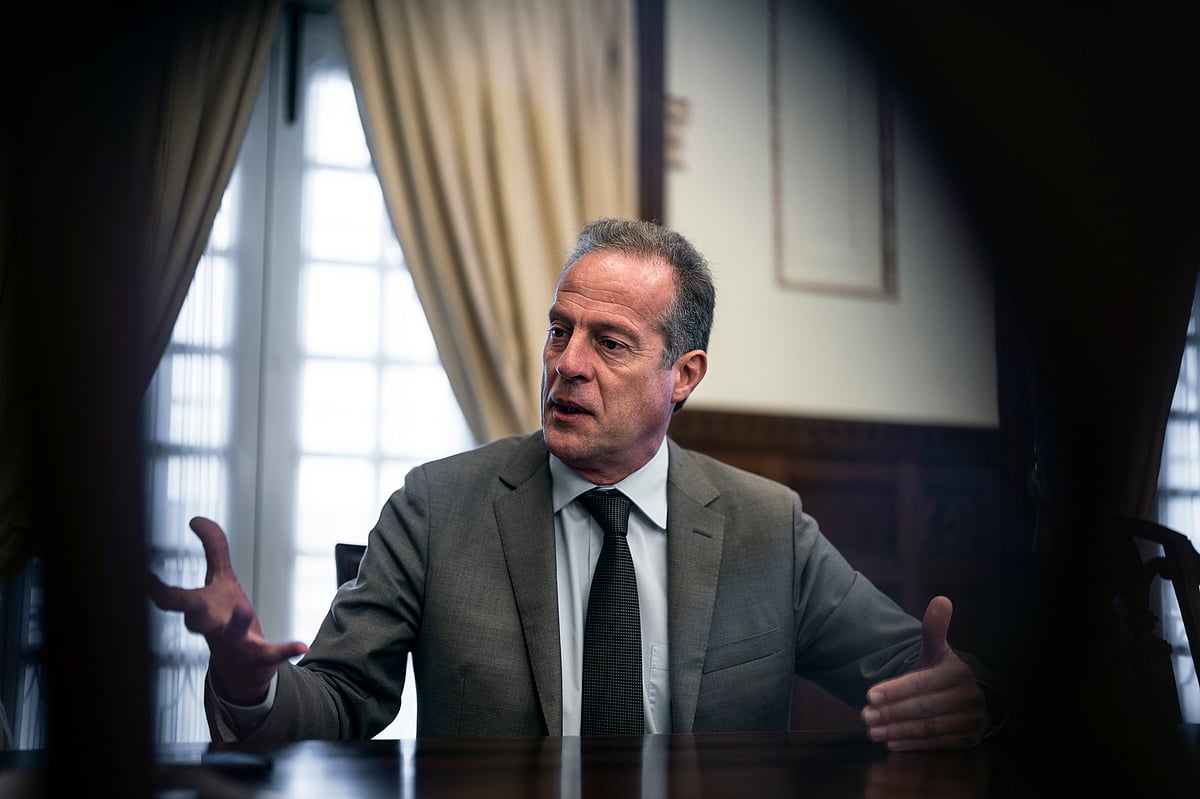
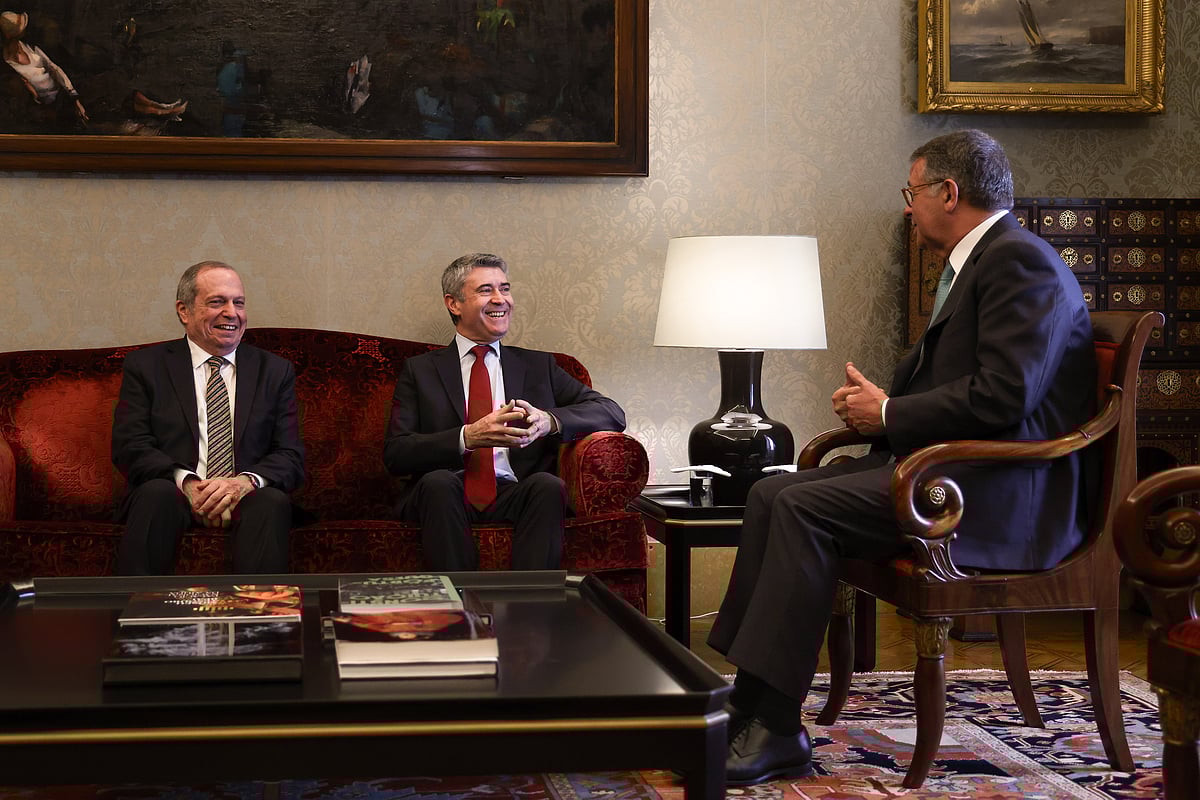
The issue of transparency has returned to the centre of political debate, this time sparked by Hugo Soares, the PSD parliamentary leader, who argued that income and interest declarations should no longer be publicly accessible. This stance, which drew sharp criticism from the opposition, highlights a broader issue: democratic representation cannot function effectively without transparency. Those who exercise power on behalf of others must accept scrutiny, as undermining this principle erodes trust in institutions and democracy itself. Recent cases, such as questions surrounding party funding and the lack of public access to donor identities, underscore the fragility of current oversight mechanisms. With upcoming legislative changes to party and campaign financing laws, political parties face a choice: embrace the scrutiny essential to representative democracy or move towards greater opacity, which only fuels public distrust and empowers anti-democratic forces.
Who is afraid of transparency?
Monday, 20 April 2026RSS

Context & Explainers
The Entity for Political Accounts and Financing (Entidade das Contas e Financiamentos Políticos or ECFP) is the regulatory body responsible for overseeing the financial activities of political parties and election campaigns in Portugal. It ensures compliance with transparency laws and monitors the sources of funding for political entities.
AI Summary AvailableTransparency concerns rise over party donor anonymityRead the synthesized summary with context and explainers
View full article on dn.ptRSS source
Other news coverage of this topic
- There are silences that say everything • Observador
- Pedro Duarte and the now-anonymous funding of political parties: "It is easier to give in to the will of the journalistic corporation and more popular to show everything we have and who we are" • CNN Portugal
- Alexandra Leitão and the controversy over party donors: "Transparency and scrutiny should prevail over data protection" • CNN Portugal