Dona Estefânia paediatric external emergency department closed until Sunday
The external paediatric surgery emergency department at Dona Estefânia Hospital will remain closed until Sunday.

Latest news and stories about medical services in technology in Lisboa, Portugal for expats and residents.
The external paediatric surgery emergency department at Dona Estefânia Hospital will remain closed until Sunday.

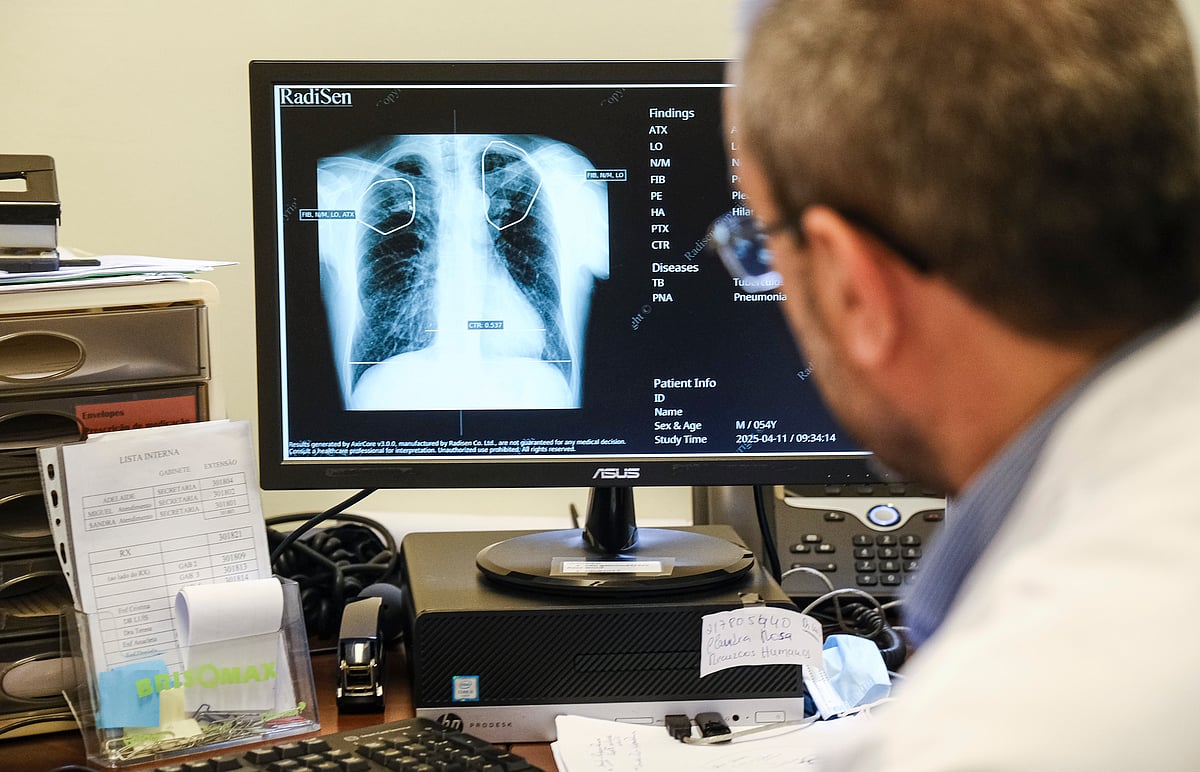
Artificial intelligence is revolutionising tuberculosis diagnosis by enabling rapid identification via chest X-rays, helping to combat the disease's stigma and improve early intervention for respiratory conditions.
Ten years ago, Garcia de Orta Hospital in Almada opened the first hospital-at-home unit. Today there are already 50 Local Health Units offering this service — a way of delivering healthcare to 400 patients receiving inpatient care outside the hospital.

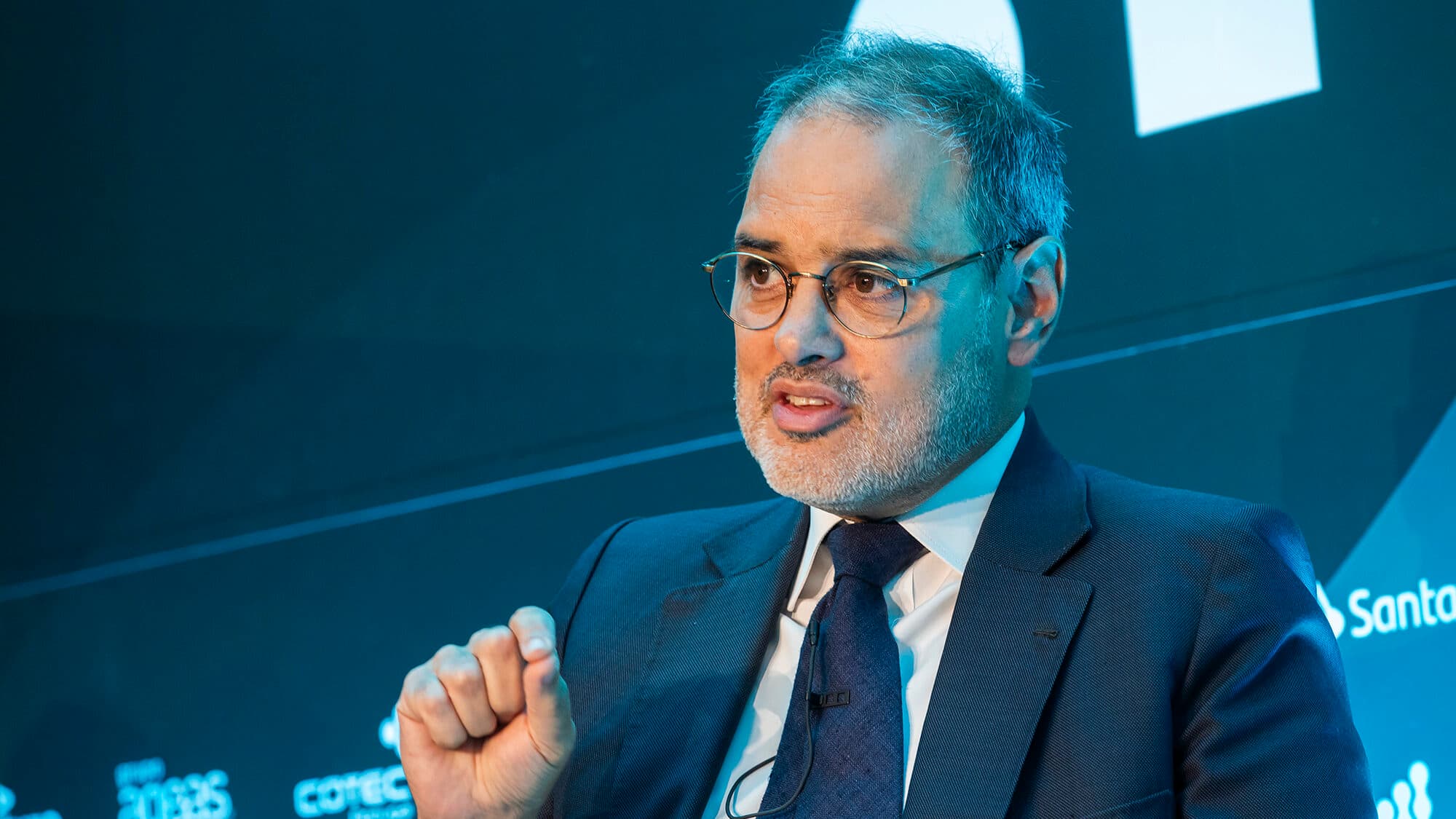
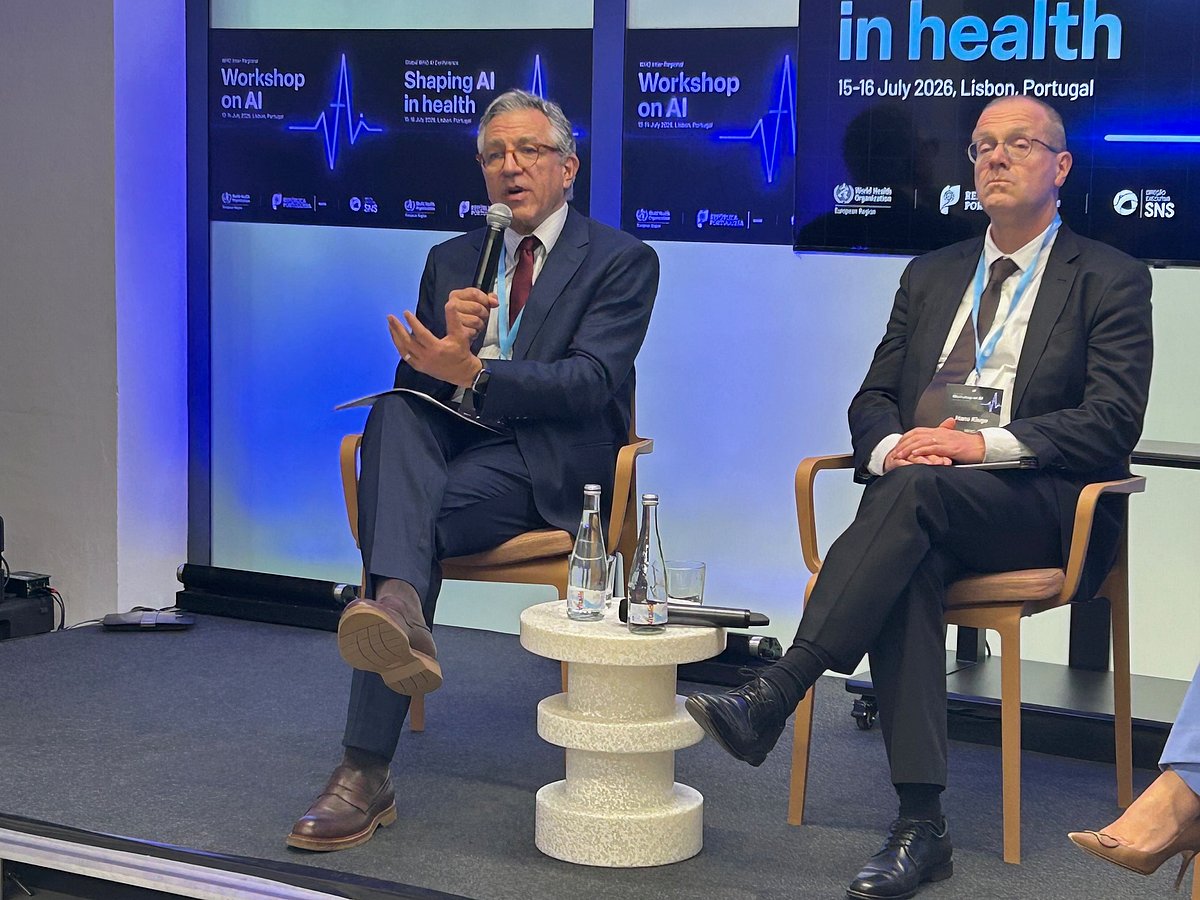
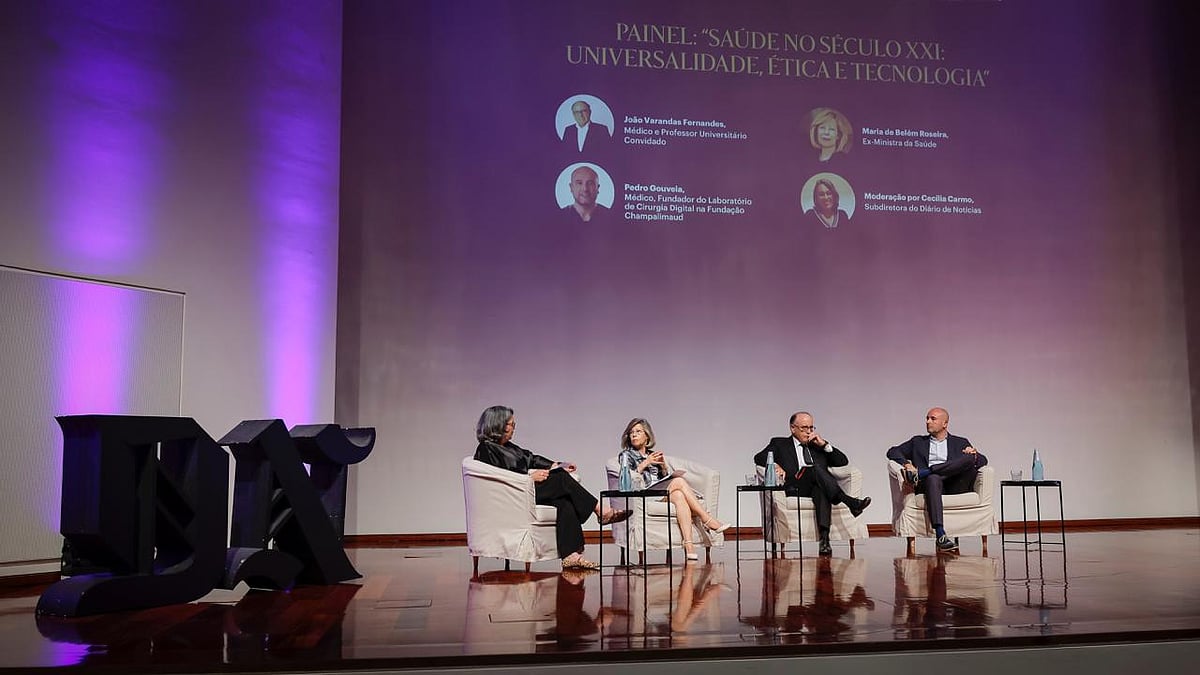
Empathy, ethics, the integration of public, social, and private systems, and the benefits of using artificial intelligence in healthcare were the main topics at the DN Grand Conference. Experts discussed how digital transition is vital, yet AI cannot replace the 'human doctor' or the essential role of empathy in patient care. The panel also addressed the need for better health literacy, the importance of investment in increasingly expensive medical technologies, and the necessity for interoperable data systems across hospitals.

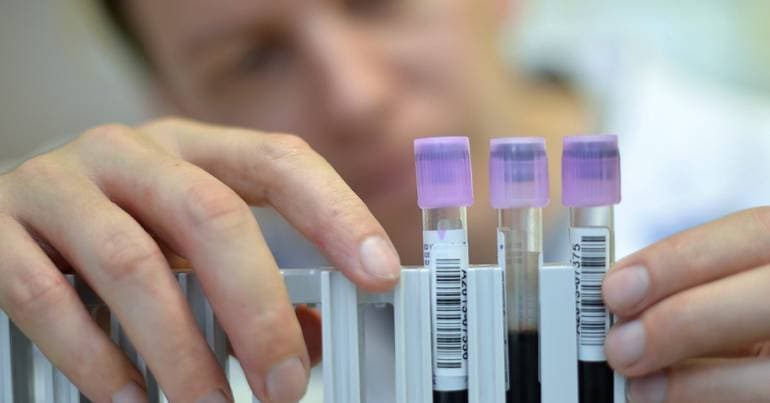
Between a hospital corridor and a laboratory, where science and curiosity can change the fate of cancer patients. On National Scientists' Day, this is my portrait of what it is like to do science in Portugal.
A new, innovative facility has opened in Portugal that uses technology resembling video games to provide treatment for neurological conditions.
The Champalimaud Foundation launches the DNTx Centre, a new facility dedicated to digital neurotherapies.

The DNTx Centre will monitor patients with depression, obsessive-compulsive disorder, Parkinson's, chronic pain or stroke sequelae. The focus is on non-pharmacological therapies, some already in use and others under development.

Signed in Rome, the agreement between the two foundations aims to develop advanced non-profit cell therapies for cancer and autoimmune diseases.


Over the last three years, Infarmed has authorised 591 new clinical trials, one-third of which are in the field of cancer.

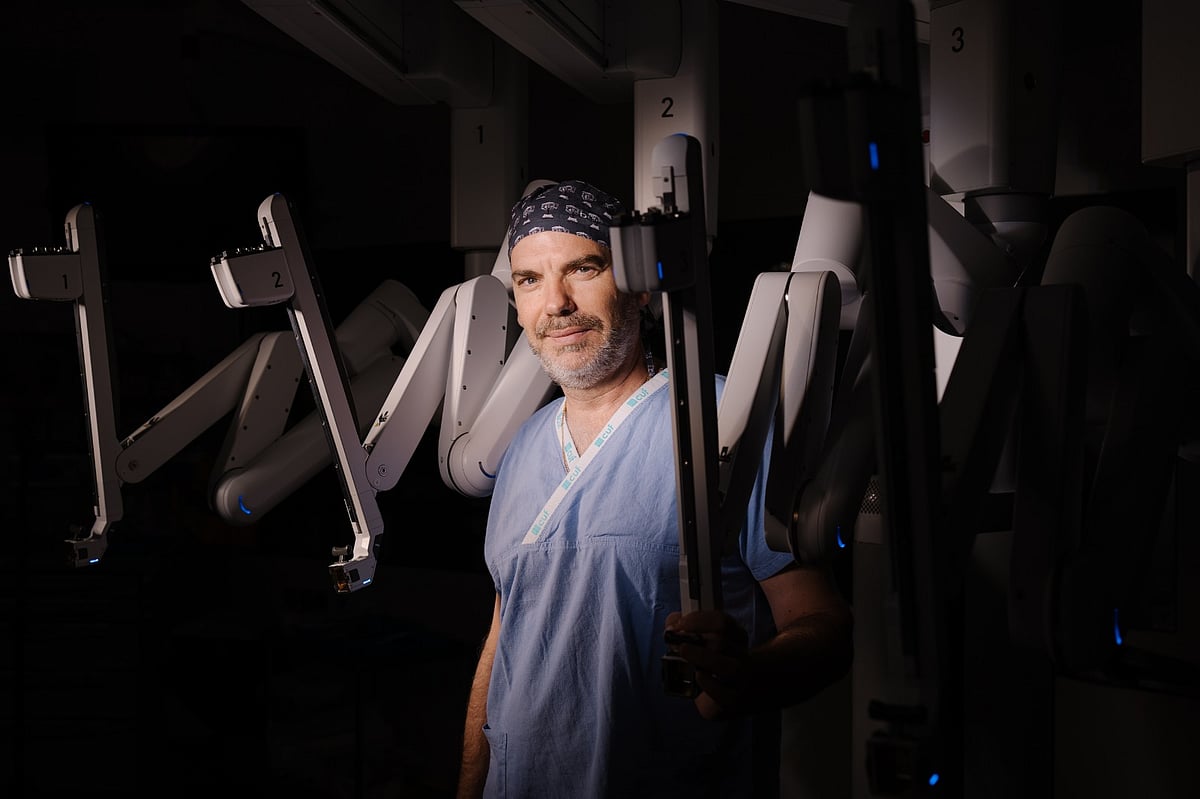
Lisbon hosted the URONEXT forum, where surgeons demonstrated the Renal Sutureless Device (RSD) technique. By using a 3D-printed, biocompatible haemostatic mould instead of traditional internal stitches, the procedure reduces trauma to healthy kidney tissue, improves recovery times, and protects long-term cardiovascular health.

At the Laboratory of Instrumentation and Experimental Particle Physics in Lisbon, Pedro Assis’s team is developing a system capable of delivering radiotherapy more effectively.