Observador reports that over the past decade foreign taxpayers in Portugal have become younger and increasingly receive family benefits, with concentrations now in the Lisbon, Faro and Setúbal districts. The shift affects benefit patterns and local public-service demand in those regions. Those advising immigrant households or working in local administrations should note the changing demographic and benefit profile.
President António José Seguro advocates for a state that supports accountants through stable tax laws, judicial efficiency, and reduced bureaucratic processes.
This Tuesday features key economic updates including INE's June inflation estimates, the deadline for IRS tax filings, and the second day of the European Central Bank's annual forum in Sintra.
Portugal is seeking to enhance its appeal to Middle Eastern investors, particularly from Qatar, by shifting its marketing strategy beyond just its favorable climate. In Doha, representatives from Startup Portugal are engaging with local entrepreneurs to promote investment opportunities in the country.
Expresso highlights this Friday that it will take 10 years to resolve the housing crisis, citing a shortfall of 300,000 homes estimated by the Bank of Portugal. The paper also reports on 206 unclaimed bodies in Lisbon this year, including 15 children. Nascer do Sol notes that non-resident foreigners will lose free access to the National Health Service. Público focuses on the Brazilian presidential elections and reports that the INEM budget will grow by 30%, though it remains dependent on insurance yet to be approved. Jornal de Notícias covers municipalities using tax authorities to coercively collect unpaid school meal debts. Correio da Manhã reports on a bankruptcy scheme involving lawyer Paulo Topa, who allegedly profited over 9.5 million euros from a failed real estate company. Diário de Notícias highlights the first use of an automated system for medical specialty residency placements, noting that glitches are causing distrust. Negócios reports on the Court of Auditors' warnings regarding tax breaks for skilled foreign workers, and Eco notes that Unbabel investors are at risk of losing tax benefits.
Chega will present an 'emergency legislative package' for housing, proposing an increase in income tax deductions, and has admitted to a budget deficit to finance this plan. In a press conference at the national headquarters of Chega in Lisbon, André Ventura defended the need for an understanding between the parties to approve measures that can truly make a difference.
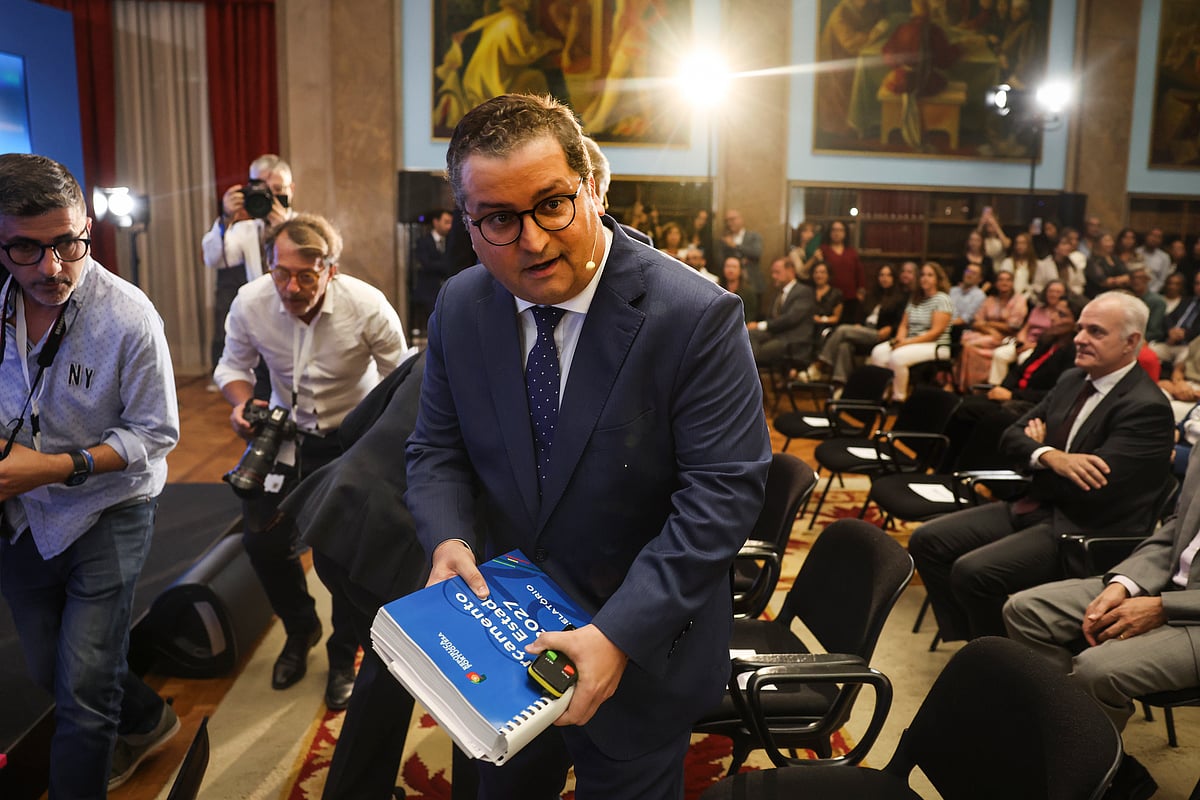
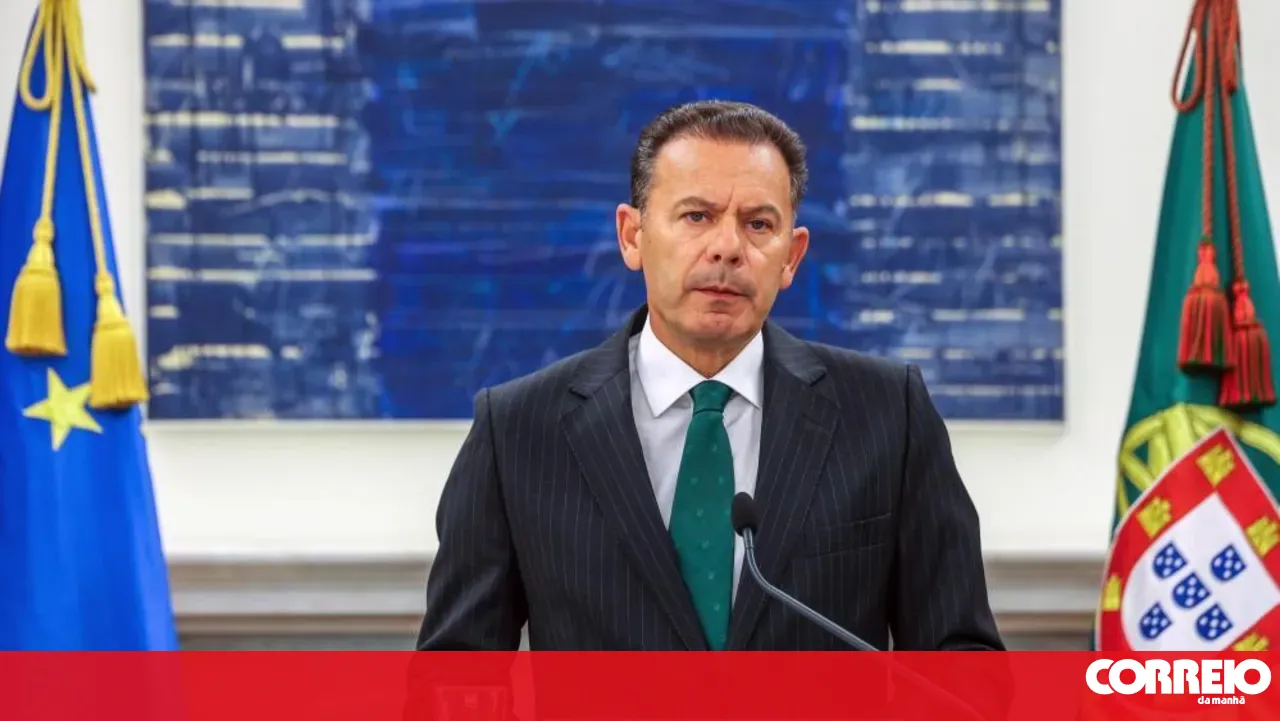
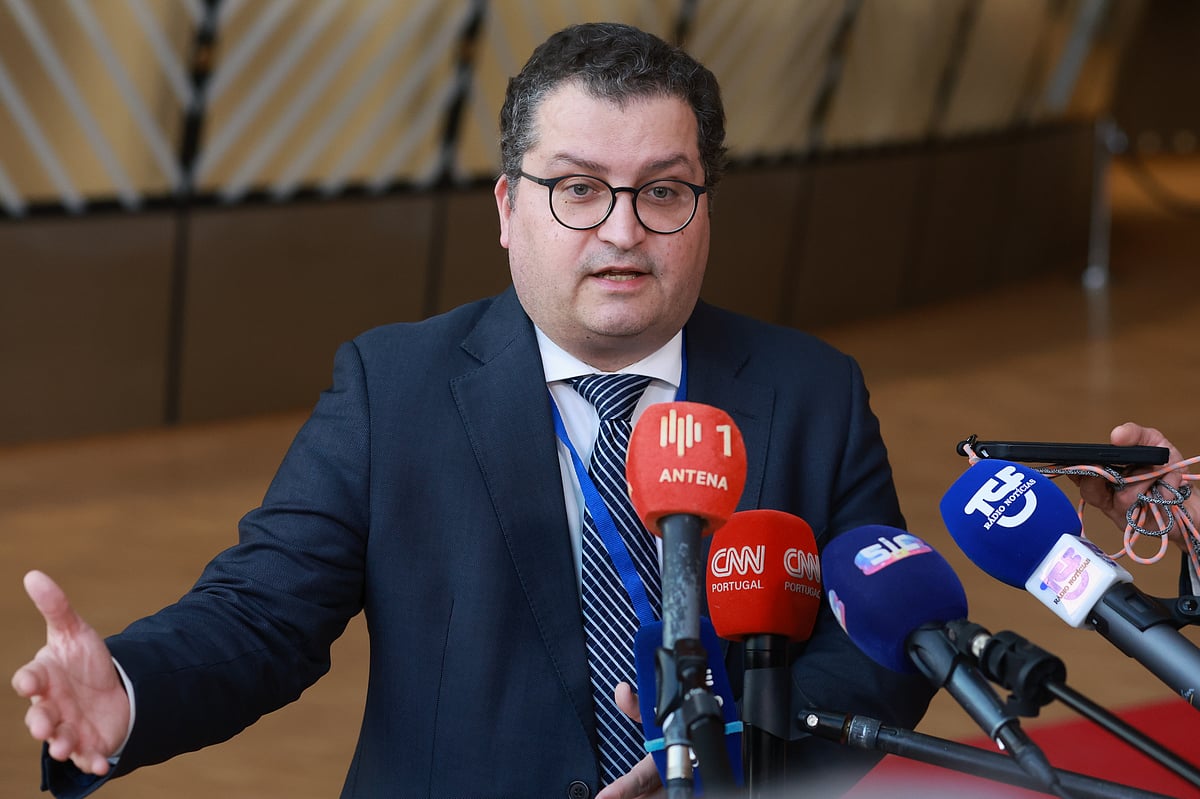
The Portuguese government, led by Joaquim Miranda Sarmento at the Ministry of Finance, has decided to accelerate part of the recently approved IRS income tax relief by reducing withholding tax rates on salaries and pensions by 50% specifically for the month of November. This measure, supported by Prime Minister Luís Montenegro, aims to provide immediate financial relief to families, helping them manage purchasing power amid rising fuel costs, rather than waiting for tax refunds in 2027. Following the November adjustment, withholding rates will revert to current levels in December. The reduction applies to the first six income tax brackets, with the broader legislative changes being retroactive to January 1, 2026.
The Governor of the Bank of Portugal, Álvaro Santos Pereira, argued this Wednesday that income support measures should be temporary and targeted at the most vulnerable families. Even so, he warned that “large packages” of support generate additional budgetary pressure. “The packages of measures should be primarily aimed at families in greatest need,” he said.
Portuguese 10-year bond yields surpassed 4% this Friday (25) for the first time since March 2017. The threshold was crossed shortly after 3:00 PM in Lisbon, peaking at 4.0141% at 3:39 PM. Although they fluctuated above this level for the next two hours, they eventually retreated to close at 3.971%. On Thursday, the rate reached 4.00%, but today it broke the barrier for the first time since March 28, 2017, when it stood at 4.013%. Worsening inflation outlooks have led investors to sell bonds, pushing yields to multi-year highs. This escalation occurs amid rising oil and natural gas prices due to the conflict in the Middle East and disruptions in energy commodity transit through the Strait of Hormuz. Earlier this month, US and German bond yields hit highs not seen since 2007 and 2009, respectively. Inflation, alongside the labour market, remains a key indicator for monetary policy direction. Earlier this month, the European Central Bank (ECB) announced its second interest rate hike of the year, bringing the main rate to 2.5%, a move mirrored by the US Federal Reserve. National debt yields touch new highs again.
The working group created to study the Social Security reform argues that analysing the pension system in isolation constitutes an 'incorrect, incomplete and illusory' reading of the sustainability of Social Security.
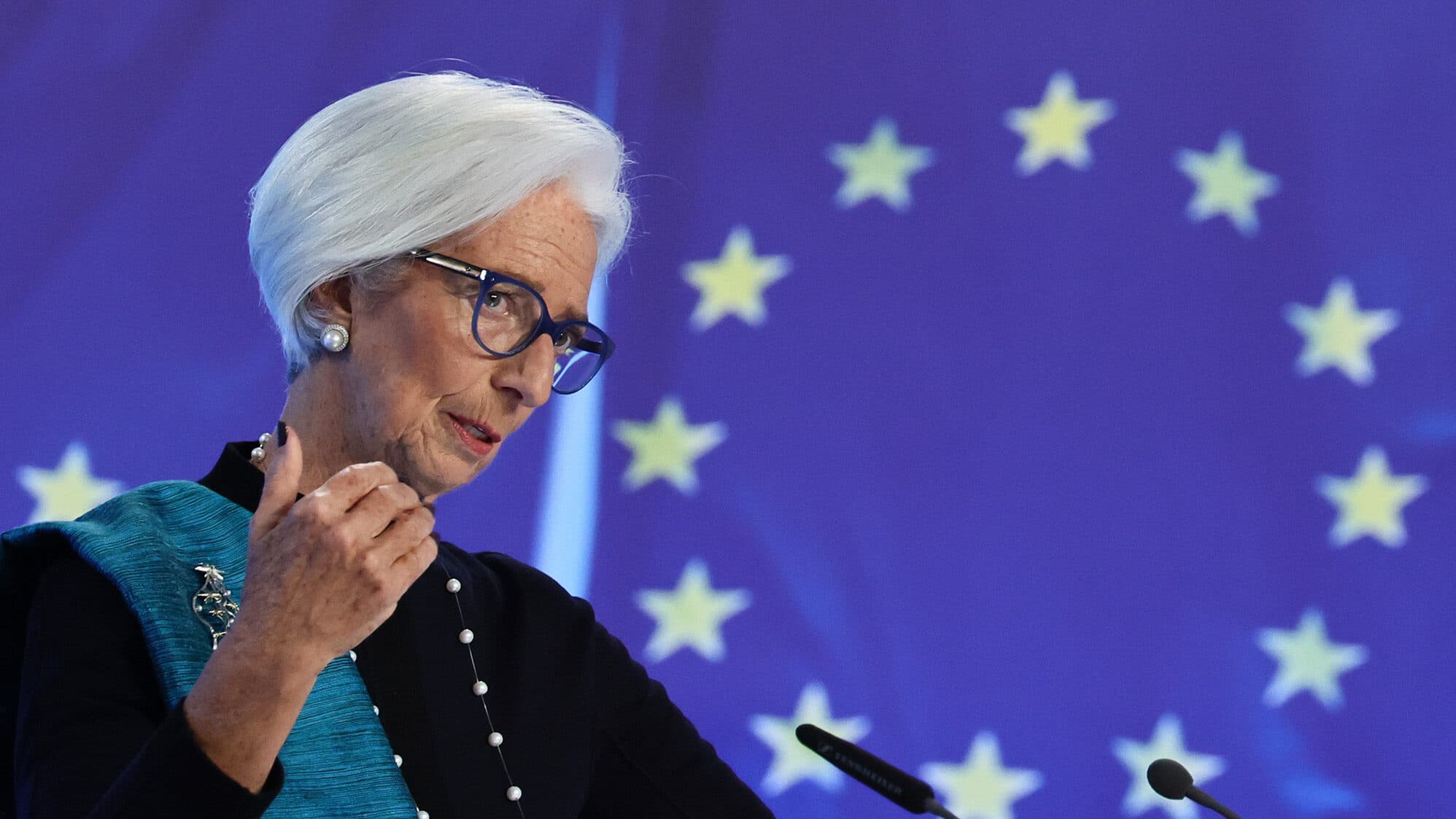
In her opening speech at the ECB Forum in Sintra, Christine Lagarde guarantees that the European economy is more resilient to shocks and, therefore, any “adjustments” to interest rates will be “measured”.
The president of the European Central Bank (ECB), Christine Lagarde, rejected this Monday that the 25 basis point interest rate hike at the institution's last meeting served as a “safety” measure, justifying that keeping rates constant would have left inflation above 2% next year and in 2028. “There were those who characterized the...
The President of the European Central Bank (ECB), Christine Lagarde, believes that monetary policy has entered a new phase, returning to the “essentials”, after the response to crises over the last decade and a half involved the use of unconventional instruments, such as debt purchasing. “In the last 15 years, a context of extraordinary pressures required responses...
The Minister of Finance stated this Friday, June 19, that the Government will “move forward shortly” with the reform of tax justice, specifically with a review of tax rates. During a speech at the Franco-Portuguese Economic Conference in Lisbon, Joaquim Miranda Sarmento highlighted necessary measures to address the country's main constraints, namely in human capital, bureaucracy, and the labour market. Regarding fiscal simplification, he indicated that the reform of tax justice and tax litigation will proceed shortly, including a review of rates. Furthermore, he highlighted the reform of the State to “extinguish and reduce the number of entities, but above all to combat bureaucracy, and in those entities where” there is “perfect awareness that they are a bureaucratic problem, such as the APA [Portuguese Environment Agency], ICNF [Institute for Nature Conservation and Forests], IRN [Institute of Registries and Notaries], and CCDR [Commission for Coordination and Regional Development].” The minister also signalled the need to continue reducing marginal IRS (personal income tax) and IRC (corporate income tax) rates, noting that even though they are no longer the highest in the OECD, they are “still quite high.” For this year, Miranda Sarmento emphasized that, “despite all the difficulties,” it will be possible to achieve “growth of around 2% of GDP, well above the Eurozone average,” a balanced budget, and continued reduction of public debt. At this conference, focused on relations between Portugal and France, the minister listed examples of investments in Portugal, such as BNP Paribas and Natixis, projects which, as a whole, “are critical to the Portuguese economy.” The banking sector is “another success story,” he added, pointing out that “15 years ago the banks were in a very difficult situation; today they are resilient, well-capitalised, profitable, and proof of this was the purchase of Novo Banco by BPCE.” Miranda Sarmento: tax revenue shows that Portugal is doing better than people say. IRS and IRC reductions “are to be implemented,” guarantees the Secretary of State for the Budget.
The Minister of Finance reaffirmed this Monday the Government's intention to lower income tax (IRS) again, stating that a reduction in 2027 will only be decided after reviewing the performance of the economy and public accounts. During a conference in Lisbon, Joaquim Miranda Sarmento said that it is important to continue reducing...
On the day the Prime Minister travels to Porto, where he meets with the mayors of Porto and Lisbon, the Bank of Portugal publishes its behavioural supervision report and the National Statistics Institute releases a survey on the financial situation of families for 2024. Also, Sonaecom presents its first-quarter results.
The Constitution of the Republic turns 50 this Thursday, with Público highlighting that half of the Portuguese population identifies with it, while only 10% do not. A study by the IPPS-Iscte institute, authored by Pedro Adão e Silva and Isabel Flores, reveals that 58% of respondents believe the Constitution should be revised, particularly to criminalise illicit enrichment and reduce the number of MPs. Meanwhile, Jornal de Notícias and Correio da Manhã report that due to lower tax withholding rates, many taxpayers will receive smaller refunds or will have to pay additional income tax this year. Additionally, Correio da Manhã reports that former minister Mira Amaral was arrested by the police on suspicion of domestic violence at a clinic in Lisbon, an allegation he denies.
Sarmento claims victory, but knows he had the help of measures that have limits: salary increases return taxes to the State and the tax cut increases consumption. Editorial by Marta Moitinho Oliveira.
Executives from major Portuguese banks stated on Tuesday, the 10th, that the sector is prepared for shocks resulting from the war in Iran, citing recent experiences and increased institutional resilience. Leaders from Caixa Geral de Depósitos, Millennium BCP, Santander, BPI, Crédito Agrícola, and Montepio emphasized the importance of risk management, capital liquidity, and adaptability in the face of global volatility, energy price hikes, and potential disruptions to the Strait of Hormuz.
The committee states that some workers have already expressed that they do not have the financial capacity to support a move to Tagus Park in Oeiras and will have to leave the institute.
The Lisbon Tenants' Association also says that the increase from €600 to €900 in the cap on the deduction for rents paid is 'clearly unfavourable to tenants'.
The mayor of Cascais has demanded that the national government reopen the Carcavelos tax office, arguing that restoring local access to tax services is essential for residents and businesses.
Compared to other regions, all except Alentejo (which remained at 77.1%) converged with the EU; the Algarve reached 89.2%, Madeira 88.3%, the Azores 72.5%, the Centre 70.7%, and the North 70.8%.