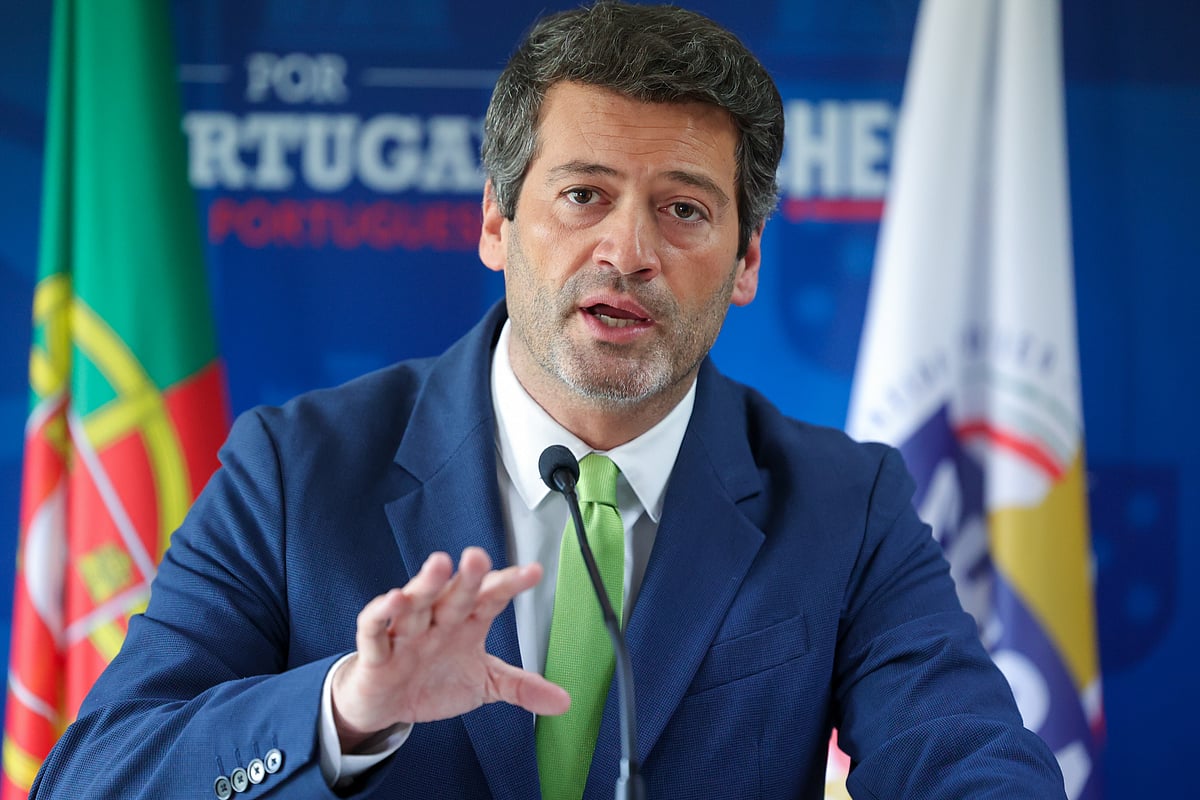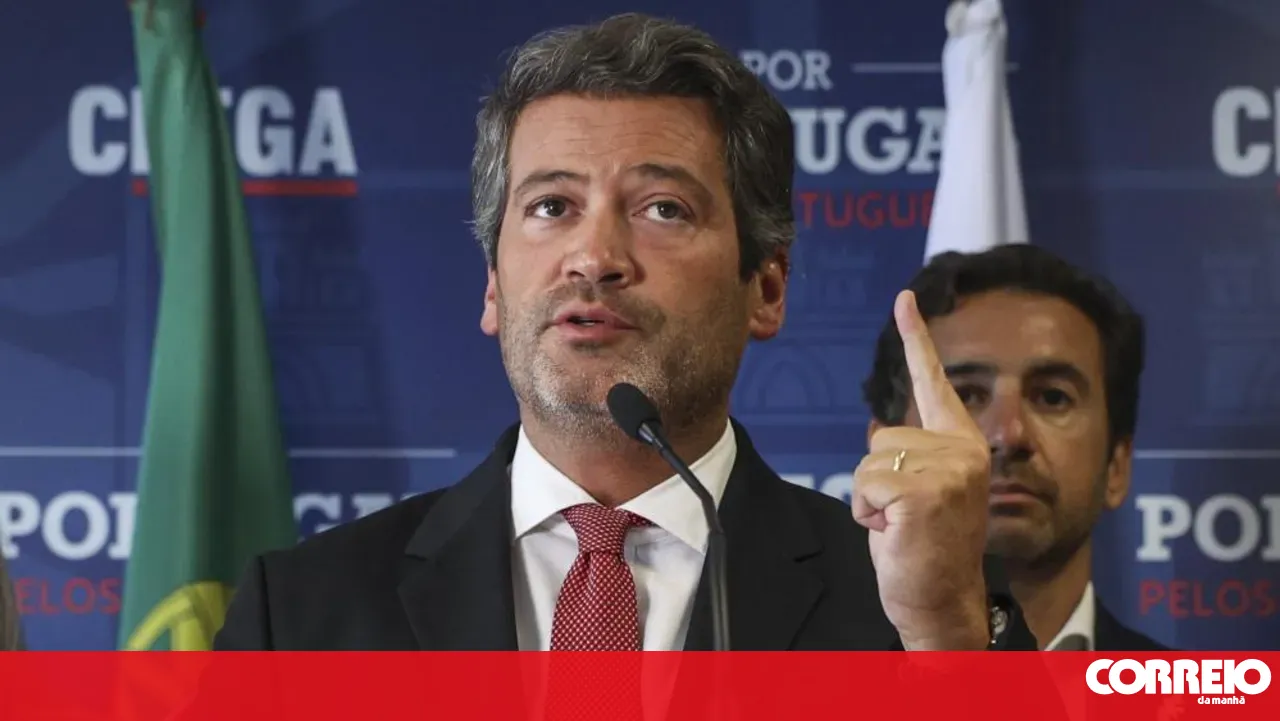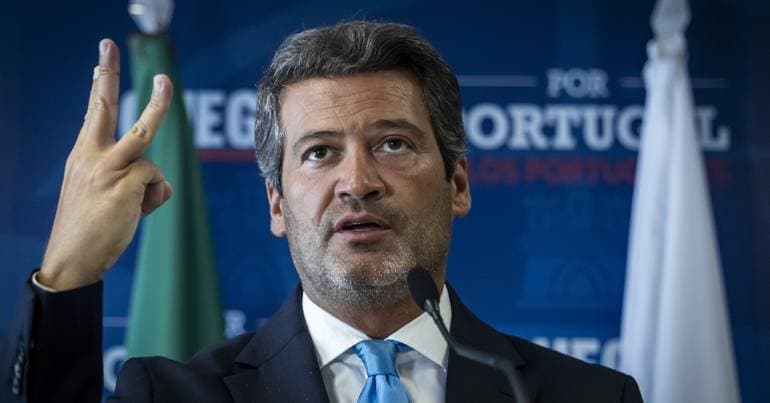
“This is not Bangladesh (but it looks like it)” and “Smile, we are being replaced” were the messages read at the Chega stand at Futurália. Those who attack school content aligned with constitutional values accept the exposure of adolescents to the violation of those values, presenting human groups as a threat. The normalisation began in Parliament, continues on the streets, and will be repeated in schools. A generation educated by social media and taught to accept racism as a point of view will offer us the tragedies of the future.
Five months after electing more than a hundred councillors, Chega has already begun to lose some of its elected officials and even risks losing its representation in the Lisbon city executive. On Expresso da Manhã, Paulo Baldaia speaks with Hélio Carvalho, the journalist who covers news regarding Chega.
Bruno Mascarenhas, who was publicly urged by MP Rita Matias to resign as a Lisbon city councillor following RTP reports regarding Mafalda Guerra Livermore—whom he appointed as administrator of the municipality's Social Services—not only refuses to step down but intends to run for the party's Lisbon district leadership. According to DN, Mascarenhas is currently reaching out to members to present his candidacy for the structure, currently led by MP Pedro Pessanha, dismissing the theory held by some Chega officials that Rita Matias's appeal signals a rift with André Ventura. The councillor, who led the party's list in the 2025 local elections, is preparing to present 'out-of-the-box' proposals for the capital's environment and green spaces. Despite Mascarenhas ruling out resignation or becoming an independent councillor, some within the party argue that his connection to Mafalda Guerra Livermore and the public call from a prominent party figure make his position untenable. On Tuesday, Chega's coordinator in the Lisbon Municipal Assembly, Luís Nunes, distanced the party from Mascarenhas, stating that the municipal group does not endorse his actions and was not consulted on his appointments to municipal company boards. Meanwhile, Mafalda Guerra Livermore claimed in a CMTV interview that she is being persecuted and alleged she discovered a 'financial hole' in the Social Services, denying she was dismissed by Mayor Carlos Moedas.
The Chega party has officially distanced itself from Lisbon councillor Bruno Mascarenhas following reports that his partner was renting clandestine housing to immigrants in poor conditions.
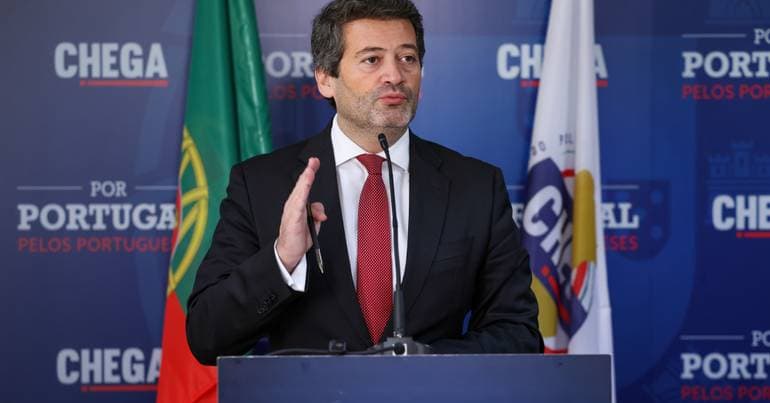
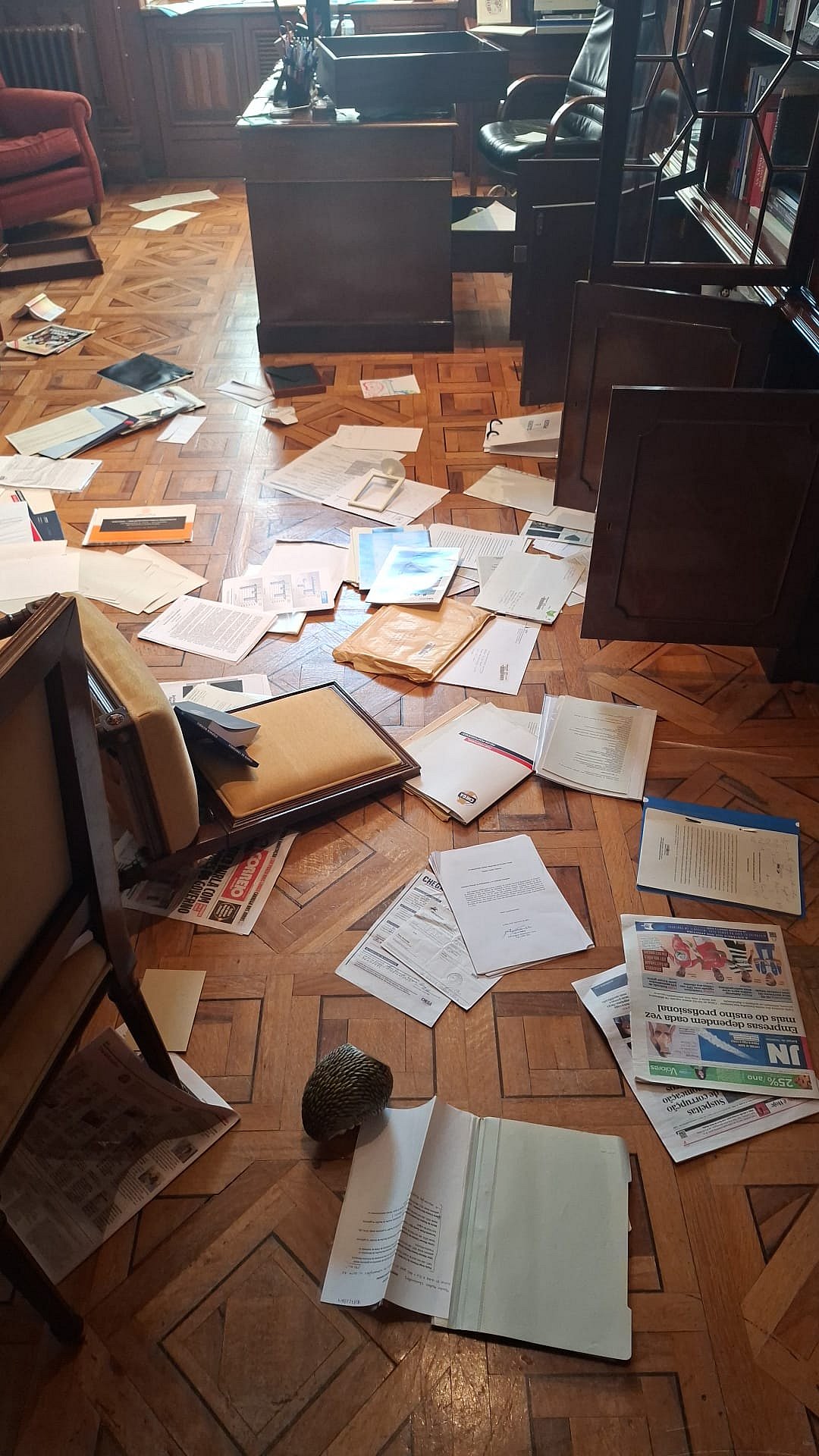
“We do not identify ourselves in the slightest with what is happening in the councillor's office of Dr. Mascarenhas,” stated the leader of the Chega bench.
The councillor does not respond to Rita Matias's call for resignation. Chega local officials in Lisbon criticise Mascarenhas. Moedas, who appointed (and dismissed) Livermore, tries to stay on the sidelines of the controversy.
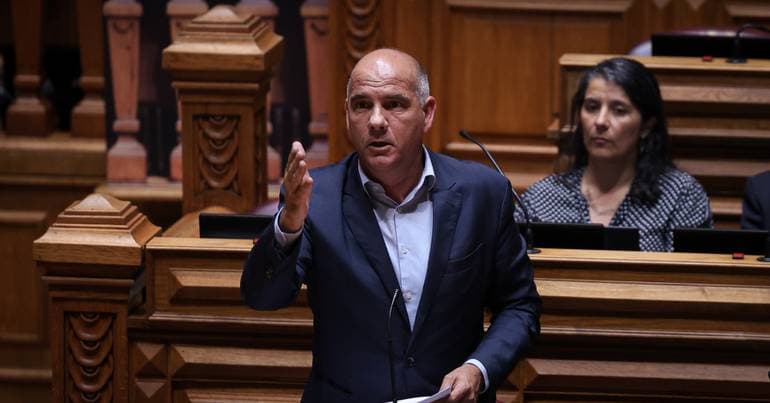
At the Lisbon Municipal Assembly meeting, Chega deputies stated that the good result in the local elections increased the “probability” that they had “erred” in the “choice of some members”. Councillor Bruno Mascarenhas is not present at the session.
Chega has already lost one of its councillors in Lisbon: Ana Sofia Simões has become an independent following disagreements with Bruno Mascarenhas and has been integrated into Carlos Moedas' executive team. Ventura says he is awaiting a decision from the internal party bodies.
This is the umpteenth proof of the political convergence between the right-wing PSD/CDS/IL and the far-right Chega, adopting the 'culture wars' of this nebula of 21st-century neo-fascism. Opinion by Manuel Loff
The Portuguese parliamentary group Chega abruptly left the plenary session after a heated altercation with Teresa Morais, the acting president of the parliament. The dispute arose during a debate on racism and violence against women, initiated by Chega, where leader André Ventura accused opposition deputies of ignoring crimes against foreigners and women. Teresa Morais responded by defending the integrity of female parliamentarians, which prompted Ventura to criticize her and the opposition. The confrontation escalated when Filipe Melo of Chega was reprimanded for leaving his seat during the exchange, leading to the entire Chega bench walking out and the session ending prematurely. The incident was widely condemned, with the opposition praising Morais and criticizing Chega's behavior.
The content of the messages was criticised this Monday by Fenprof, which considers it to be the promotion of “ideas that attack the dignity of the human person” and democracy.
Fenprof condemns Chega for using Futurália to expose “young students to messages of a populist, authoritarian nature that are deeply incompatible with the values” of the Constitution.
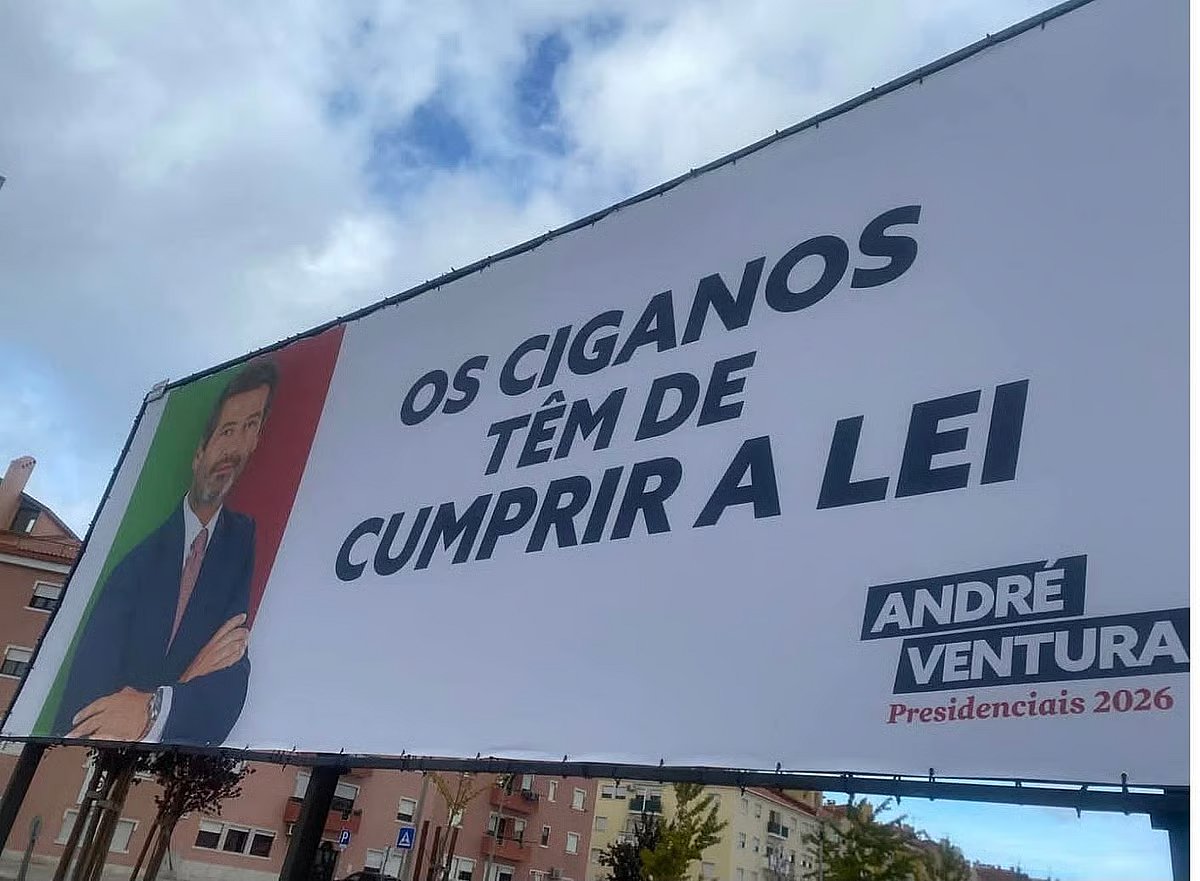
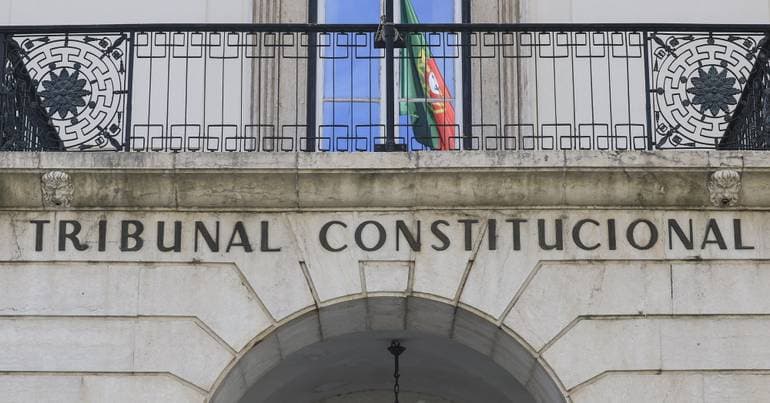
The Public Prosecutor's Office has archived the investigation into controversial campaign posters by Chega leader André Ventura, ruling that while the content may be subject to civil penalties, it does not constitute a criminal offense under the Penal Code, citing political freedom of expression.
Mafalda Guerra, a Chega activist, was dismissed following an RTP investigation that uncovered her properties being utilized as illegal housing for immigrants in Lisbon. The report raised significant concerns regarding the legality of the rentals and the implications for immigrant communities.
Chega plans to propose the reinstatement of zero VAT on essential goods, a measure they aim to limit until the end of the year. Additionally, the party is advocating for further government action to reduce fuel taxes.
The Cascais PSD has officially handed over municipal portfolios to Chega, following a governance agreement approved by Chega's national leadership. The party, led by Ventura, will now oversee the portfolios for transparency and sports. In response, the Socialist Party (PS) has decided to return their portfolios in protest, marking a significant shift in the local political landscape.
The president of the Cascais City Council, Nuno Piteira Lopes, has formed a new coalition with Chega after the previous agreement with the Socialist Party (PS) fell apart. This strategic move aims to secure a majority in the Municipal Chamber, marking a significant shift in local governance dynamics.
The article critiques Carlos Moedas for his political maneuvers, particularly his secretive agreement with the far-right party Chega, which contradicts his public image as a reformist. It highlights the lack of transparency in his dealings and the implications for his governance in Lisbon, emphasizing that he can no longer blame external factors for inaction. The piece calls for Moedas to focus on effective governance rather than personal political ambitions, as he now holds a majority that was not directly granted by the electorate.
André Ventura returned to the campaign trail in Sacavém after advancing to the second round, challenging António José Seguro to more debates and accusing him of preparing to avoid direct confrontations. Ventura said he was astonished that several right‑wing and establishment figures were endorsing Seguro — whom he claims is ‘running into the arms of the Socialist Party’ — but stressed that such endorsements do not matter to him and that only popular support counts.