Friday Briefing: Immigrant exodus raises economic concerns
An analytical look at the economic implications of the recent immigrant exodus and its impact on national labour markets.

Latest news and stories about labour market in immigration in Portugal for expats and residents.
An analytical look at the economic implications of the recent immigrant exodus and its impact on national labour markets.
A study indicates that the Portuguese economy and society rely heavily on immigrant labour to operate effectively.
Foreign nationals now account for nearly a quarter of IEFP trainees, with many immigrants moving beyond language acquisition to pursue technical vocational training for better labour market integration.

The Bank of Portugal reports a gradual slowdown in employment growth for 2025, despite the labour market reaching historical highs, citing economic challenges and revised growth forecasts.

Cáritas highlights the issue of poverty that is often overlooked in statistics, focusing on vulnerable groups such as those with lower education levels, single-parent families, individuals with disabilities, and immigrants who face challenges in the labor market.

Between 2022 and 2025 the share of foreign nationals in placements made by employment centres more than doubled, reaching 31% of unemployed people placed. The data indicate greater willingness among immigrants to accept work, with implications for labour market dynamics, placement strategies and policies aimed at workforce integration.

A decline in immigration levels is expected to lead to a decrease in the available labour force.

When we talk about immigration, the first economic intuition would be to think that the labour demand curve has a negative slope, so an increase in supply would increase employment but decrease wages. This interpretation is flawed due to oversimplification, because reality is more complex. Immigrants also consume and create wealth, so demand...

The global competition for skilled workers is intensifying. Ageing populations, low birth rates and shortages in areas such as healthcare, engineering, construction and technology mean European countries increasingly need foreign The post Europe is competing for global talent – is Portugal still winning? appeared first on Portugal Resident.

More than 1,500 Mozambicans were recruited in the first half of the year to work in Portugal in sectors facing labour shortages, half of them through the Institute for Employment, the President of the Republic told Lusa today, highlighting the integration of the community.
More than 1,500 Mozambicans were recruited in the first half of the year to work in Portugal in sectors facing labour shortages, half of them through the Institute for Employment, the President of the Republic told Lusa this Tuesday, highlighting the integration of the community. “The Mozambican community in Portugal is well integrated. We are already implementing the labour agreement...

The President of the Republic reported that over 1,500 Mozambican citizens were recruited for employment in Portugal during the first six months of the year.

The most controversial study presented at the ECB Forum in Sintra argues that immigrants are, on average, more qualified than natives and stimulate economic growth, 'in contrast to the perception'.

The rate of departure for foreigners contributing to Social Security is increasing, but the number of incoming immigrant workers remains significantly higher.

An analysis of the recent surge in Portugal's immigrant population, questioning the PSD's political stance on migration. The article argues that the increase is primarily driven by labour market needs and economic growth, drawing parallels with similar trends in other European countries like the Netherlands and Ireland, while criticising the government for politicising the issue.

Home News AIMA to train immigrants for construction jobs in Portugal AIMA to train immigrants for construction jobs in Portugal Portugal is launching a new training initiative aimed at helping immigrants enter the construction sector, as the industry continues to face shortages of skilled workers


Immigrants living in Portugal are looking for employment opportunities in Spain.

The President of the Republic, António José Seguro, highlighted today the contribution of immigrants in addressing the labour shortages faced by the Portuguese misericórdias, thereby ensuring the operation of these institutions.

The Minister of the Presidency stated today that the regulated migration protocol has seen growing participation from companies, with a 20 to 30 percent increase in monthly applications and a total of nearly six thousand visas granted.
The Secretary of State for Portuguese Communities argued that Portugal needs immigration to meet market needs and rejected the idea that the arrival of foreigners in the country is putting downward pressure on wages.

A “remarkable structural transformation” is taking place. More than just quantity of labour, agricultural holdings require “specialisation”, and immigrants are arriving “better prepared”.

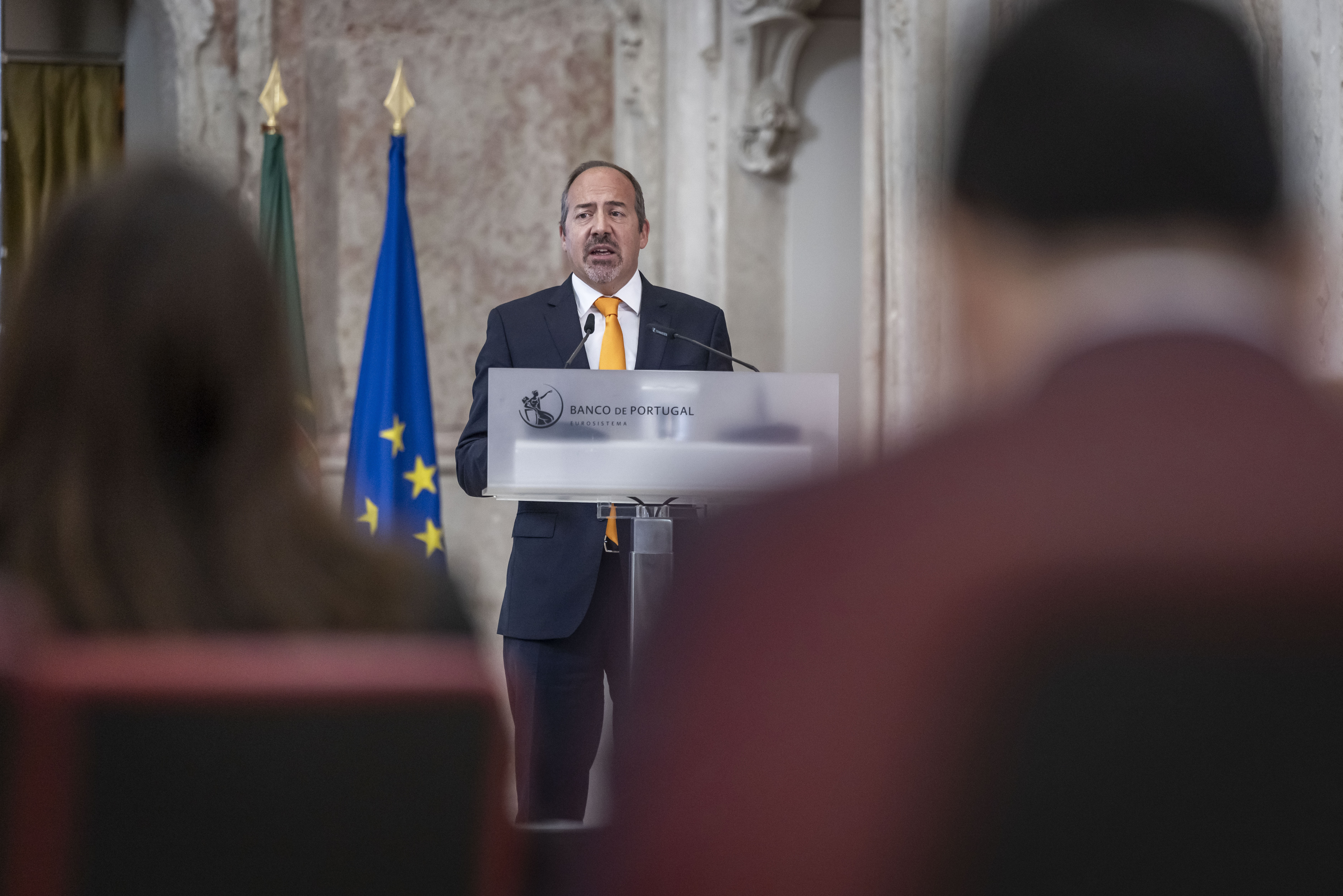
Álvaro Santos Pereira, Governor of the Bank of Portugal, suggests that the country should actively attract highly qualified immigrants to address labour market needs. The report highlights that many immigrants, particularly Brazilians, struggle with the bureaucratic revalidation of their academic credentials, leading to a significant portion of highly educated professionals working outside their fields of expertise. The data shows that immigrants, with an average age of 33, are a vital part of the Portuguese workforce, contributing significantly to social security while relying less on social benefits than the native population.
The assessment of the protocol for granting work visas to immigrants in their countries of origin was considered “positive” by the executive. About 60% of the applications are for the agricultural sector.

The candidate backed by Chega was questioned about the need for foreign labour in some industries in Portugal.

Portugal is among the European countries least able to attract highly qualified immigrants. According to data released on Tuesday by Eurostat, across the European Union (EU) more than 78,000 residence and work authorisations for qualified foreigners were granted in 2024. Of these, only 16 were issued by Portugal. "In ...

An examination of the barriers and gaps that prevent Portuguese companies from attracting, developing or retaining skilled workers.
Censo Tech found that roughly 57% of IT professionals arriving from Brazil to Portugal were already employed when they arrived.

Home News Immigrant workforce nine years younger than Portuguese Immigrant workforce nine years younger than Portuguese Immigrants working in Portugal are, on average, nine years younger than the Portuguese workforce.

Immigrants working in Portugal are, on average, nine years younger than the Portuguese workforce, according to a statistical analysis released this Tuesday. According to a study by the Prepara Portugal platform, based on cross-referenced data from the National Statistics Institute (INE) and the Agency for Integration, Migration and Asylum ...