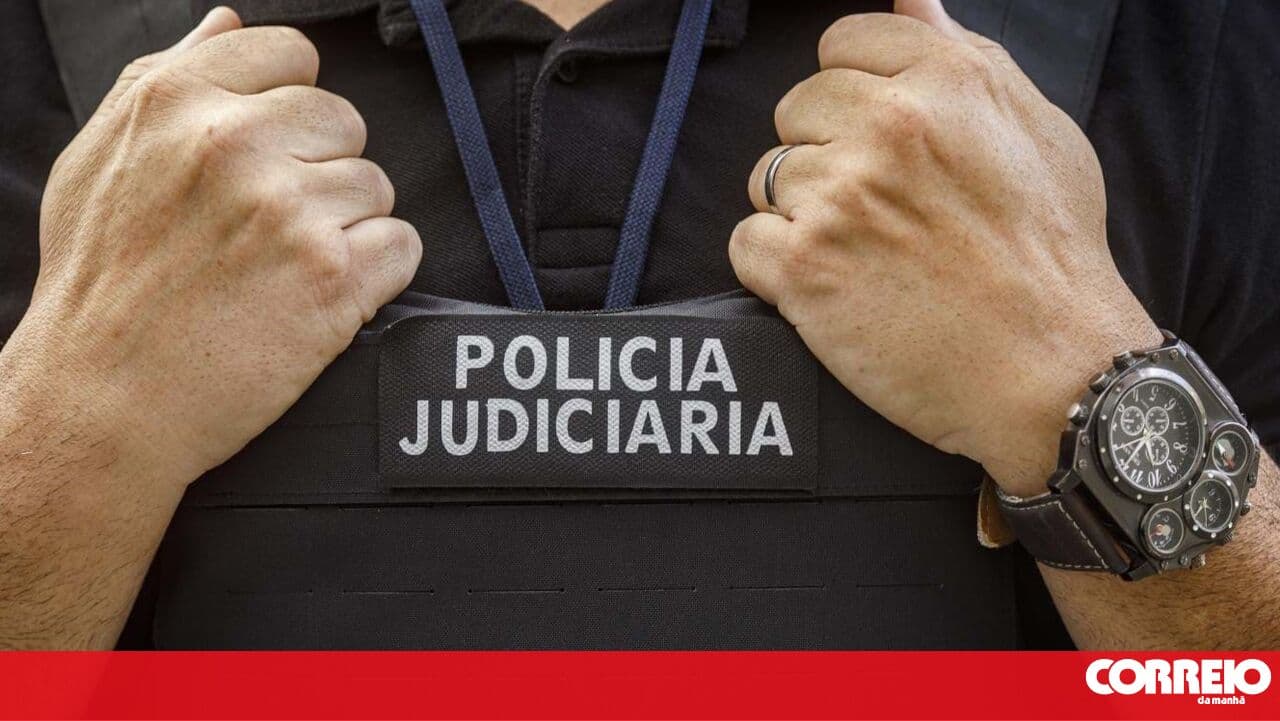
The Republican National Guard (Guarda Nacional Republicana or GNR) recorded 193 cases of fraud involving impostors posing as law enforcement or regulatory agents between January 2024 and May. Criminals commonly impersonated inspectors from the Judiciary Police (Polícia Judiciária or PJ) and the Food and Economic Security Authority (Autoridade de Segurança Alimentar e Económica or ASAE) to demand immediate cash payments from business owners and families. Authorities warned that scammers targeted victims primarily during daytime hours on Thursdays and Fridays.
GNR Warns of Surge in Fake Police Scams
Saturday, 10 October 2026AI summary
Context & Explainers

The PJ (Polícia Judiciária) is Portugal's national criminal investigation police agency, founded in 1945. Operating under the Ministry of Justice and supervised by the Public Ministry (prosecutors), the PJ is a "higher criminal police body" specializing in serious and complex crimes. Mission: The PJ assists judicial and prosecuting authorities by investigating terrorism, organized crime, homicide, kidnapping, drug trafficking, corruption, cybercrime, financial crime, and money laundering. It conducts forensic examinations, operates Portugal's Interpol and Europol liaison offices, and maintains specialized units including the National Counterterrorism Unit and National Anti-Corruption Unit. Difference from PSP/GNR: While PSP (civilian urban police) and GNR (military rural police) focus on preventive policing, public order, and investigating minor crimes, the PJ exclusively handles serious crime investigation requiring specialized technical and scientific expertise. PSP and GNR report to the Ministry of Internal Affairs; PJ reports to the Ministry of Justice. PJ officers receive higher pay and prestige but face greater operational risk.
ASAE is the Autoridade de Segurança Alimentar e Económica (Authority for Food and Economic Safety), Portugal’s agency responsible for food-safety inspections, market surveillance and enforcement against illegal economic activity. It can inspect premises, seize unsafe or non-compliant goods, issue fines and stop sales — so businesses, restaurants and importers must comply with its rules and consumers can report problems to it.