US President Donald Trump announced an immediate increase in temporary tariffs on nearly all US imports from 10% to 15%, saying the rise follows a domestic court decision affecting his earlier programme. The move could ripple through global trade and affect exporters and supply chains; Portuguese businesses that trade with or supply to US markets should monitor price and delivery impacts. Importers and exporters should track further US announcements and assess short‑term cost adjustments.
US raises temporary tariffs to 15 percent
Saturday, 21 February 2026AI summary
Context & Explainers
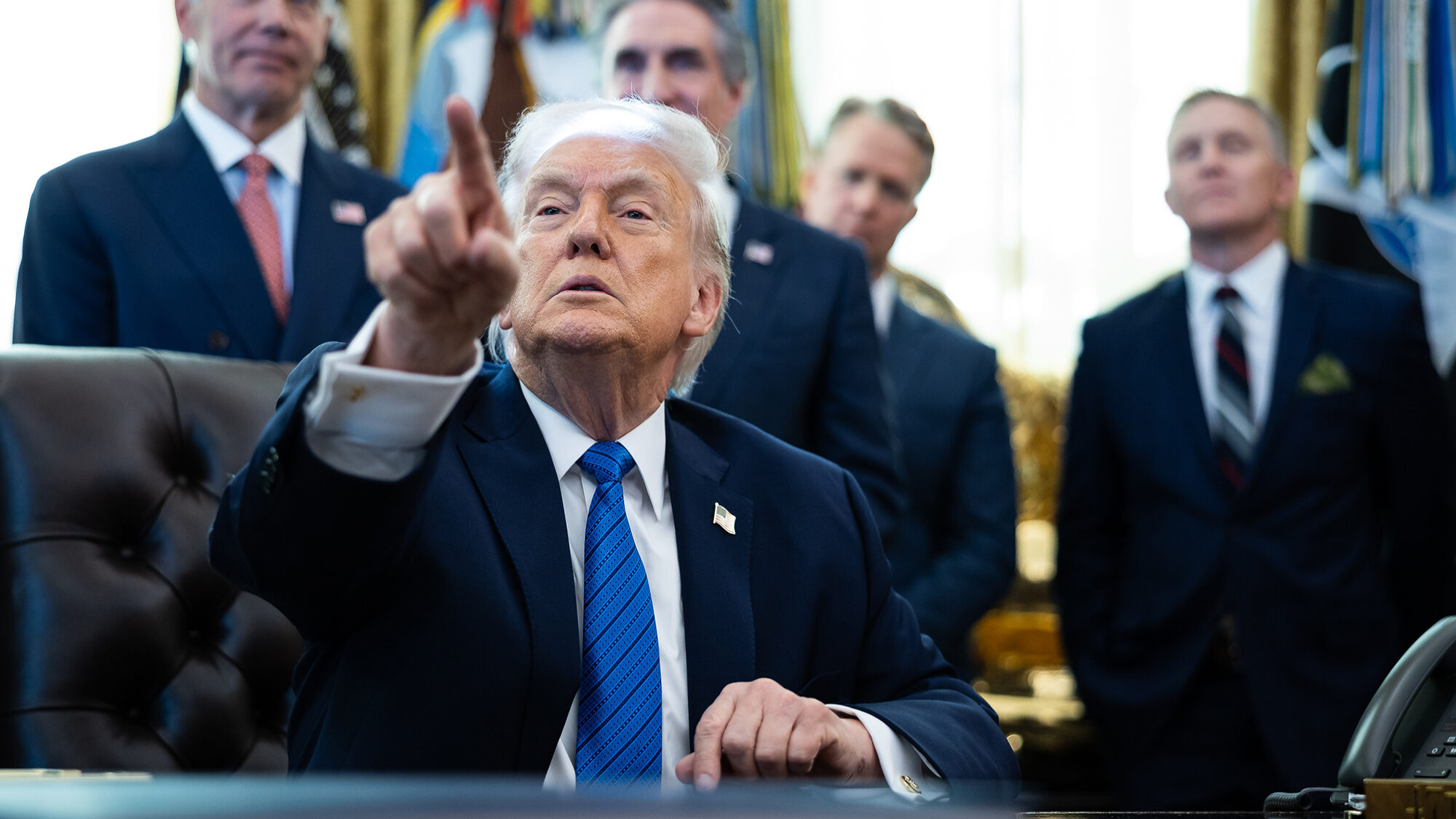
Donald John Trump (born June 14, 1946, in Queens, New York) is the 47th and 45th President of the United States, serving from 2017-2021 and again from January 20, 2025. A real estate developer and former reality television host, he previously owned the Trump Organization and hosted The Apprentice. He is the second president to serve non-consecutive terms after Grover Cleveland, the oldest to assume the presidency, and the first convicted felon to hold office. He defeated Kamala Harris in November 2024, winning 312 electoral votes. Comments / Relationship with Portugal:
Trump met President Marcelo Rebelo de Sousa at the White House in June 2018, praising the "tremendous relationship" between the nations and noting 1.5 million Portuguese-Americans. They discussed NATO defense spending, energy diversification, and bilateral ties. In August 2025, Marcelo controversially called Trump "objectively a Soviet or Russian asset". Trump's 2025 administration sent letters to Portuguese companies requiring abandonment of diversity, equity, and inclusion programs under his anti-DEI executive order. Portugal's Defense Minister cited Trump's unpredictable NATO stance when considering European jets over American F-35s to replace aging F-16s.
Tariffs are taxes a country charges on imported goods, collected at customs to make those imports more expensive. The article says the US will raise temporary tariffs from 10% to 15% (the maximum allowed by law), which typically raises costs for importers and consumers and can disrupt supply chains and exports from countries such as Portugal.