Portugal assessed at high Chikungunya transmission risk

Thursday, 19 February 2026AI summary
Portugal assessed at high Chikungunya transmission risk
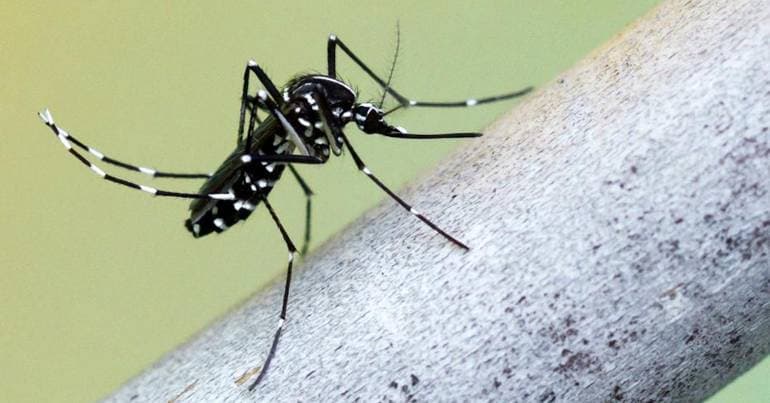
Photo: Observador

Observador reports that public-health assessments place Portugal at heightened risk for Chikungunya virus transmission this season. Health authorities and local clinics may increase surveillance and vector-control efforts; travellers and residents should avoid mosquito exposure and seek care for fever or joint pain. Those relying on public healthcare should be aware of possible upticks in clinic demand.

Update: Observador: Portugal at high Chikungunya risk

Observador's assessment again places Portugal at elevated transmission risk this season and says health services may scale up surveillance and mosquito-control measures; residents should watch for fever and joint pain and seek medical care if symptoms develop.

Context & Explainers

Chikungunya is a mosquito‑borne virus (carried mainly by Aedes species) that causes fever, joint pain and fatigue; most people recover but some have long-lasting joint problems. Warmer temperatures expand the habitat and season for the transmitting mosquitoes, so climate-driven warming can raise the risk of local transmission in parts of Europe and increase the chance of outbreaks.

Public health focuses on preventing disease and protecting the health of whole populations through surveillance, policy, vaccination, health promotion and environmental measures (often called saúde pública). Training in public health prepares professionals to detect outbreaks, plan responses and reduce risks from threats like new infections or environmental hazards that affect communities in Portugal and abroad.

Mosquito season in Portugal runs roughly from April to October, peaking in the warmest months (July–September), which increases bite exposure and the chance of mosquito-borne infections. Locally transmitted cases are uncommon but possible — species like Culex can carry West Nile and the expanding Asian tiger mosquito (Aedes albopictus) can transmit dengue or chikungunya — so residents should use repellents, keep windows/screens closed, remove standing water, and see a doctor for fever, rash or severe joint pain after mosquito bites.

Source (1)

Continue reading