The Lisboeta

easyJet sees TAP privatisation as an opportunity to grow in...

Friday, 16 January 2026AI summary
easyJet sees TAP privatisation as an opportunity to grow in...

easyJet views the planned privatisation of TAP as a strategic opening to expand its presence in Lisbon and across Portugal. With the airline operating 96 routes to and from Portuguese airports in 2025, easyJet could deepen low-cost connectivity, increase frequencies on key city-pairs and compete more directly with a newly structured national carrier. The shift promises greater competition, potential downward pressure on fares and improved network connectivity, but also raises questions about airport slot availability, regulatory oversight and how market dynamics will affect legacy and low-cost carriers alike.

Update: New coverage quotes easyJet’s Portugal management saying that TAP’s reprivatisation could free up slots at Lisbon airport and that the airline aims to take up those slots; RTP and Portugal Resident report easyJet sees the change as a concrete growth opportunity in the capital.

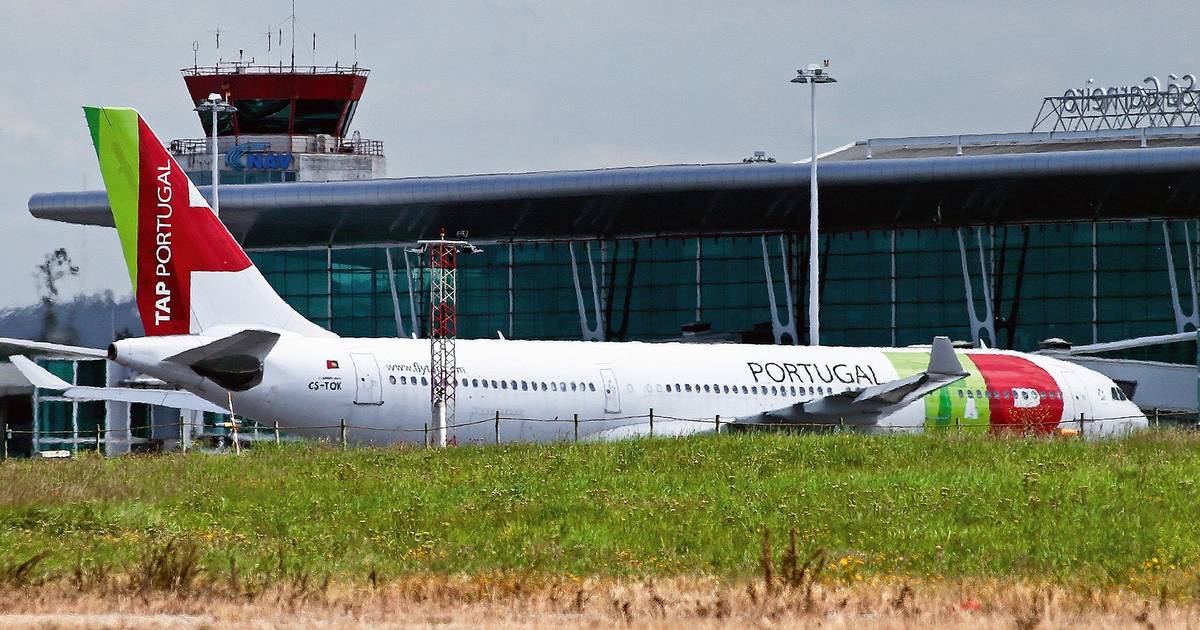
Context & Explainers

TAP Air Portugal is Portugal’s flag-carrier airline, founded in 1945 and based at Lisbon’s Humberto Delgado Airport, operating domestic, European and intercontinental routes. For expats it matters because TAP runs many of the main connections to Portugal (including transatlantic routes), so its schedules, fares and operational decisions directly affect relocation, visits and shipping of household goods.

Airport slots are time-limited permissions to take off or land at congested airports during specific time windows, managed under national and international rules so capacity is used efficiently. At busy airports where slots are scarce, releases or trades of slots (for example after an airline reduces operations) let other carriers expand routes, which is why easyJet would want slots freed at Lisbon.

What is RTP?

RTP (Rádio e Televisão de Portugal) is Portugal's state-owned public service broadcaster, operating since 1935 (radio) and 1957 (television). It runs 8 television channels (including RTP1, RTP2, RTP3) and 7 radio stations (Antena 1, 2, 3), plus international services reaching Portuguese diaspora worldwide. Funded by a broadcasting tax on electricity bills and advertising revenue, RTP serves as Portugal's cultural reference, providing quality news, education, and entertainment. Its archive represents "irreplaceable heritage in Portuguese collective memory", and it pioneered online streaming with RTP Play in 2011. RTP connects "Portugal and the Portuguese to themselves, to each other, and to the world"

Sources (3)

Continue reading