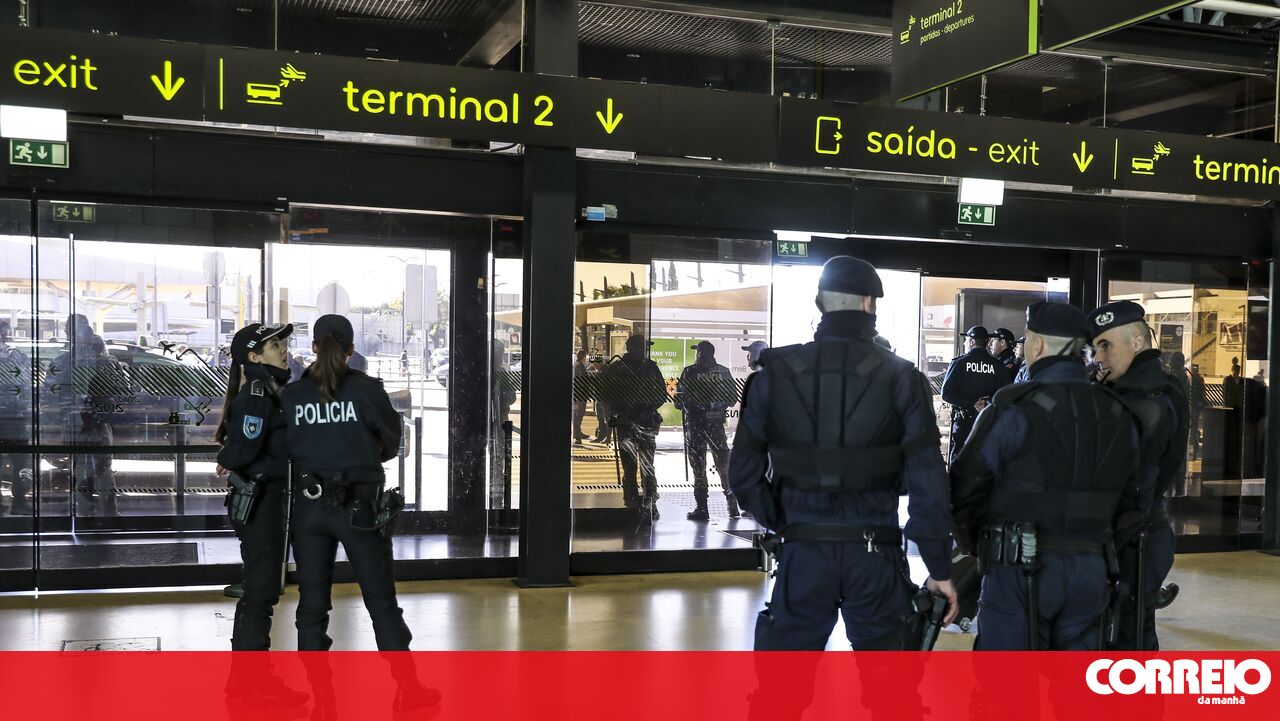
Police summary reporting shows the Polícia de Segurança Pública (PSP) identified 56 illegally occupied accommodation units in the Porto metropolitan area during 2025, housing around 900 foreign nationals; the enforcement campaign included hundreds of operations, resulted in dozens of detentions (reports cite 63) and several administrative offences. Coverage highlights poor conditions in many premises (overcrowding, hygiene and safety problems). Those renting or looking for accommodation in Porto should check leases and report suspected illegal or unsafe housing to local authorities.
PSP found 56 illegal homes housing ~900 foreigners
Tuesday, 13 January 2026AI summary

Context & Explainers

The PSP (Polícia de Segurança Pública) is Portugal's national civilian police force, founded in 1867. Responsible for defending Republican democracy and safeguarding internal security and citizens' rights, the PSP polices major cities—Lisbon, Porto, Faro—and large urban areas, covering only 4% of Portugal's territory but roughly half the population. Led by a National Director under the Ministry of Internal Affairs, its approximately 21,500 officers handle preventive policing, crime investigation, public order, airport security, diplomatic protection, private security regulation, firearms licensing, and border control (since 2023).
PSP vs. GNR: The PSP is civilian with police-focused training and urban jurisdiction, while the GNR (Guarda Nacional Republicana) is military (gendarmerie) with military training, covering 96% of Portugal's rural and suburban territory. Both share core public safety missions but differ fundamentally in nature, training, and geographic responsibility.
An alojamento ilegal (illegal accommodation) refers to lodging or housing that operates without the required licences, safety approvals or registration—this can mean unlicensed short‑term rentals, overcrowded units or informal lodgings. For expats, using or renting such places risks eviction or fines for owners, reduced consumer protections and potential health or safety issues, and authorities may inspect and close premises suspected of operating illegally.
Sources (4)
- PSP detained 63 illegal foreign nationals in the Greater Porto area aloneCorreio da Manhã · 8:21am, 13 Jan 2026
- Porto: PSP identified 56 illegally occupied dwellingsObservador · 11:52am, 13 Jan 2026
- PSP identified 56 illegal accommodation units occupied by 900 foreigners in Porto last yearCNN Portugal · 10:31am, 13 Jan 2026
- PSP identified 56 illegal housing units occupied by 900 foreign nationals in the Porto metropolitan areaDiário de Notícias · 10:47am, 13 Jan 2026