On Sunday, April 12, Hungary holds parliamentary elections, which Politico has already described as the most important in the European Union this year. The significance is evident in the intensity of the propaganda machines during the campaign, with many influential opinion outlets identifying Viktor Orbán and his Fidesz party as the primary adversaries of federalist, progressive, and globalist values. Orbán and Fidesz represent European conservative nationalism and have prioritised the battle of ideas and culture. Since returning to power in 2010, Fidesz has shifted from the European People's Party toward sovereignist and conservative positions on family and social issues, resisting the 'woke' agenda. This led to a rift, culminating in Fidesz's departure from the EPP in 2021. In 2024, Hungarian national-conservatives joined the Patriots for Europe, now the third-largest group in the European Parliament, alongside parties like France's Rassemblement National and Portugal's Chega. The election transcends domestic politics, with polls showing Peter Magyar's Tisza party leading Fidesz. Magyar, a former Fidesz member, positions himself as right-wing while advocating for a constructive relationship with Moscow. Amidst tensions over the Druzhba pipeline and the Russia-Ukraine conflict, the stakes are high, with figures like JD Vance visiting Hungary to support Orbán.
The election of the year

Context & Explainers
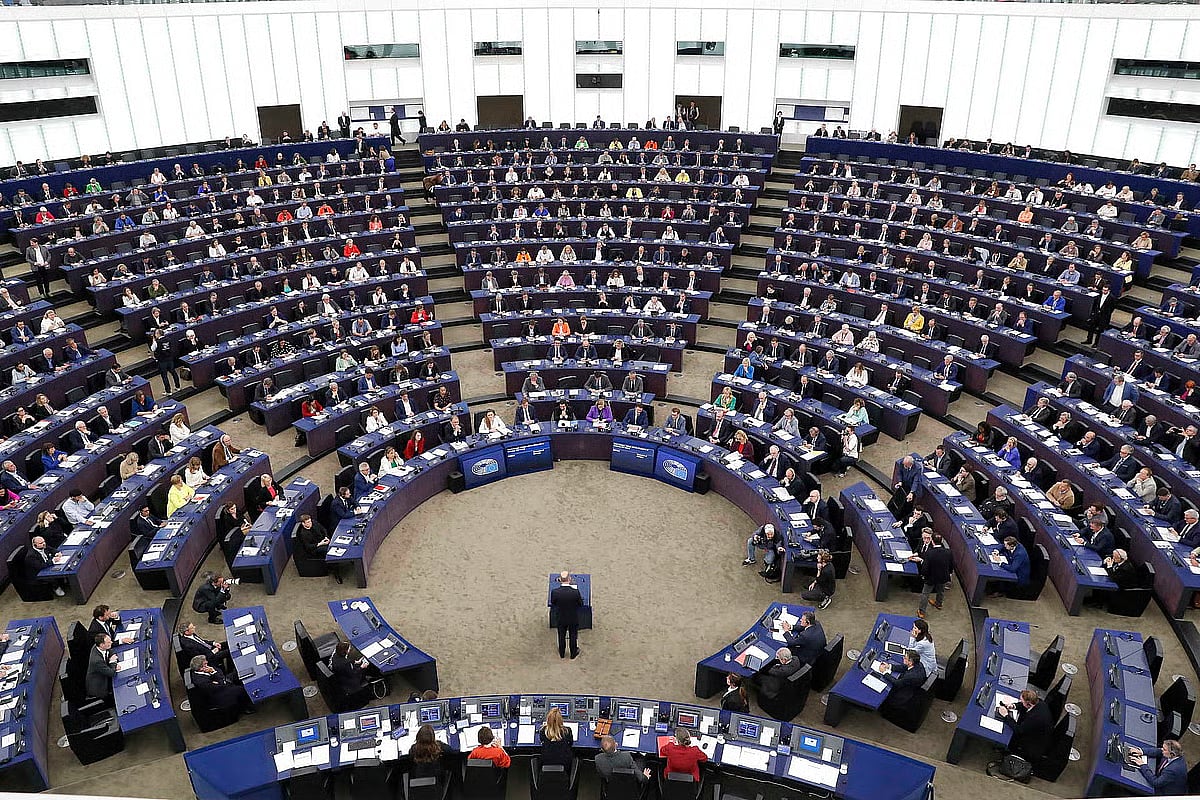
The European Parliament is the directly elected legislative body of the European Union, with 720 members (MEPs) elected every five years by citizens of all 27 member states. Portugal elects 21 MEPs through proportional representation.
The Parliament co-legislates with the Council of the EU on most EU law, approves the EU budget, and scrutinizes EU institutions including the European Commission. Its decisions affect Portuguese citizens through EU regulations on trade, agriculture, environmental standards, consumer protection, digital markets, and more.
Portuguese MEPs sit in European political groups aligned with their domestic parties — for example, PS MEPs in the Socialists & Democrats (S&D), PSD/CDS in the European People's Party (EPP), and Chega in the Patriots for Europe group. Key committees where Portuguese interests feature prominently include fisheries, cohesion policy, and economic affairs.

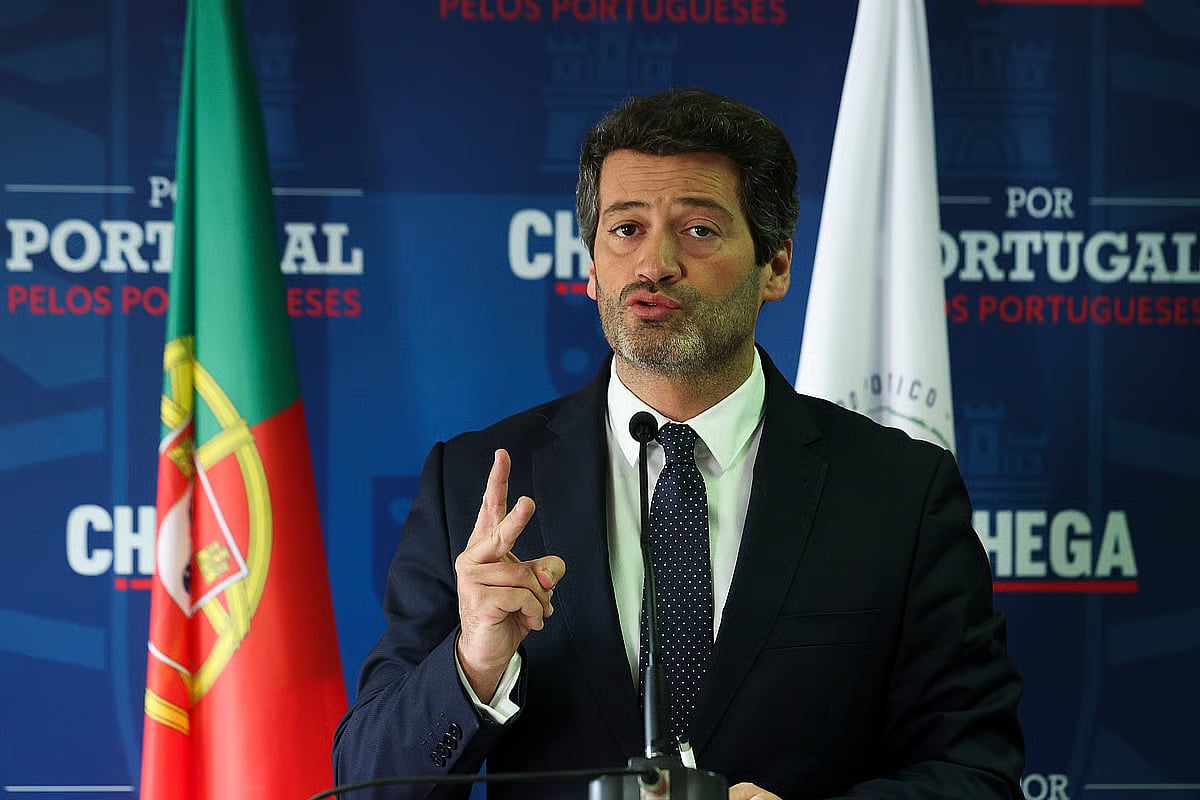
Chega ("Enough") is a Portuguese far-right populist party founded in 2019 by André Ventura. It positions itself as an anti-establishment movement against what it calls a "rotten and corrupt system" of PS-PSD dominance. The party surged from 1.3% in 2019 to 22.8% in May 2025, becoming parliament's second-largest force with 60 seats. Chega's core platform emphasizes strict immigration control—ending automatic CPLP residency, deporting non-independent immigrants, implementing job-market quotas, and requiring five-year social security contributions before benefit access. It advocates radical constitutional reform, including reducing parliament to 100 members, abolishing the prime minister position for a presidential system, and dismantling public healthcare. Law-and-order policies include life imprisonment and chemical castration proposals.
The party is defined by inflammatory anti-Romani rhetoric, with Ventura convicted multiple times for discrimination. Chega maintains international alignments with European far-right figures including Marine Le Pen, Santiago Abascal, and Matteo Salvini. Mainstream Portuguese parties, including Prime Minister Luís Montenegro's government, have imposed a cordon sanitaire, refusing coalition with Chega despite its parliamentary strength.