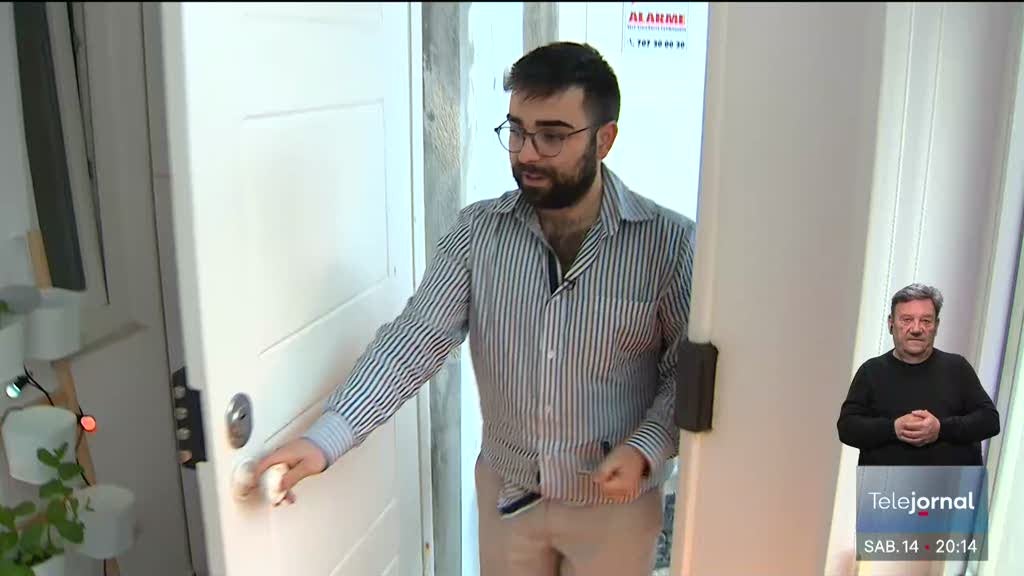
Despite Euribor edging down to around 2%, many borrowers remain cautious: mixed-rate mortgage deals continue to dominate both new contracts and renegotiations, and some households are choosing to extend the fixed portion of their repayments rather than switch to variable rates. Mortgage brokers are playing a growing role, advising on re-fixing instalments, comparing mixed vs fixed options, and arranging refinancing to manage payment certainty amid ongoing market uncertainty.
Fall in Euribor fails to convince — some families are extending the fixed period on their mortgage instalment
Sunday, 25 January 2026RSS

Context & Explainers
Euribor (Euro Interbank Offered Rate) is the benchmark interest rate at which major European banks lend to each other. It directly affects most variable-rate mortgages in Portugal, where the vast majority of home loans are indexed to 3-month, 6-month, or 12-month Euribor rates.
When Euribor rises, monthly mortgage payments increase at the next review date; when it falls, payments decrease. The European Central Bank's (ECB) monetary policy decisions are the primary driver of Euribor movements — rate hikes push Euribor up, while cuts bring it down.
Euribor peaked above 4% in late 2023 after aggressive ECB tightening, then gradually declined through 2024–2025 as the ECB began cutting rates. Portuguese homeowners with variable-rate mortgages should track Euribor trends and their mortgage review dates to anticipate payment changes.