There is about a week left until the start of the IRS tax return filing period — and you might be about to lose money without knowing it. In this special episode of Contas-poupança, I speak with Paula Franco, head of the Order of Certified Accountants, to explain, in a clear and practical way, what you really need to check before clicking the 'submit' button.
IRS tax return filing: find out what to check to increase your refund and not leave money behind
Friday, 20 March 2026RSS

Context & Explainers
The IRS withholding tables (tabelas de retenção na fonte) are government-published schedules that determine how much personal income tax (Imposto sobre o Rendimento das Pessoas Singulares — IRS) employers must deduct from each paycheck. They take into account gross pay, marital status, number of dependents, and disability status.
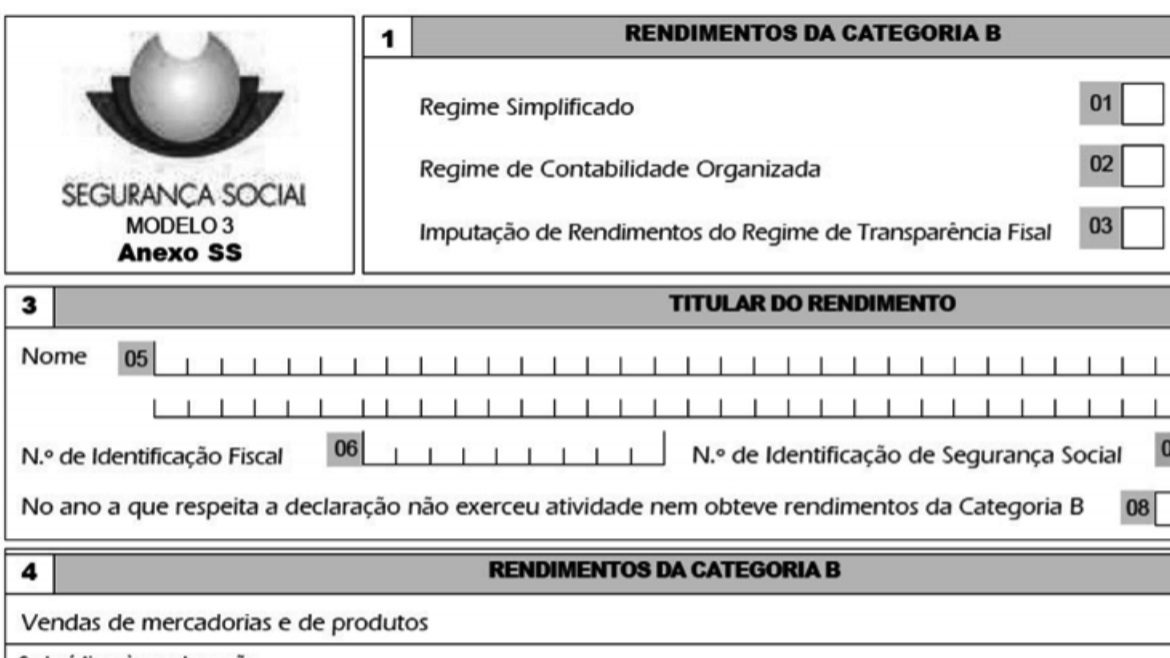
The tables are updated annually (and sometimes mid-year when budgets change), directly affecting monthly take-home pay. When tables are revised downward, workers see more in their pay packet; when raised, less. Any difference between amounts withheld and the actual tax owed is settled when the annual IRS return (Modelo 3) is filed, typically between April and June.
Employees and pensioners should check the current tables — published by the Autoridade Tributária e Aduaneira (AT) — whenever they change, as the impact on net income can be significant.
Housing fiscal measures are government tax changes or incentives aimed at the property market — examples include changes to property tax (IMI Imposto Municipal sobre Imóveis), stamp or transfer taxes (IMT Imposto Municipal sobre Transmissões Onerosas de Imóveis) and income‑tax (IRS Imposto sobre o Rendimento das Pessoas Singulares) deductions for renovations or rental incentives. The estimated €200–300 million budgetary cost shows the measures have a meaningful impact on public finances and signals whether the government is prioritising tax relief for homeowners, landlords or construction, which can affect property prices and rental markets that matter to expats.