The deadline for filing the IRS tax return has begun, and those living in Portugal, including foreign citizens, need to be aware. By the end of June, taxpayers must submit their income tax declaration via the Finance portal. Unlike the Brazilian Income Tax, the Personal Income Tax (IRS) does not track a citizen's net worth, only their income. For example, the purchase of a property does not need to be declared, but the amount received from the sale of an asset does. Who needs to file? Some workers are exempt, such as those earning less than 8,500 euros per year, but filing is also a way to demonstrate ties to the country, says accountant Adriana Castro, a strategy that can be useful for immigration matters. Regarding income earned in Brazil, the accountant states that all income obtained abroad must be included in the declaration. The Radar DN Brasil podcast airs every Friday at 8 am on DN Brasil's YouTube and Spotify channels, covering the week's highlights for Brazilians in Portugal.
Should income earned in Brazil be declared in Portugal? Get your questions about IRS answered

Context & Explainers
The IRS withholding tables (tabelas de retenção na fonte) are government-published schedules that determine how much personal income tax (Imposto sobre o Rendimento das Pessoas Singulares — IRS) employers must deduct from each paycheck. They take into account gross pay, marital status, number of dependents, and disability status.
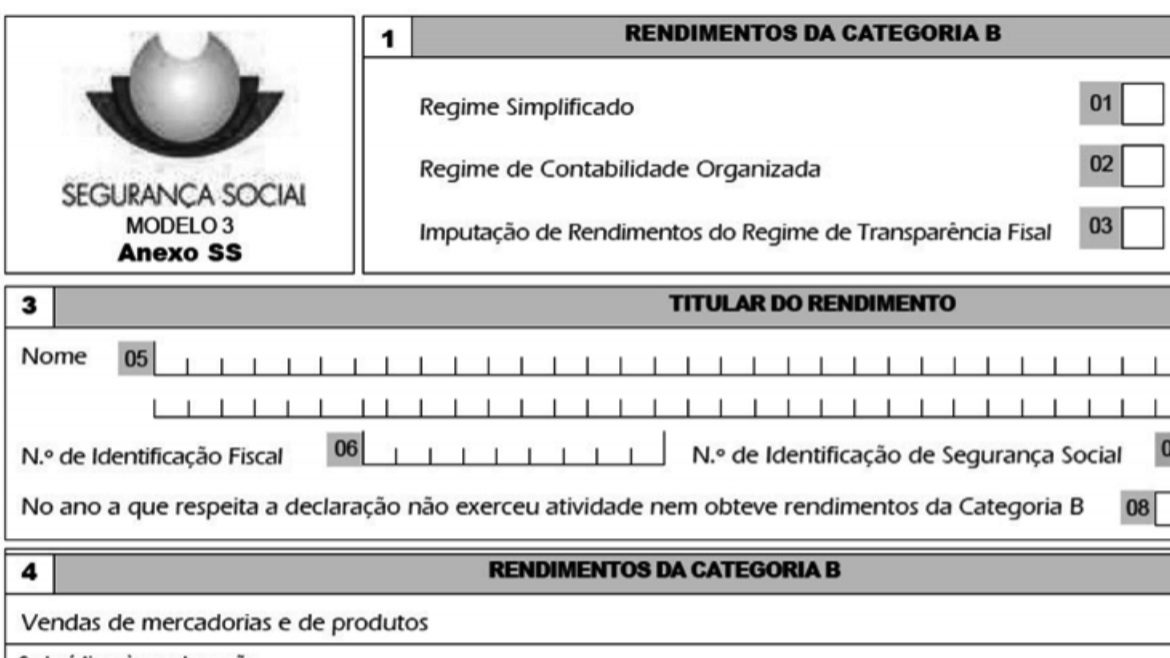
The tables are updated annually (and sometimes mid-year when budgets change), directly affecting monthly take-home pay. When tables are revised downward, workers see more in their pay packet; when raised, less. Any difference between amounts withheld and the actual tax owed is settled when the annual IRS return (Modelo 3) is filed, typically between April and June.
Employees and pensioners should check the current tables — published by the Autoridade Tributária e Aduaneira (AT) — whenever they change, as the impact on net income can be significant.
Housing fiscal measures are government tax changes or incentives aimed at the property market — examples include changes to property tax (IMI Imposto Municipal sobre Imóveis), stamp or transfer taxes (IMT Imposto Municipal sobre Transmissões Onerosas de Imóveis) and income‑tax (IRS Imposto sobre o Rendimento das Pessoas Singulares) deductions for renovations or rental incentives. The estimated €200–300 million budgetary cost shows the measures have a meaningful impact on public finances and signals whether the government is prioritising tax relief for homeowners, landlords or construction, which can affect property prices and rental markets that matter to expats.