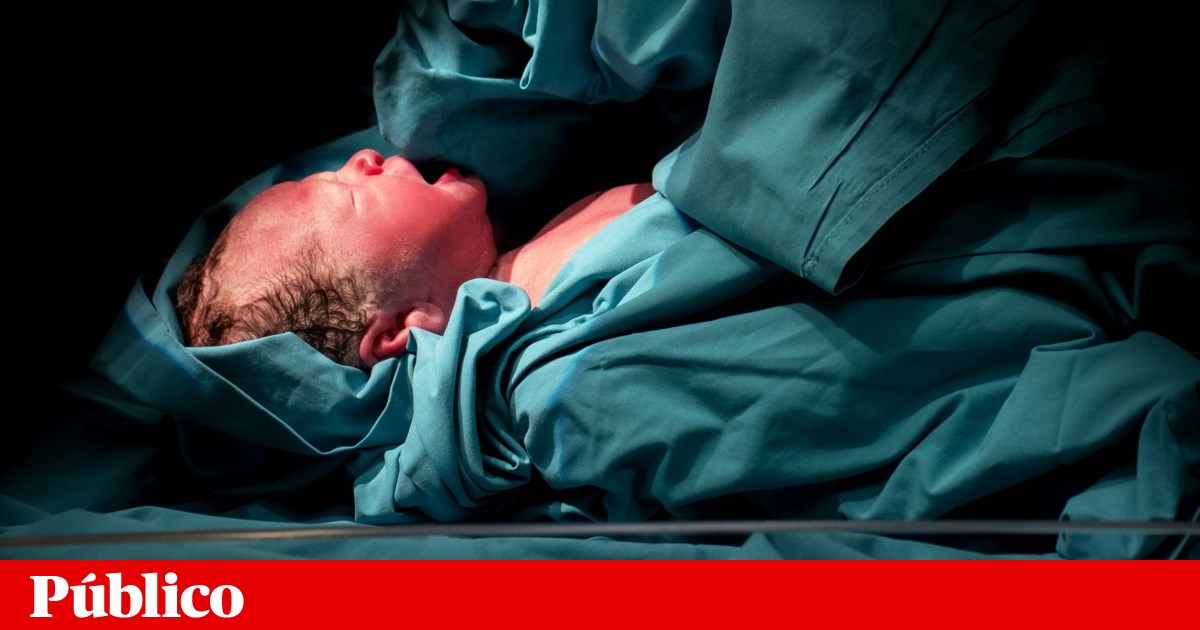
Two of the maternity hospitals with the highest number of births in Portugal are private institutions, a shift that analysts link to the country’s rising caesarean rate, now at a record high. The expansion of deliveries in the private sector appears to be a key driver of growing caesarean use nationally, while within the SNS the public unit with the most births is Maternidade Alfredo da Costa. The pattern raises questions about clinical practice variation between sectors, implications for maternal and neonatal outcomes, and the need for policy and oversight to address incentives and standardise care.
The two maternity hospitals with the most births in Portugal are private and this has helped push up the caesarean rate
Saturday, 17 January 2026RSS
Context & Explainers
ULS Alto Ave is the Alto Ave Local Health Unit (Unidade Local de Saúde do Alto Ave), a public body that runs hospitals and some primary-care services for the Ave area in northern Portugal. It is part of the National Health Service (Serviço Nacional de Saúde or SNS), and recent staff strikes have affected overtime and complementary work, so residents should check local hospital notices before visiting.
The ULS of the West is the Western Local Health Unit (Unidade Local de Saúde do Oeste), a regional public health body that runs hospitals and primary-care services in the Oeste (West) area as part of the SNS (Serviço Nacional de Saúde). It uses real-time pharmacy data on flu symptoms to adjust emergency teams and resources during outbreaks or other health pressures.
An Unidade de Saúde Familiar (family health unit) is a multidisciplinary primary-care clinic within Portugal's National Health Service (Serviço Nacional de Saúde or SNS) where GPs, nurses and other staff keep registered patient lists and provide routine care, appointments and specialist referrals. For residents and expats, being registered with a family health unit gives you a regular GP, easier access to prescriptions and referrals, and a clear route into the public health system.
Family medicine (Medicina Geral e Familiar) is the medical specialty that provides continuous primary care through family doctors who manage common illnesses, chronic diseases and preventive care. In Portugal these specialists are the backbone of the SNS (Serviço Nacional de Saúde); the story notes 57 doctors finished the specialty and 38 stayed in the NHS, giving family doctors to about 77,500 patients.
Hospital de Braga is the main public hospital serving the Braga district and is part of Portugal's national health service (Serviço Nacional de Saúde or SNS). It provides emergency care and specialist services including oncology, and recent reports said cancer patients there complained of medicine shortages, so residents should check with their doctor or local pharmacy before appointments.