The Minister of the Presidency, António Leitão Amaro, dismissed any possibility of a merger between the news agency Lusa and the public broadcaster RTP on Thursday, March 12. He argued that the new statutes reduce government influence and questioned why the Socialist Party (PS) never established an Independent General Council during their time in power. Leitão Amaro defended the changes, stating they increase transparency and limit executive power, while also announcing plans to strengthen Lusa's capital and revise its public service contract to lower costs for media outlets. Meanwhile, Lusa employees held protests in Lisbon and Porto against the restructuring and the new governance model.
Minister of the Presidency rules out merger between Lusa and RTP and says new statutes reduce government control
Thursday, 12 March 2026RSS
Context & Explainers
The government is amending the statutes of Lusa, Portugal's national news agency, to make the organization more professional and less influenced by political shifts. It is the primary source for breaking news and official reports, providing content to media outlets across the country. Those following local news should note that Lusa is often the first to report on government announcements and legislative changes.

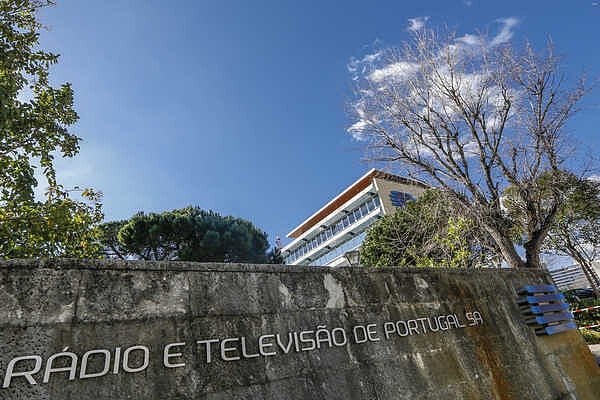
RTP (Rádio e Televisão de Portugal) is Portugal's public service broadcaster, operating television channels (RTP1, RTP2, RTP3, RTP Memória, RTP Internacional, RTP África), radio stations (Antena 1, Antena 2, Antena 3, RDP Internacional, RDP África), and the RTP Play streaming platform.
Founded in 1955 (television) and 1935 (radio, as Emissora Nacional), RTP is funded through a monthly audiovisual contribution (Contribuição para o Audiovisual, CAV) included in electricity bills, plus limited advertising revenue. It operates under a public service concession that mandates news independence, cultural programming, and coverage for Portuguese-speaking communities worldwide.
RTP plays a central role in Portuguese public life — it hosts the main political debates during elections, produces news programming, and broadcasts major national events. Its editorial independence and funding model are recurring subjects of political debate, with some parties advocating for privatization or restructuring of the public broadcaster.