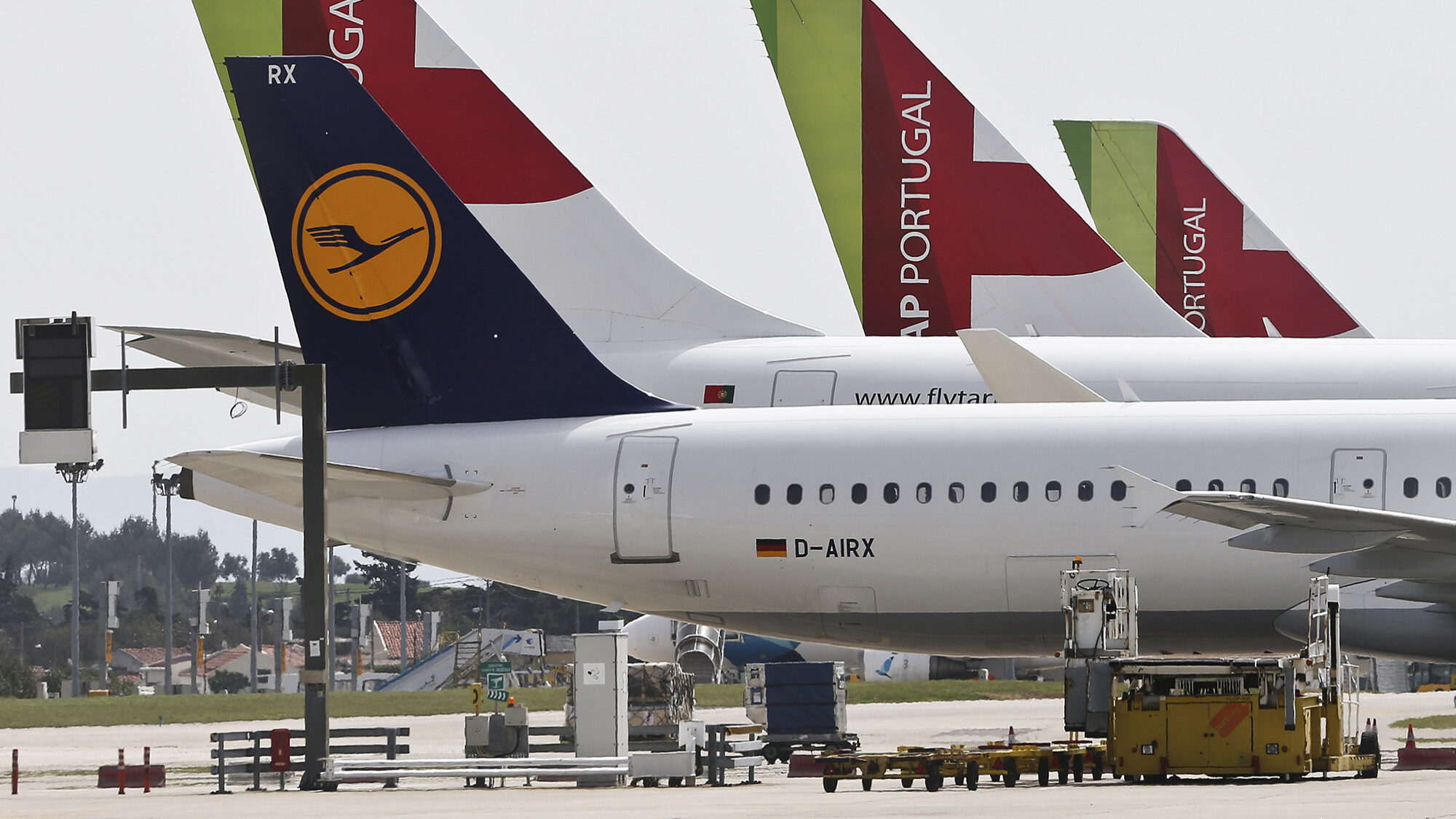
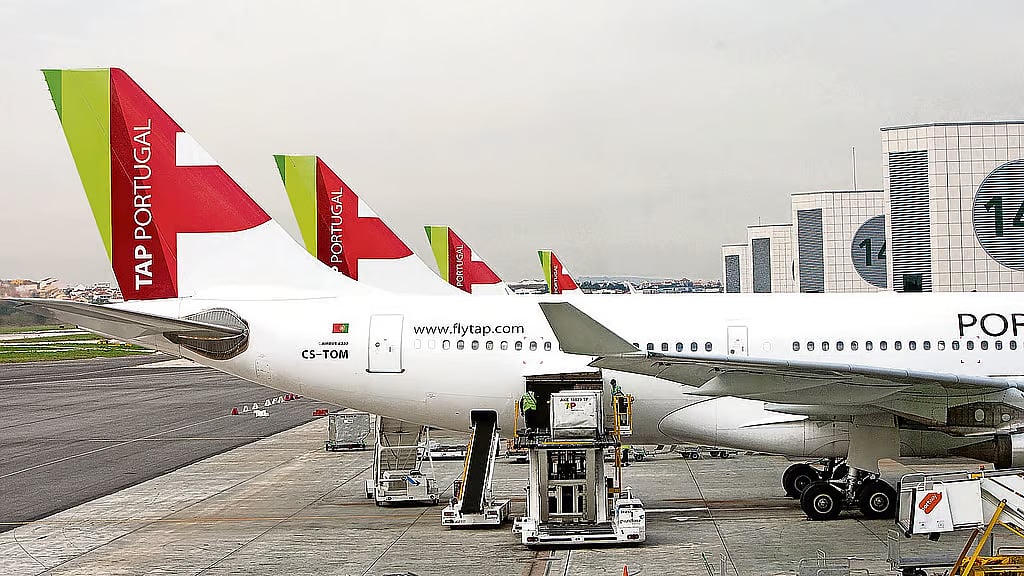
Prime Minister Luís Montenegro stated that the privatisation of TAP will not move forward unless the airline's commitment to all national airports is secured. He also urged Vinci to accelerate investments in Portuguese airports, noting that Portugal is the company's most profitable operation globally.
TAP: Montenegro says privatisation will only proceed if commitment to airports is guaranteed
Monday, 16 March 2026RSS

Context & Explainers

TAP Air Portugal is Portugal’s flag-carrier airline, founded on 14 March 1945 as Transportes Aéreos Portugueses. It began operations in 1946 with Lisbon–Madrid and quickly opened the long “Linha Aérea Imperial” to Angola and Mozambique, symbolically linking mainland Portugal to its overseas territories. TAP entered the jet age in the 1960s, became Europe’s first all‑jet airline in 1967, and rebranded as TAP Air Portugal in 1979. Nationalised after the 1974 Carnation Revolution, it went through cycles of partial privatisation and renationalisation, remaining a strategic state‑controlled company due to its role in connectivity, tourism, exports, and the Portuguese diaspora, especially to Brazil, Africa, and North America. Today TAP operates an all‑Airbus fleet from its Lisbon hub, marketing itself as a bridge between Europe, Africa, and the Americas and as a key economic and symbolic asset for Portugal.