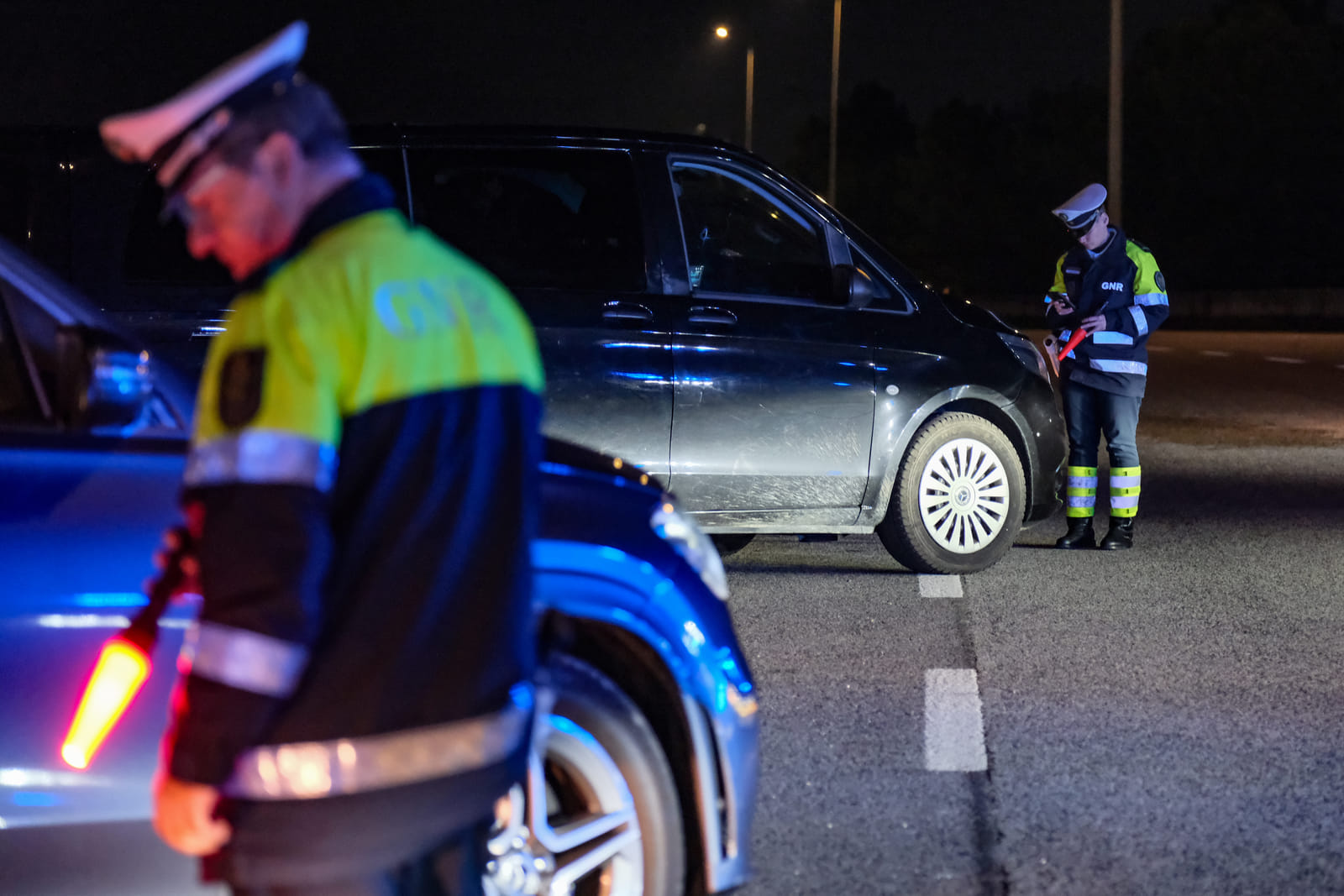
The Minister of Internal Administration announced on Wednesday, April 15, that the government will draft a new Highway Code and reactivate the GNR Traffic Brigades (extinguished in 2007) in response to the high level of accidents on national roads. Luís Neves stated that 40 short-term measures will be implemented, including increased enforcement, with police 'stop' operations no longer being announced in advance, more speed cameras, and changes to penalties and traffic offences. Neves also announced stricter criteria for the revocation of driving licences and harsher punishments for drink-driving, while pledging to combat the statute of limitations on traffic offence proceedings by extending them to the maximum legal limit.
Ministry of Internal Administration announces new Highway Code and the return of GNR Traffic Brigades
Wednesday, 15 April 2026RSS
Context & Explainers

The GNR (Guarda Nacional Republicana) is Portugal's national gendarmerie—a military police force founded in 1911, with origins dating to 1801. With over 22,600 personnel, GNR patrols 94-96% of Portuguese territory, covering rural areas, medium towns, and highways. Members are military personnel subject to military law, responsible for public order, customs, coastal control, environmental protection (SEPNA), firefighting/rescue (GIPS), border control, and ceremonial guards. GNR vs. PSP: The PSP (Polícia de Segurança Pública) is Portugal's civilian police force, covering major cities (Lisbon, Porto, Faro) and large urban areas—only 4% of territory but roughly half the population. PSP handles airport security, diplomatic protection, and private security regulation. Both share core missions (public order, crime prevention), but differ in nature: GNR is military with military training; PSP is civilian with police-focused training.