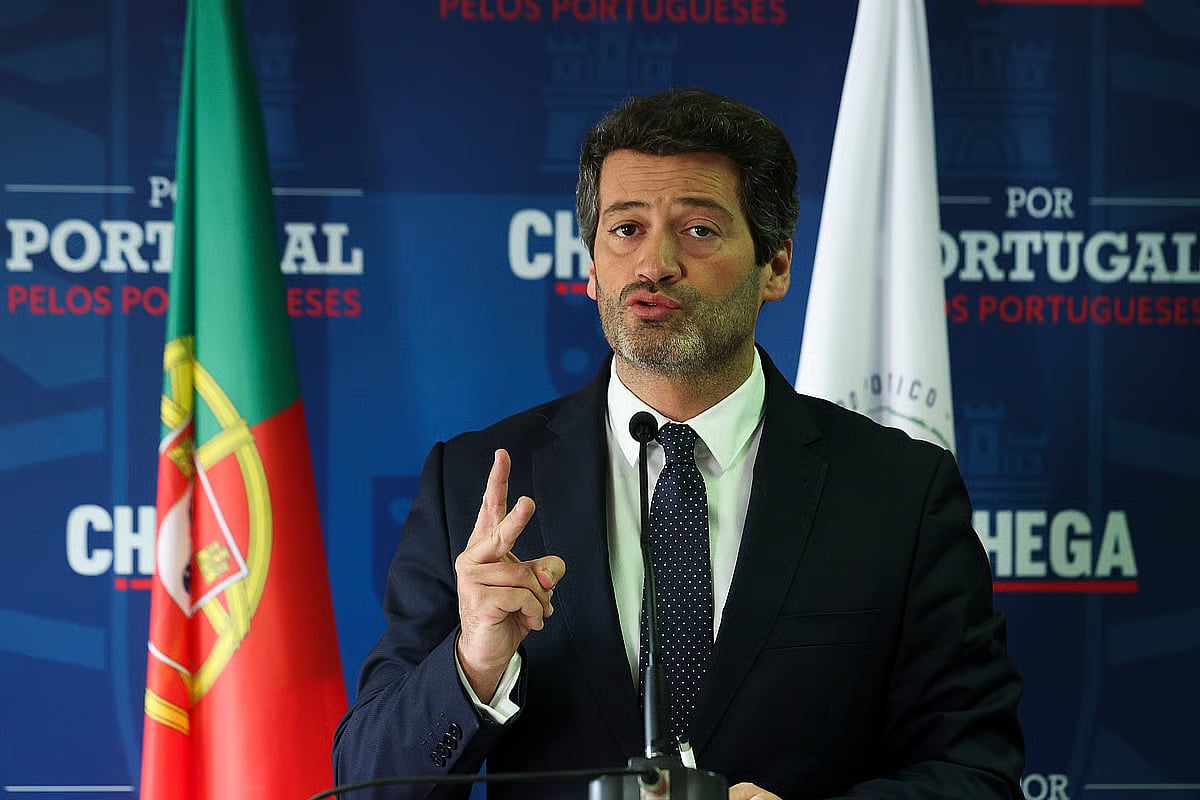
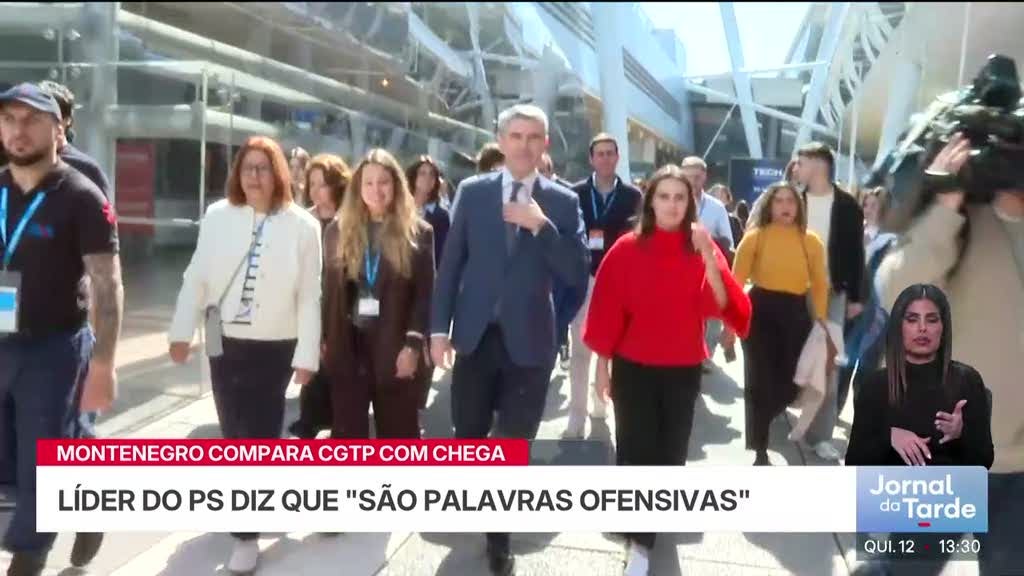
José Luís Carneiro considers the Prime Minister's words offensive, as he compared the CGTP to Chega.
Carneiro considers Montenegro's words offensive for comparing CGTP to Chega
Thursday, 12 March 2026RSS
Context & Explainers

The General Confederation of the Portuguese Workers (CGTP – Confederação Geral dos Trabalhadores Portugueses) is Portugal’s largest trade-union confederation, grouping most unions in manufacturing, public services and many other sectors.
Founded clandestinely in 1970 as “Intersindical” under the dictatorship, it emerged publicly after the 1974 Carnation Revolution and was legalised in 1975. It has been central to virtually all major labour struggles since then, from defending collective bargaining and the 40‑hour week to leading general strikes against austerity and labour‑law rollbacks.
CGTP is historically close to the Portuguese Communist Party and has a class‑struggle, anti‑neoliberal profile, strongly critical of EU and government policies seen as undermining workers’ rights. It favours grassroots mobilisation and strikes over compromise, often refusing national social‑pact deals that the more centrist UGT is willing to sign.
In today’s Portugal, CGTP remains a key actor in wage bargaining, labour‑law debates and national protests; together with UGT it called the first joint general strike in years in December 2025, signalling its continuing capacity to organise mass action.

Chega ("Enough") is a Portuguese far-right populist party founded in 2019 by André Ventura. It positions itself as an anti-establishment movement against what it calls a "rotten and corrupt system" of PS-PSD dominance. The party surged from 1.3% in 2019 to 22.8% in May 2025, becoming parliament's second-largest force with 60 seats. Chega's core platform emphasizes strict immigration control—ending automatic CPLP residency, deporting non-independent immigrants, implementing job-market quotas, and requiring five-year social security contributions before benefit access. It advocates radical constitutional reform, including reducing parliament to 100 members, abolishing the prime minister position for a presidential system, and dismantling public healthcare. Law-and-order policies include life imprisonment and chemical castration proposals.
The party is defined by inflammatory anti-Romani rhetoric, with Ventura convicted multiple times for discrimination. Chega maintains international alignments with European far-right figures including Marine Le Pen, Santiago Abascal, and Matteo Salvini. Mainstream Portuguese parties, including Prime Minister Luís Montenegro's government, have imposed a cordon sanitaire, refusing coalition with Chega despite its parliamentary strength.