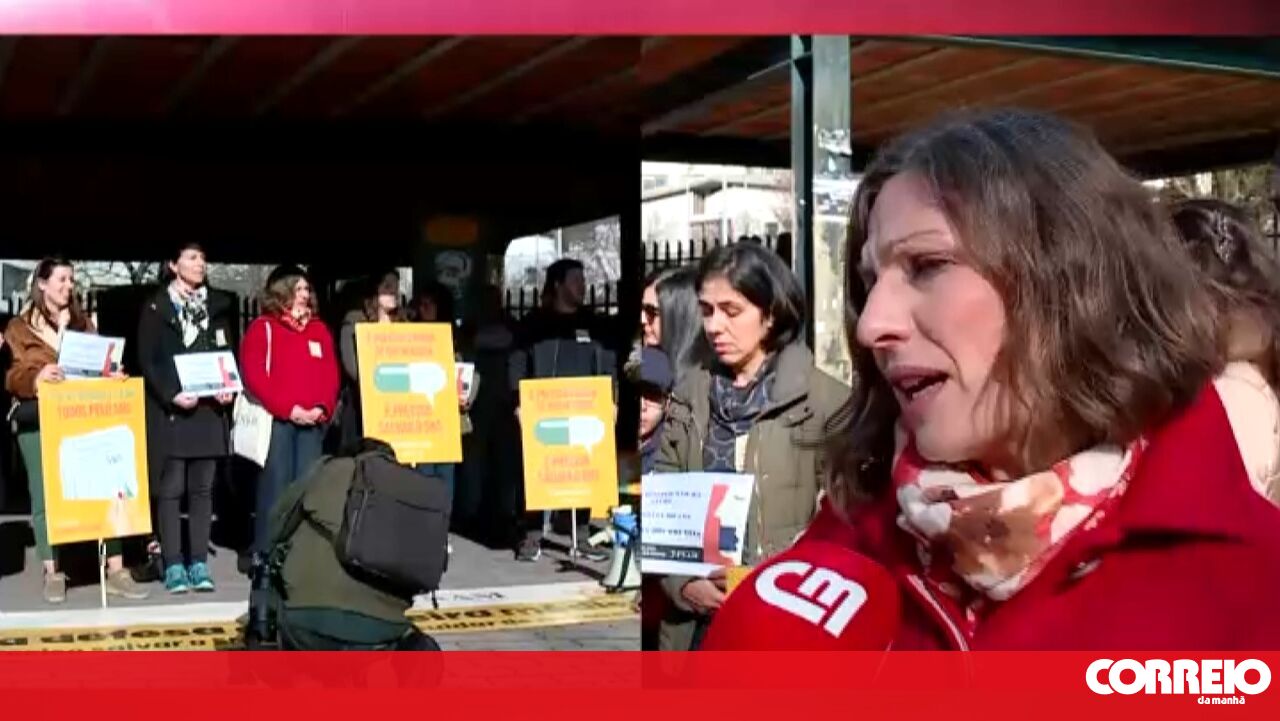
The company's position comes after the PCP reported that it had learned that workers of the Auchan group “had their right to holiday enhancement removed, as if it were absenteeism.”
Auchan guarantees to respect all holiday days of workers
Wednesday, 18 February 2026RSS

Context & Explainers

The Portuguese Communist Party (PCP or Partido Comunista Português) is a Marxist‑Leninist party founded in 1921 out of the revolutionary trade‑union and anarcho‑syndicalist movement, becoming the Portuguese section of the Comintern in 1923. Banned after the 1926 coup, it went underground and became a central force of resistance to the Estado Novo dictatorship, organizing clandestine unions, anti‑fascist struggle and supporting the colonial liberation movements. After the 1974 Carnation Revolution, the PCP was pivotal in land reform, nationalisations and embedding social rights in the 1976 Constitution, especially in the Alentejo and Setúbal regions where it has long been very strong.
Today the PCP is a smaller but still influential party rooted in the CGTP trade‑union confederation and local government, holding a handful of Assembly seats and one MEP in the Left group. It advocates a “patriotic and left‑wing alternative”: defence of workers’ rights, public services and national sovereignty, strong criticism of EU and NATO constraints, and support for socialist countries and anti‑imperialist causes.
A general strike is a coordinated, large-scale work stoppage across multiple sectors called by trade unions to press political or labour demands. The December 11, 2025 strike — the first in 13 years — disrupted transport, schools and many public services, and illustrated that strikes can cause major short-term interruptions while employees and public-service rules determine who can legally take part.
AI Summary AvailableAuchan vows to respect workers' holiday rightsRead the synthesized summary with context and explainers
View full article on Correio da Manhã