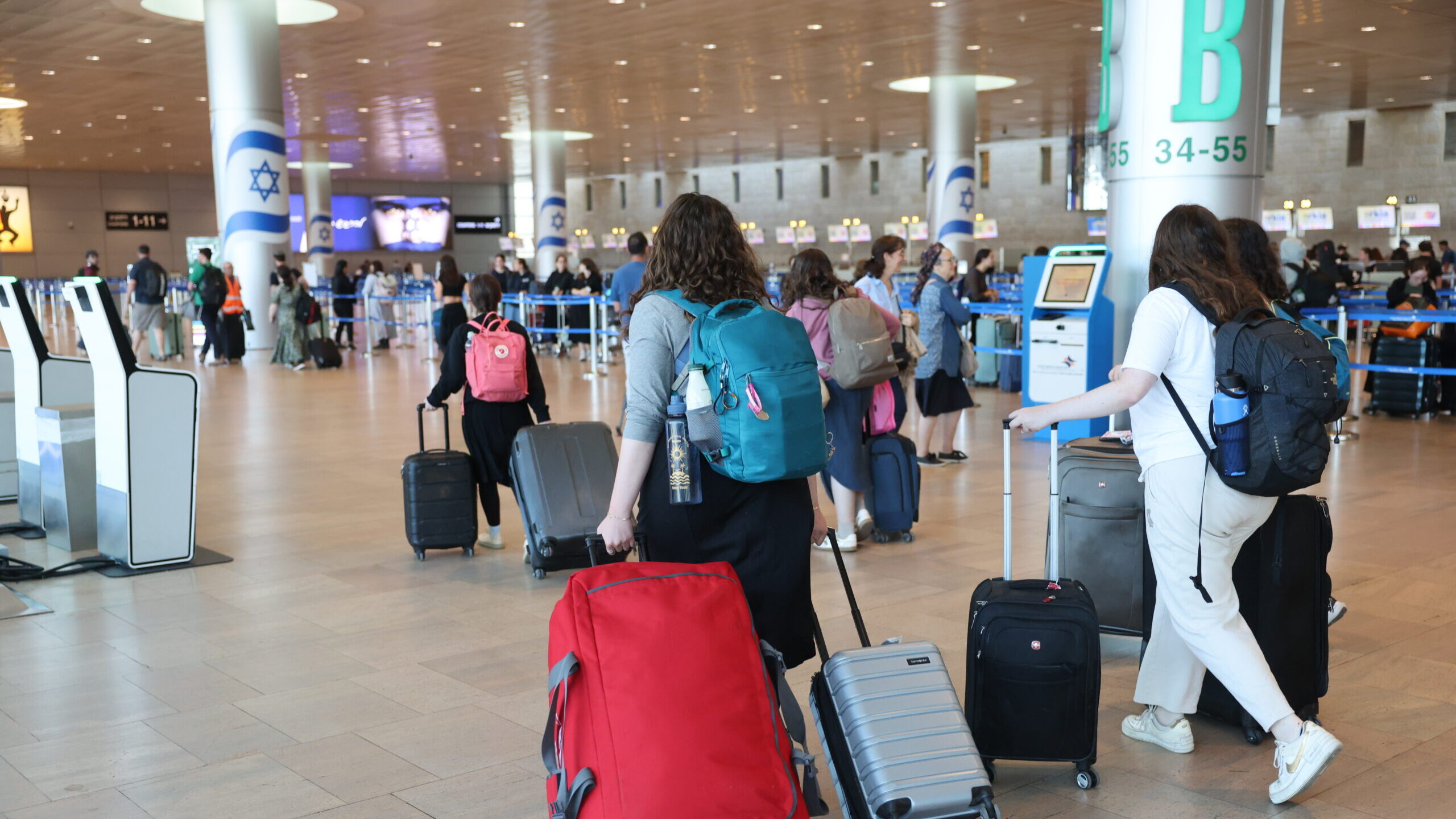
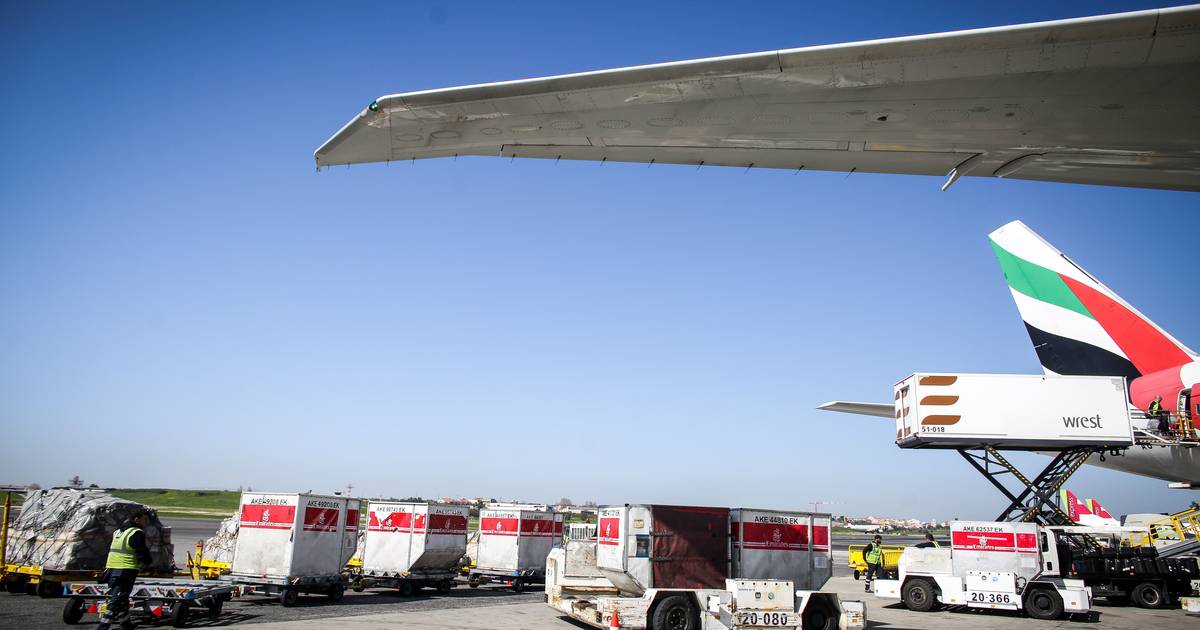
Spanish airlines have cancelled flights to and from Portugal, affecting many travellers.

Spanish airlines have cancelled flights to and from Portugal, affecting many travellers.
The President of Portugal (Presidente da República) is the head of state with mostly ceremonial duties but key powers such as vetoing legislation, appointing the prime minister and, in certain circumstances, dissolving parliament. For expats the president is important for national stability and international representation, though daily government policy is run by the prime minister.
Staffing and shift schedules in the SNS combine permanent doctors, residents and temporary cover (locums or overtime) arranged by each hospital's Clinical Directorate ("Direção Clínica"), which plans rotas to cover on‑call and emergency shifts. Rotas are subject to national labour rules, collective agreements and local shortages, so hospitals may use voluntary shift swaps, incentives or external contractors when regular staff are unavailable.
Banco de Portugal is Portugal’s central bank, founded in 1846, responsible for banking supervision, financial stability and representing Portugal within the European System of Central Banks. For expats, it matters because it regulates banks and financial resolutions, influences monetary and payment rules, and can be involved in legal disputes with international investors.
Portugal's president is elected by universal suffrage, requiring an absolute majority; if no candidate wins over 50% in the first round, a second round is held between the top two candidates. The president has important but limited powers — they represent the state internationally, appoint the prime minister, can veto legislation and dissolve parliament — while day‑to‑day government policy and foreign policy are led by the prime minister and ministers.
The president can shape the tone of Portugal's foreign policy through speeches, high‑profile meetings and formal powers like accrediting ambassadors, but executive responsibility for daily foreign policy lies with the government (prime minister and foreign minister). In practice the president's influence is political and moral rather than unilateral: strong statements can affect public debate and diplomatic signalling, but major policy shifts require government action or parliamentary support.