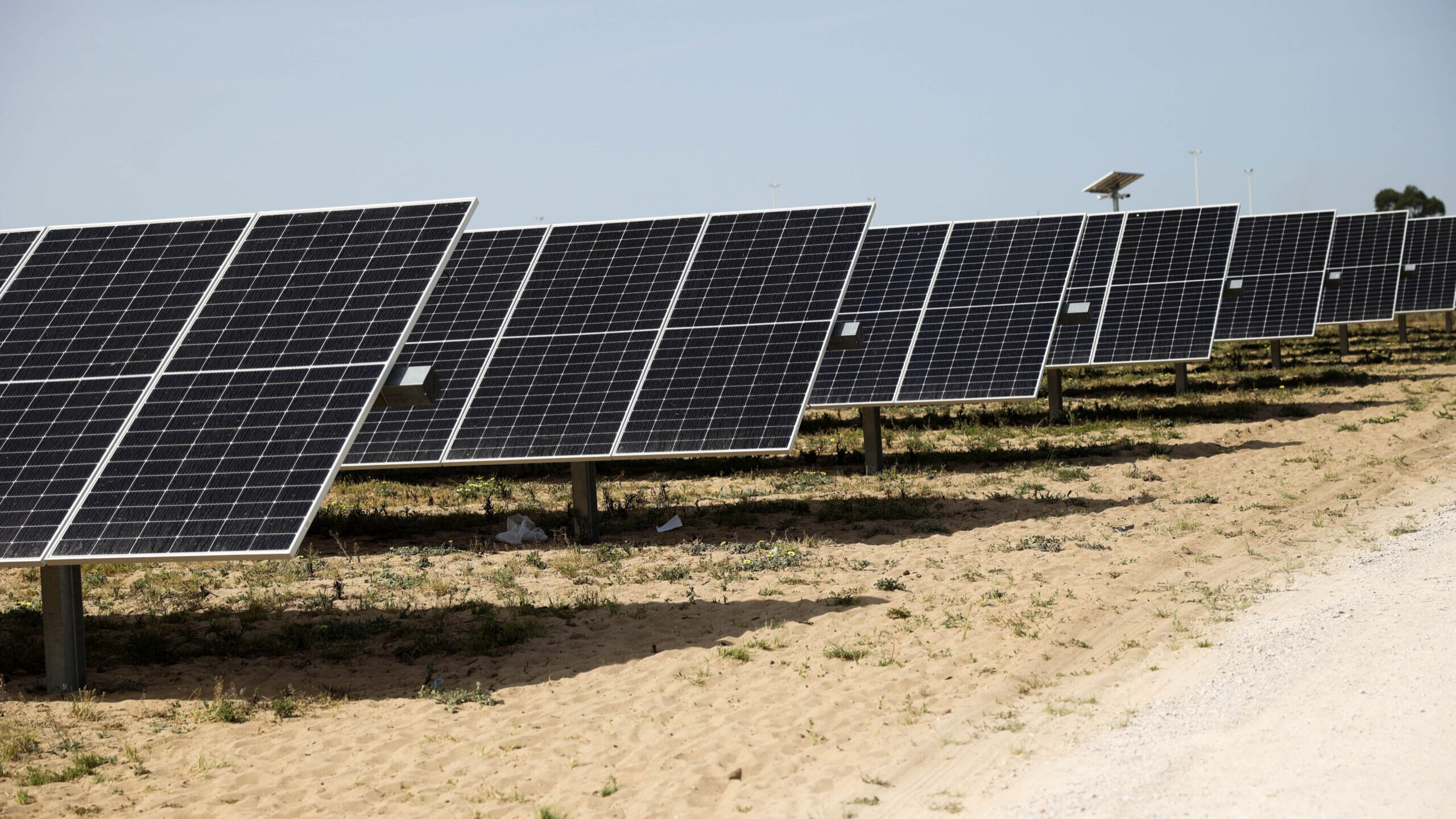
For a long time, climate and environmental risks were treated as externalities, separate from central state budgetary decisions. This approach is now outdated and financially dangerous, as evidenced by the estimated 5 billion euro cost of the storms in early 2026. The article argues that failing to integrate these risks into public spending, infrastructure planning, and national budgets constitutes financial mismanagement. It highlights the UK Parliament's Environmental Audit Committee inquiry into the Treasury's role in climate policy as a model, and discusses how 'green budgeting' and 'green budget tagging' in Portugal are essential steps toward aligning public policy with climate resilience and long-term fiscal stability.
The budgetary cost of ignoring climate risk – UK Parliament studies the issue
Monday, 27 April 2026RSS
Context & Explainers
Sustainability (sustentabilidade) means meeting present needs without reducing the ability of future generations to meet theirs, covering environmental, economic and social dimensions. For residents it affects local planning, jobs and services—look for municipal or company targets, timelines and measurable actions when assessing how sustainable a place or employer is.