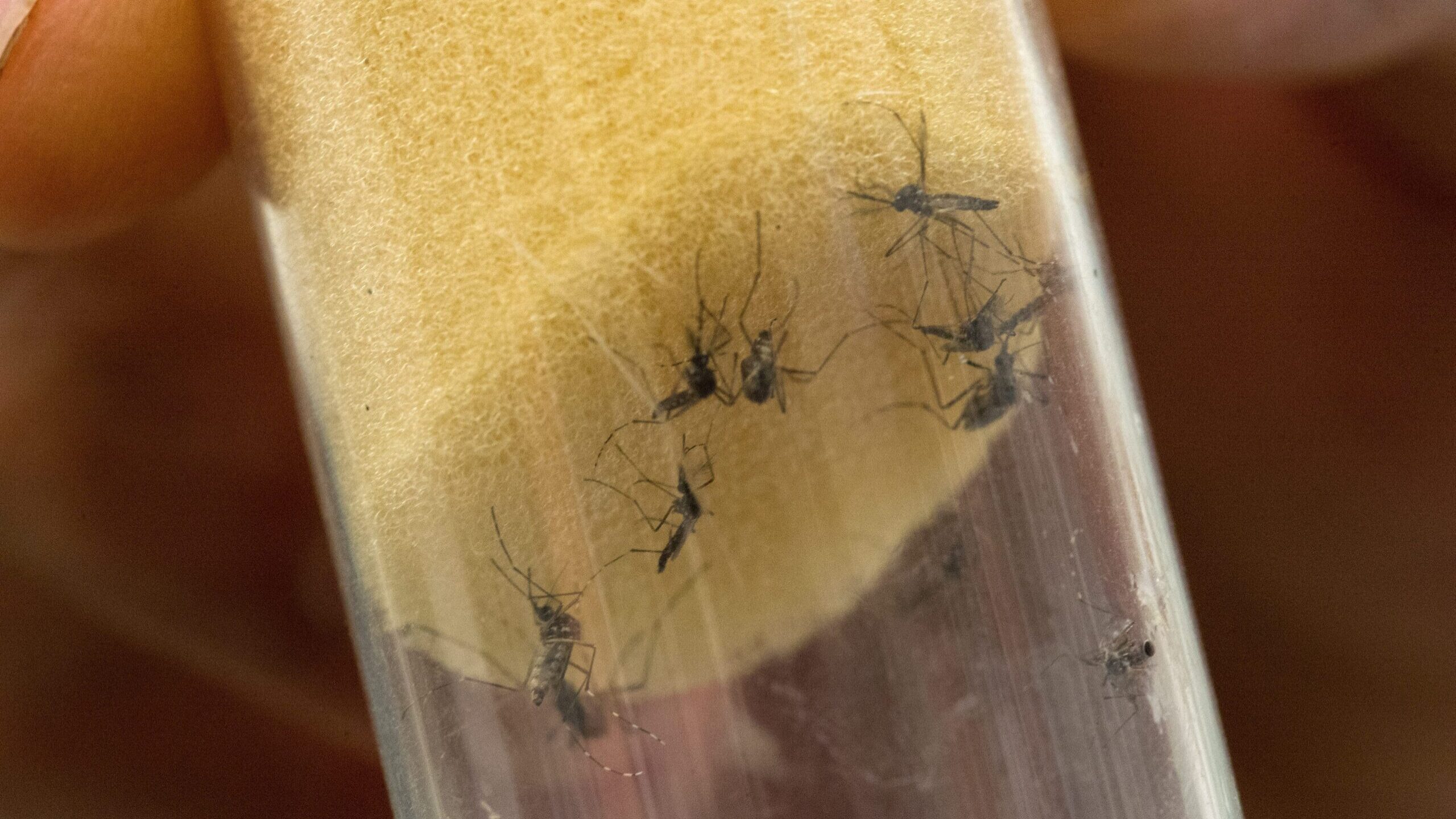
A British study published in the scientific journal The Royal Society has raised an alert for Portugal: the country is part of a geographical area conducive to chikungunya outbreaks, a viral disease transmitted by the Aedes aegypti and Aedes albopictus mosquitoes. The study points to rising average temperatures in southern Europe, which includes Portugal, Spain, Greece, and Italy, as a factor favouring the proliferation of mosquitoes. Rivaldo Venâncio, a researcher and infectious disease specialist at the Oswaldo Cruz Foundation, explains the relationship between heat and increased rainfall with the reproductive cycle of the vectors. Since 2025, Fiocruz has established a base in Lisbon and has intensified partnerships with Portuguese scientific institutions. The Radar DN Brasil airs every Friday at 8 am on DN Brasil's YouTube and Spotify channels, providing a weekly summary and everything of interest to Brazilians in Portugal. DN Brasil is a section of Diário de Notícias dedicated to the Brazilian community living or intending to live in Portugal. The texts are written in Brazilian Portuguese.
Fiocruz researcher explains alert about the risk of chikungunya outbreaks in Portugal and southern Europe
Sunday, 8 March 2026RSS

Context & Explainers
Chikungunya is a mosquito‑borne virus (carried mainly by Aedes species) that causes fever, joint pain and fatigue; most people recover but some have long-lasting joint problems. Warmer temperatures expand the habitat and season for the transmitting mosquitoes, so climate-driven warming can raise the risk of local transmission in parts of Europe and increase the chance of outbreaks.