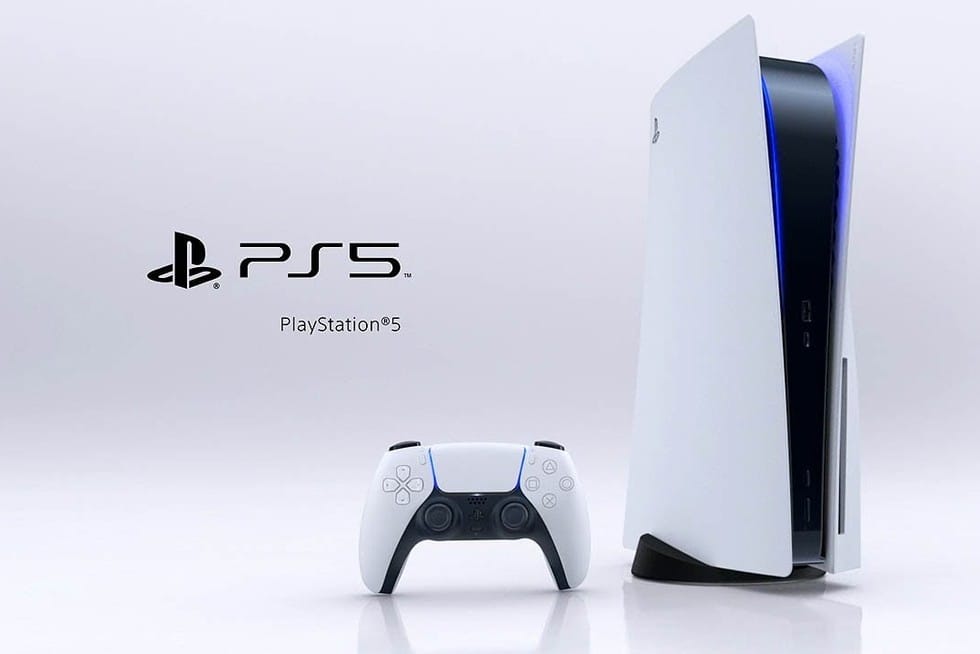
The gaming landscape in Portugal and worldwide faces an unusual change this Thursday, April 2, 2026: Sony Interactive Entertainment has implemented a widespread price increase across its entire PlayStation 5 hardware line. The hikes, reaching 100 euros on main models, caught many consumers by surprise. The price revision, effective at major national retailers, affects all tiers of the PS5 ecosystem. The standard console version (with disc drive) now has a list price of 649.99 euros, while the Digital Edition rises to 599.99 euros. The PS5 Pro—recently launched and already a subject of debate for its premium positioning—is now set at 899.99 euros. This is despite the fact that, at its core, it continues to use AMD's Zen 2 architecture, which originally hit the market in 2019. Even accessories were affected: the PlayStation Portal, a remote play device, sees its price updated to 249.99 euros. Experts analyze this decision as a drastic break from the industry's 'golden rule.' Historically, console prices decreased progressively throughout their lifecycle. However, Sony justifies this increase—the second in less than a year—with 'persistent global economic pressures.' Fan discontent is heightened by the fact that the console's core architecture is, in reality, old. In practice, Portuguese consumers are now being asked to pay a premium price for technology that, in 2026, is already seven years old. The 'perfect storm' in the supply chain is cited as the main culprit. The explosion of Artificial Intelligence has generated massive demand for memory chips, deprioritizing entertainment hardware production. Furthermore, the logistics crisis in helium supply—essential for semiconductor lithography—has inflated manufacturing costs to such an extent that the Japanese giant decided to pass the burden onto the final consumer.
PlayStation 5 price hike: 'old' technology becomes more expensive
Thursday, 2 April 2026RSS