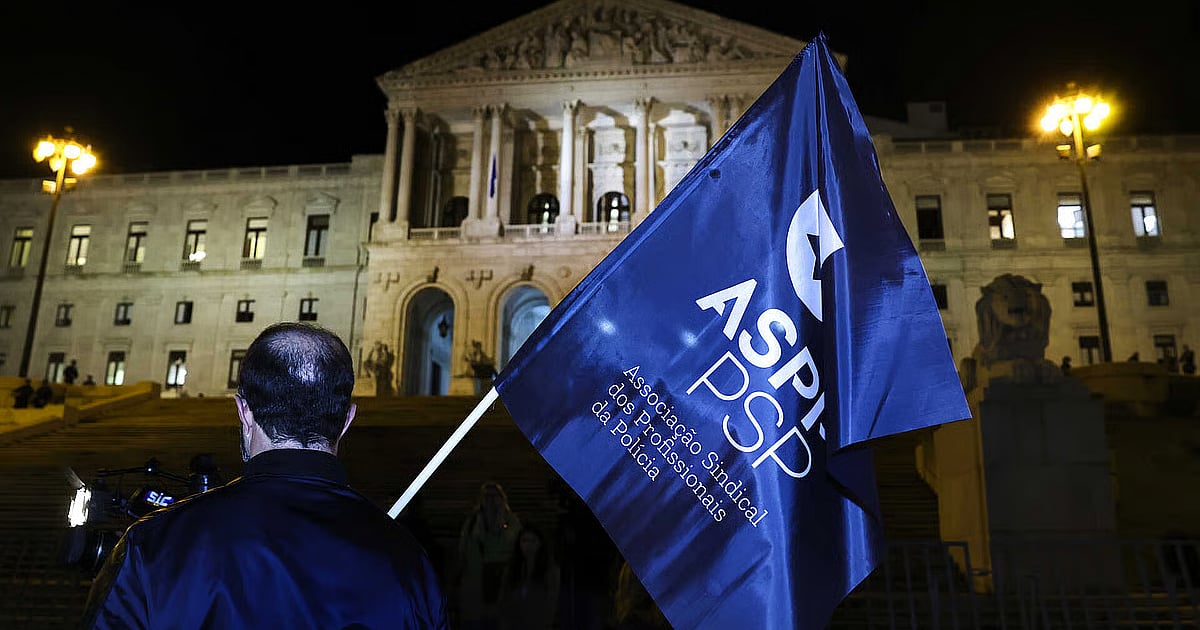
ECO outlines a government proposal to change the rules governing dismissals and layoffs, presenting seven key points about who would be affected, the timeline and legal implications. The reforms aim to clarify employer obligations, make some dismissals harder or more costly and adjust procedures for collective measures; trade unions, employers and HR departments can expect negotiations and possible legal challenges. Workers and employers should watch for the formal bill and guidance on collective dismissal (despedimento coletivo) procedures before changes come into force.
Government plans to reform dismissal and layoff rules
Sunday, 18 January 2026AI summary

Context & Explainers
Dismissal is the termination of an employment contract initiated by the employer, which can be for individual reasons (disciplinary or performance) or for economic/structural reasons. Proposed reforms to dismissal rules can change notice periods, severance entitlements and legal protections, so employees and employers should follow the timetable and check how any changes would affect rights and procedures.
A collective dismissal is when an employer terminates the contracts of multiple workers within a short period for economic, structural or operational reasons, and it typically triggers special procedures like consultation with workers or unions and notification to authorities. In practice this means affected employees gain extra protections and negotiation rights, so workers, unions and businesses should watch proposed rule changes that could alter thresholds or consultation requirements.